
Trace of the Villa — a premise-first guide for players who want story context without spoilers
Trace of the Villa drops you into Jin’s years-long hunt for a missing sister, a lead that culminates at a remote, deliberately forgotten mansion where manifests and encrypted fragments suggest the trail isn’t cold. If you prefer narrative curiosity served as environmental clues and slow-burn puzzles rather than upfront explanation, this Steam release (28 May, 2026) deserves a careful look.

Quick facts
| Title | Trace of the Villa |
|---|---|
| Release date | 28 May, 2026 |
| Developer / Publisher | Steadyturtle Co., Ltd. |
| Genres | Action, Adventure, Indie |
| Categories (selected) | Single-player; Color Alternatives; Custom Volume Controls; Playable without Timed Input; Subtitle Options; Family Sharing |
| Steam app | Trace of the Villa — store page |
Who is this for?
If you buy story by scent rather than exposition, Trace of the Villa is aimed at you. The premise centers on Jin’s personal investigation into a missing sibling; the playable experience advertised on Steam emphasizes uncovering manifests, encrypted documents, and financial trails inside an estate that feels “erased.” Players who value atmosphere, environmental storytelling, and clue-driven exploration over explicit narrative dumps will likely get the most out of this title. The Steam categories also indicate accessibility-friendly options (subtitles, color alternatives, no timed input), so slower, careful players aren’t penalized.
What the game is (without spoiling)
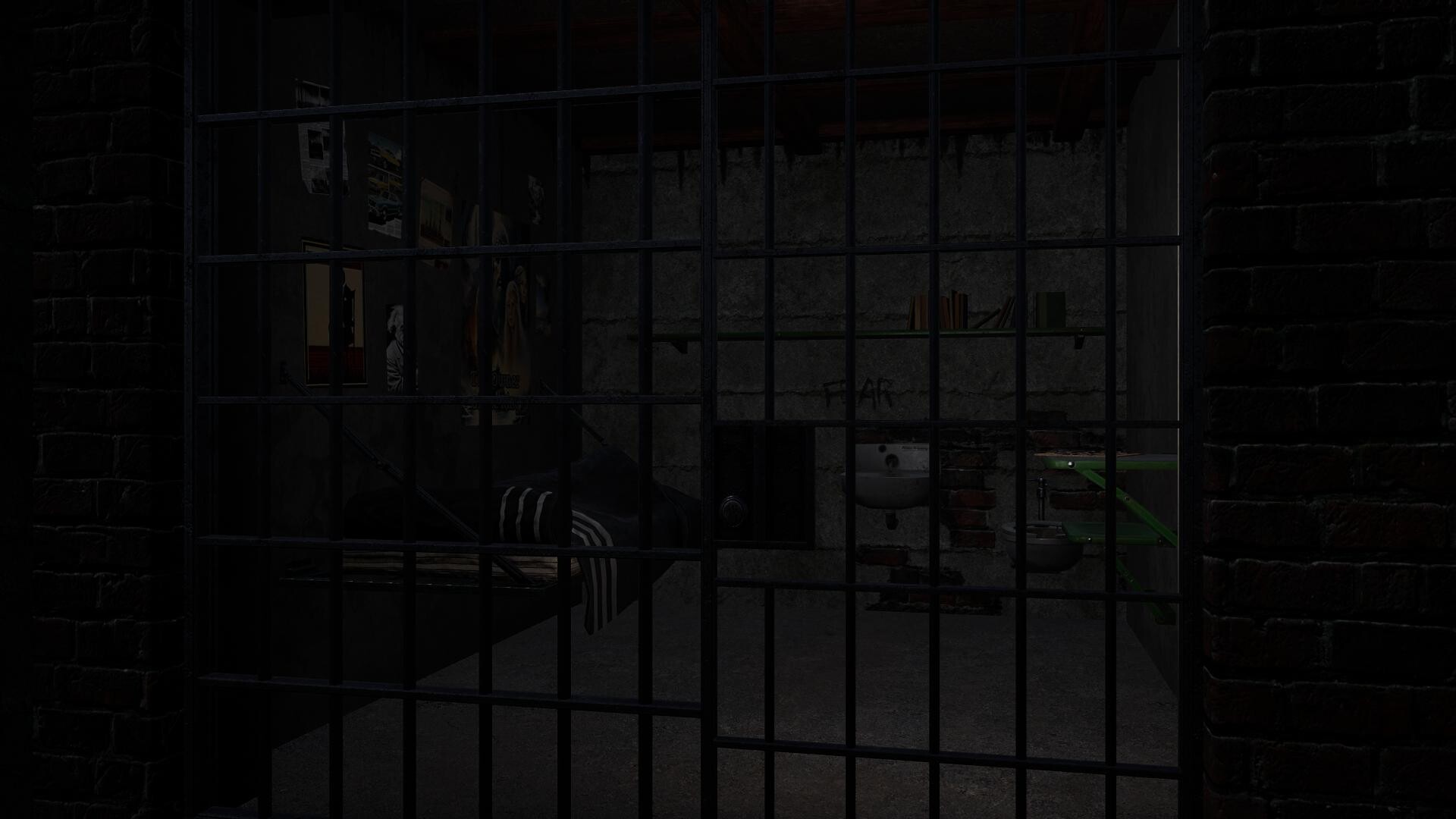
Official materials frame Trace of the Villa as an atmospheric action-adventure built around a psychological investigation. You arrive at a mansion cut off from the grid where rooms appear left mid-routine, identities have been stripped from records, and secured systems are still locked down. According to the official description, when Jin restores the estate’s power, systems come back online, hidden compartments open, and safes reveal encrypted fragments and suspicious transfer records — each find peels back another layer of a concealed operation. The tone suggested is slow-burn suspense: forensic, intimate, and focused on piecing together a timeline rather than delivering jump scares.
When and where
Trace of the Villa released on Steam on 28 May, 2026. It’s listed on Steam as an Action / Adventure / Indie title developed and published by Steadyturtle Co., Ltd. The store page contains multiple screenshots and a trailer discovery path (see the YouTube section below).

Why the premise matters
The official framing—Jin’s personal search that leads him to a deliberately forgotten property—sets expectations for a narrative structured as forensic archaeology. Rather than a straightforward chase or action thriller, the story context on Steam emphasises discovery: falsified identities, transfers and financial trails, and evidence of controlled movement through the property. That premise primes players for layered revelations; the emotional weight comes from connecting fragments of ordinary lives to a broader, concealed operation.
How you progress: clue-driven exploration, not spoilers
- Investigate rooms and restore systems: the official description notes that restoring power causes secured systems to come back online and hidden compartments to open.
- Collect manifests and documents: manifests, encrypted documents and suspicious transfer records are explicit plot devices in the Steam text.
- Piece together a timeline: as you solve puzzles and access safes, the game’s stated design unfolds more of the estate’s role in something larger — arrivals with no records, departures without witnesses.
- Pacing is investigative and methodical: official copy frames progress as iterative unmasking rather than constant action; Category tags indicate accessibility for players who prefer non-timed interactions.
Player scenarios — who should wishlist this
- You like atmospheric mystery adventures where the house itself is the primary storyteller: The estate’s staged rooms and erased records are core to the narrative engine.
- You prefer clue-driven puzzle hunts and timeline reconstruction: manifests, encrypted fragments, and financial traces are central to the mystery described on Steam.
- You value accessibility and a non‑punishing pace: Steam categories include Playable without Timed Input and Subtitle Options, accommodating careful players.
- You enjoy single-player narrative focus with environmental storytelling rather than multiplayer or mass-action mechanics: the game is listed as Single-player.
How it differs from nearby mystery / puzzle games
| Title | Atmosphere & Tone | Puzzle / Exploration Style | Player fit |
|---|---|---|---|
| Trace of the Villa | Slow-burn, forensic mansion mystery; identities and records stripped from places and people. | Clue-driven investigation: restoring systems, opening safes, decoding manifests. | Players who prefer environmental storytelling and careful timeline reconstruction. |
| Inscryption | Dark, claustrophobic; heavy psychological and meta-horror elements (card-based framing). | Combines deckbuilding, escape-room puzzles, and layered secrets; more game‑mechanic driven mysteries. | Players who like mechanic-forward storytelling and unsettling meta twists. |
| Outer Wilds | Curiosity-led, exploratory, cosmic mystery with an open-system world. | Open exploration and environmental clues across a solar system; emergent discovery. | Players who want freeform exploration and puzzle discovery across interconnected spaces. |
| The Forgotten City | Philosophical, narrative-forward mystery with time-loop mechanics and moral puzzles. | Dialogue and consequence-driven puzzles combined with exploration; narrative rules are central. | Players who enjoy moral reasoning, branching outcomes, and rule-based mysteries. |
| The Medium | Psychological horror with dual-reality exploration and mood-driven storytelling. | Puzzles that use the dual-reality mechanic; atmosphere and psychological tension are key. | Players who enjoy psychological themes and parallel-realm puzzle design. |
Deciding factors before wishing or buying
- Do you want an investigation that rewards patience? The Steam text points to iterative discovery through restored systems and documents.
- Are you attracted to environmental clues over explicit narration? Rooms “frozen” mid-routine and missing records are core motifs.
- Is single-player, accessibility-friendly pacing important? The store listing includes categories that support that preference.
Trailer and gameplay discovery
For trailer and gameplay clips, use this YouTube search path (search results may include official and fan uploads): https://www.youtube.com/results?search_query=Trace+of+the+Villa+trailer+gameplay
Leave a Reply