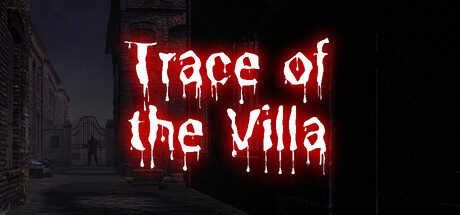
Trace of the Villa — the psychology of an empty mansion and why quiet dread matters
Trace of the Villa is a slow-burn, clue-driven exploration set inside a remote, decaying mansion where Jin searches for his missing sister. Released on 28 May, 2026 by Steadyturtle Co., Ltd., the game leans into environmental storytelling and uncertainty rather than jump scares to build psychological tension.

What it is
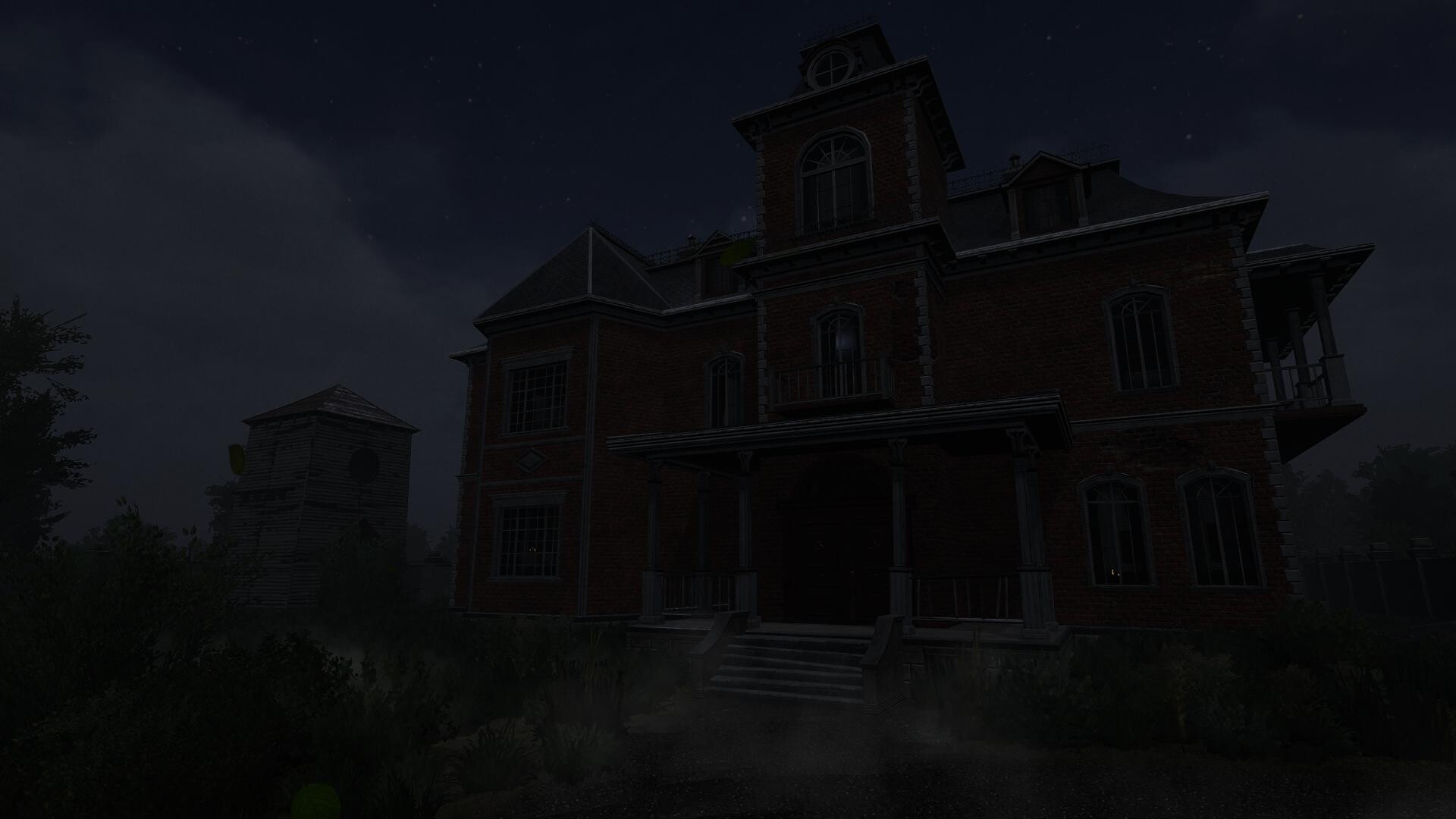
Trace of the Villa is an Action / Adventure indie on Steam described on its store page as a narrative about Jin’s long search for his missing sister. The protagonist follows a lead to a property “cut off from the grid and deliberately forgotten.” The mansion’s rooms feel “less abandoned than erased”: furnished, personal items left in place, but crucially lacking names, photographs and clear histories. As power is restored, secured systems, hidden compartments and safes reveal encrypted documents and suspicious transfer records; each solved puzzle peels back another layer of a concealed operation.
Who it is for
This is for players who prefer slow-burn suspense, environmental mystery, and clue-led investigation over adrenaline-focused horror. Specifically:
- Players who enjoy atmospheric mystery adventure and piecing together story from environmental detail.
- Fans of narrative puzzle design where progress follows discovery—restoring systems, unlocking compartments, deciphering documents.
- Those who value psychological tension and uncertainty—an empty mansion framed as an investigative space rather than a populated threat.
When and where
Trace of the Villa is available on Steam (release date: 28 May, 2026). The store page lists Steadyturtle Co., Ltd. as both developer and publisher and identifies the title’s genres as Action, Adventure, Indie. Categories include Single-player, Color Alternatives, Custom Volume Controls, Playable without Timed Input, Subtitle Options, and Family Sharing.
Why quiet dread and uncertainty matter here
Psychological horror often trades in the unseen: the mind completes what the game withholds. In Trace of the Villa, the emptiness is the engine of unease. Rooms that feel “erased” invite players to imagine histories and motives; the absence of photographs or names actively frustrates closure and forces interpretation. That unresolved space—rather than a sudden fright—keeps tension taut, turning every creak, flipped switch, or unlocked drawer into a narrative event.
Such design rewards patience and attention. When the player restores power and systems return online, the change in the house’s behavior reframes earlier observations. Quiet dread is cumulative: a single, small discovery can retroactively alter the meaning of dozens of inert details.
How you read clues and progress
The store description outlines a clear investigative loop: explore rooms that appear frozen in time, restore power to the estate, and watch secured systems and hidden compartments begin to respond. Safes and locked elements yield fragments—encrypted documents and transfer records—that point to larger patterns: falsified identities, arrivals without records, departures without witnesses. Each solved puzzle uncovers more evidence of a controlled operation, so progression is driven by piecing together administrative traces and physical artifacts rather than combat or timed reflexes.
Player scenarios: who should wishlist it
- If you enjoy methodical exploration and feel rewarded by reconstructing an absent past from scattered documents and objects, wishlist this.
- If you prefer narrative puzzle design that emphasizes atmosphere, pacing, and the slow accrual of dread rather than jump scares, this fits your shelf.
- If you want a single-player experience with subtitle options, custom volume controls, and no required timed input, Trace of the Villa lists those accessibility-oriented categories on Steam.
- If you expect constant, high-octane action or multiplayer frights, this title’s investigative slow-burn may not match your tastes.
Facts at a glance
| Title | Trace of the Villa |
|---|---|
| Developer / Publisher | Steadyturtle Co., Ltd. |
| Release Date | 28 May, 2026 |
| Genres | Action, Adventure, Indie |
| Steam Categories | Single-player; Color Alternatives; Custom Volume Controls; Playable without Timed Input; Subtitle Options; Family Sharing |
| Premise | Jin investigates a cut-off, decaying mansion for clues about his missing sister; restoring power reveals locked systems, hidden compartments and evidence of a concealed operation. |
How it compares — quiet tension vs other psychological mystery titles
Below is an editorial comparison on lawful criteria: genre, atmosphere, puzzle/exploration focus, story tone and pacing. These comparisons are for discovery purposes only.
| Title | Similarities | Key difference | Who it might suit |
|---|---|---|---|
| Amnesia: The Dark Descent (2010) | Both prioritize immersion and discovery; strong focus on psychological dread. | Amnesia is framed as first-person survival horror with direct survival mechanics and a focus on immediate fear; Trace of the Villa emphasizes clue-driven investigation in an erased household context. | Players who like immersive, discovery-led horror but want a more investigative, less survival-driven pace may prefer Trace of the Villa. |
| SOMA (2015) | Both build existential unease and use setting to question identity and purpose. | SOMA is sci-fi and set under the ocean with a technology/philosophy angle; Trace of the Villa is a mansion mystery rooted in missing people and falsified identities. | Fans of story-rich, thoughtful horror with slower pacing will find editorial overlap; setting and themes differ strongly. |
| Layers of Fear (2016) | Shared emphasis on a mansion-like setting and atmosphere, with storytelling through environment. | Layers of Fear uses an ever-shifting Victorian interior to reflect subjective madness; Trace of the Villa presents an estate that feels erased and focuses on reconstructing real-world traces (documents, systems). | Players who prefer psychological atmosphere and mansion mysteries will see kinship, but Trace of the Villa leans more on investigative evidence than surreal shifts. |
| Poppy Playtime (2021) | Both are horror-adjacent and involve puzzle elements inside an abandoned facility. | Poppy Playtime foregrounds toy-based threats and gadget mechanics; Trace of the Villa foregrounds administrative traces, locked systems and the slow return of evidence. | Those who want a quieter, document-led mystery over toy-antagonist encounters should consider Trace of the Villa. |

YouTube discovery
If you want to search for trailers or gameplay clips, use this YouTube search path (search results may include community uploads): Trace of the Villa trailer / gameplay (YouTube search).
View Trace of the Villa on Steam
Leave a Reply