
Trace of the Villa — a slow-burn mansion mystery for locked‑room puzzle players
Trace of the Villa puts you in the shoes of Jin, a lone investigator whose years-long search for a missing sister leads to a remote, deliberately forgotten mansion. Released on 28 May, 2026 by Steadyturtle Co., Ltd., the game pairs environmental storytelling with clue-driven puzzles and a methodical, investigative pace.

| Title | Trace of the Villa |
|---|---|
| Release date | 28 May, 2026 |
| Developer / Publisher | Steadyturtle Co., Ltd. |
| Steam AppID | 3483660 |
| Genres | Action, Adventure, Indie |
| Key categories / features | Single-player; Color Alternatives; Custom Volume Controls; Playable without Timed Input; Subtitle Options; Family Sharing |
| Official short premise | “Jin has spent years searching for his missing sister… a remote, decaying mansion where he recovered manifests and hints that indicate his sister may still be alive.” |
Who this is for
If you prefer methodical, story-rich PC mystery games that reward observation over twitch reactions, Trace of the Villa is aimed at you. The Steam categories list it as single-player and explicitly “Playable without Timed Input,” so it’s pitched toward players who like to read spaces and follow chainable clues at their own pace rather than fast reflex puzzles or competitive multiplayer sessions.
What the game actually is
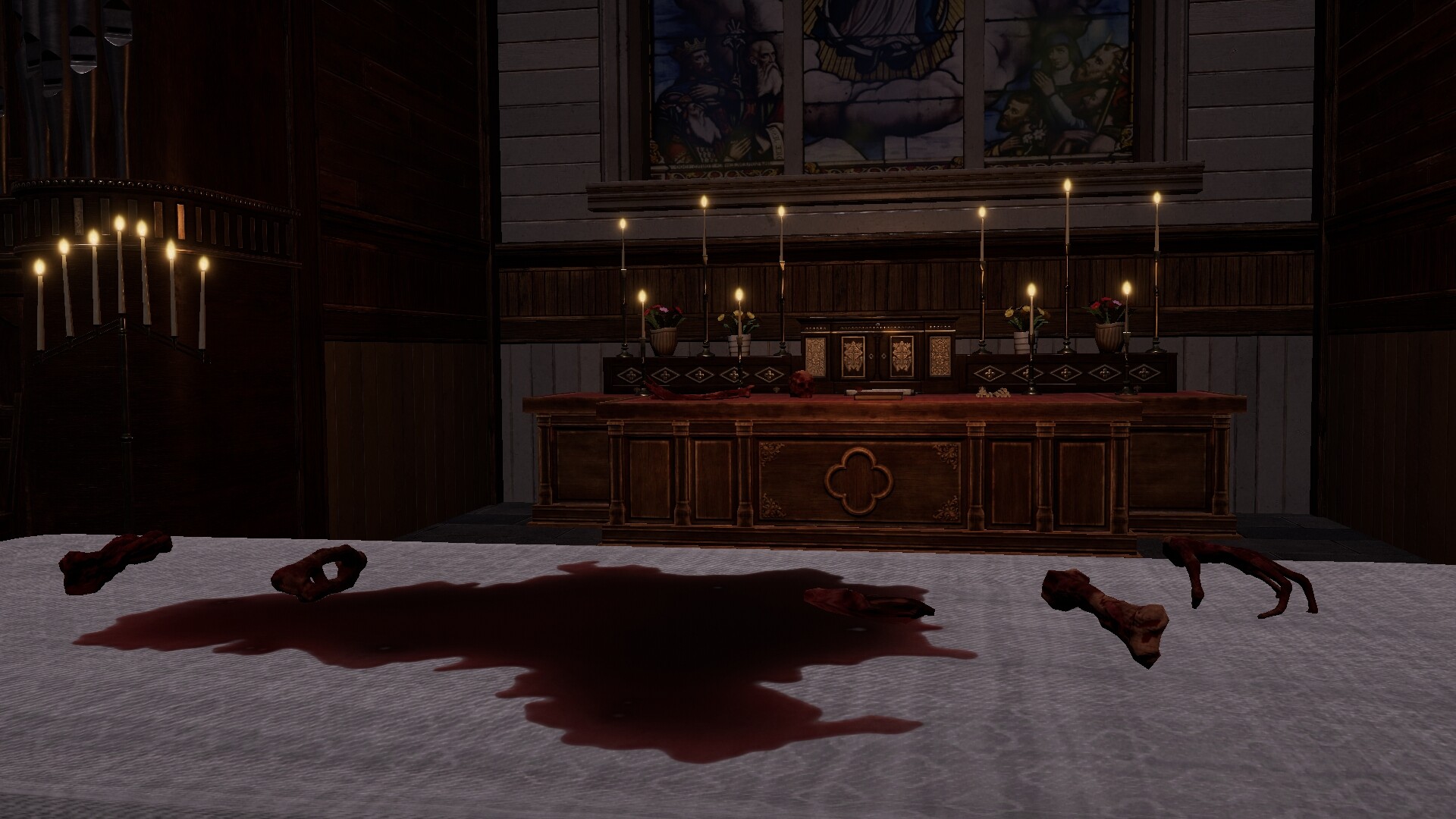
Trace of the Villa is framed as an atmospheric investigation: Jin enters a cut‑off mansion where rooms appear to have been left mid‑routine and identities seem to have been erased. According to the official description, restoring power is an investigative mechanic — secured systems come back online, hidden compartments unlock, and safes yield fragments of encrypted documents and suspicious transfer records. Those revealed artifacts form chains of evidence that feed the narrative and push you to the next area.

When and where
Trace of the Villa launched on Steam on 28 May, 2026. It is a PC/Steam release (see the Steam store entry for platform details) developed and published by Steadyturtle Co., Ltd.
Why the mansion setup matters — locked‑room thinking and environmental reading
The mansion framework is not just a backdrop; it structures the way investigation unfolds. The official text emphasizes rooms “furnished as if their occupants vanished mid‑routine” and “locked doors conceal hastily secured secrets.” That design impulse encourages players to treat each room as a forensic scene: every object placement, missing photograph, or locked safe is potentially a clue in a chain. Restoring power as a gameplay pivot turns environmental reading into active discovery — what was inert becomes evidence. For players who enjoy piecing together timelines from fragments, that approach delivers slow‑burn suspense rather than headline jumpscares.
How you progress: clues, chains, and systems
Based on the official description, progression in Trace of the Villa mixes three readable systems:
- Environmental evidence: rooms and personal effects that imply absences and edited identities.
- Locked systems that react when power is restored, exposing hidden compartments and documents.
- Fragmentary records — encrypted documents and suspect financial transfers — that link rooms and timelines into a broader conspiracy.
That chain-based structure rewards players who methodically catalog what they find and follow up on one discovery with another, rather than relying on trial-and-error item mixing. The “Playable without Timed Input” tag also suggests the pacing favors contemplation and deduction.
How Trace of the Villa fits versus nearby mystery/puzzle games
| Title | Genres / Focus | Atmosphere & Puzzle Style | Exploration & Pacing |
|---|---|---|---|
| Trace of the Villa | Action, Adventure, Indie | Mansion mystery; environmental storytelling; chainable investigative puzzles revealed by restoring systems. | Slow, forensic; single-player, non-timed investigations. |
| The Room | Adventure, Indie | Locked-chamber mechanical puzzles centered on a cast-iron safe and ornate devices (puzzle-box feel). | Focused, puzzle-box experience; tightly structured rooms and puzzle sequences. |
| The Room Two | Adventure, Indie | Similar mechanical puzzle focus in atmospheric, isolated locations (crypt/halls) with progressive puzzle complexity. | Linear, event-to-event pacing that emphasizes tactile object puzzles. |
| Escape Simulator | Adventure, Casual, Indie, Simulation | Highly interactive escape-room gameplay; physics interactions, movable objects; community-made rooms available. | Variable — can be fast and chaotic, supports solo or online co-op and workshop content for replayability. |
| Hi‑Fi RUSH | Action | Beat-driven action, music-synced combat and pacing — included here as contrast rather than a puzzle analog. | Fast, rhythm-focused; not centered on environmental puzzle investigation. |
In short: if you want the hands-on mechanical puzzle-box feel of The Room series, expect that kind of concentrated puzzle design there; if you want high-interaction escape rooms including multiplayer and level editors, Escape Simulator is the comparison; Trace of the Villa sits between those poles as a narrative-led mansion investigation that rewards reading space and following data fragments rather than physics-based object juggling or rhythm action.
Player scenarios — decide whether to wishlist
- Steam page
View Trace of the Villa on Steam
YouTube discovery
For trailer and gameplay discovery, use YouTube search rather than relying on unverified embeds: Find Trace of the Villa trailer and gameplay searches on YouTube.
Leave a Reply