
Trace of the Villa — puzzles as evidence in a decaying mansion mystery
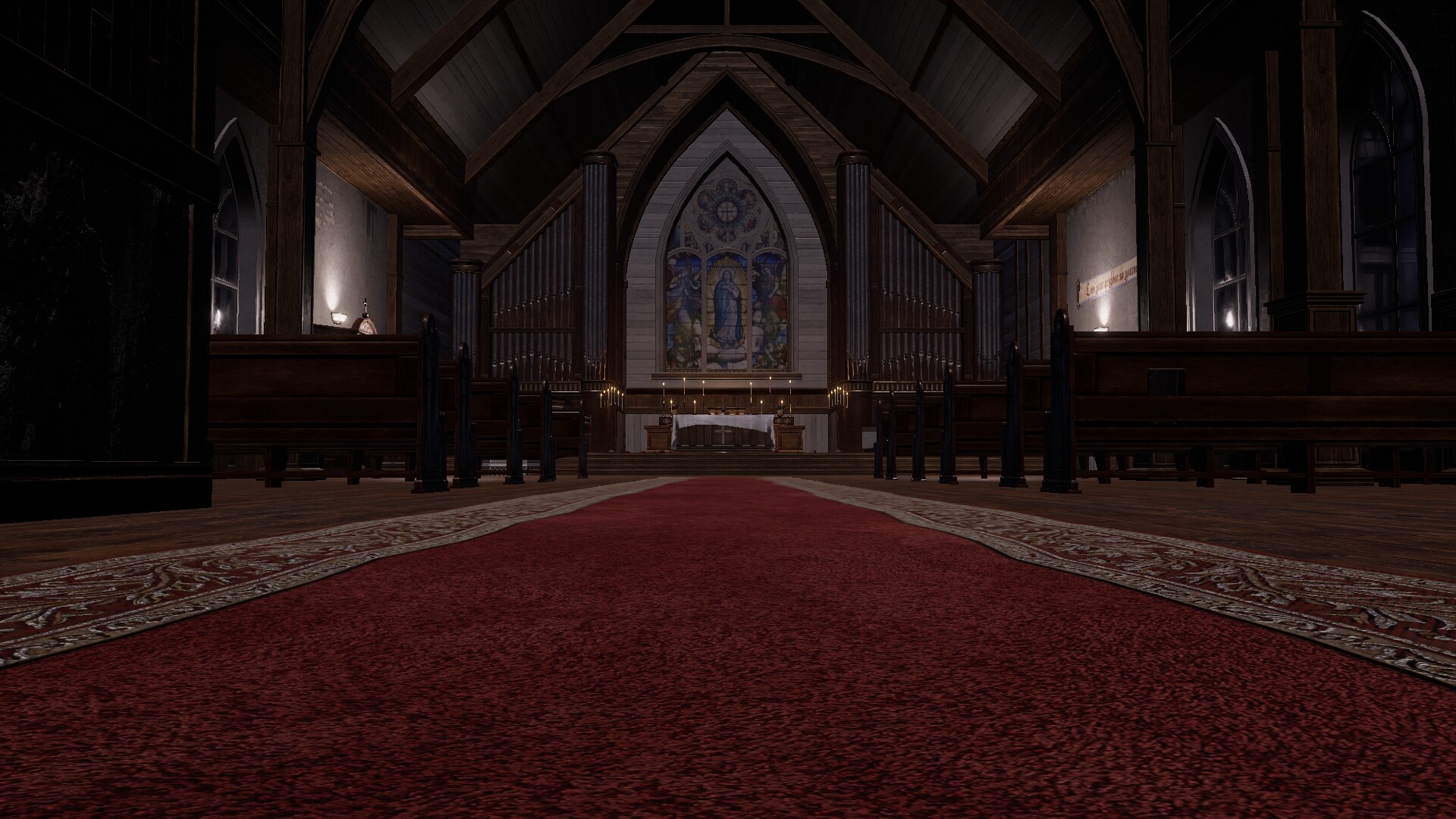
Trace of the Villa frames its puzzles as pieces of evidence: restoring power, unlocking safes and reading manifests gradually reconstruct the timeline of a house that seems to have had its occupants erased. If you prize environmental storytelling and clue-driven investigation over combat spectacle, this May 28, 2026 release is explicitly aimed at methodical, story-first players.

| Title | Trace of the Villa |
| Developer / Publisher | Steadyturtle Co., Ltd. |
| Release date | 28 May, 2026 (Steam / PC) |
| Genres | Action, Adventure, Indie |
| Notable Steam categories | Single-player; Playable without Timed Input; Subtitle Options; Color Alternatives |
| Steam page | store.steampowered.com/app/3483660/Trace_of_the_Villa |
Who should wishlist it
Players who enjoy atmospheric mystery adventure and slow-burn suspense built from environmental detail: those who want to read documents, trace financial and identity anomalies, and let puzzles unspool a human story. Single-player-focused PC players who prefer subtitle options and no-timed-input puzzle pacing will find the presentation aligned with their habits.
What the game is
According to the official Steam description, Trace of the Villa follows Jin, who has spent years searching for his missing sister and follows a lead to a remote, decaying mansion. The house feels “less abandoned than erased”: furnished rooms frozen mid-routine, locked doors, and missing names or photographs. Restoring power and opening secured systems reveals encrypted documents, suspicious transfer records, and fragments that suggest the property was part of a larger, concealed operation.
When and where
Trace of the Villa released on Steam on 28 May, 2026. The Steam page lists developer and publisher as Steadyturtle Co., Ltd., and the store presence includes accessibility and comfort options such as Color Alternatives, Custom Volume Controls, Subtitle Options, and the ability to play without timed input.
Why the theme matters: puzzles as evidence
Where many puzzle adventures layer puzzles on a scenic backdrop, Trace of the Villa treats puzzles as primary evidence: safes, encrypted manifests and restored systems are not just obstacles but fragments that reconstitute identity and motive. That approach changes puzzle reading from pattern recognition to evidentiary reasoning — you’re assembling provenance and timeline, not just solving discrete riddles.
How you read clues and progress
Steam copy highlights concrete systems a player will engage with: restoring power to bring rooms and devices back online, finding hidden compartments, and extracting encrypted documents and transfer records from safes. Those elements suggest a progression loop where mechanical interaction (switches, safes, systems) yields textual and visual artifacts that reframe prior spaces. Combined with the listed categories—single-player, subtitles, and no-timed-input—the game appears focused on measured exploration and careful note-taking rather than twitch or reflex challenges.

Player scenarios — who will get the most from Trace of the Villa
- The investigative player: You enjoy reading manifests, cross-referencing documents, and letting the story emerge through found evidence rather than cutscenes.
- The atmospheric explorer: You prefer slow-burn mansion mysteries with environmental storytelling and accessibility options like subtitles and color alternatives.
- The puzzle-minded narrator: You like puzzles that alter your understanding of characters and motive—safes and encrypted records that change the timeline.
- Who might skip it: Players looking for multiplayer, heavy action combat, or short-form arcadey puzzles; Trace of the Villa is positioned as a single-player narrative-adventure experience.
How it compares — brief editorial table
| Title | Puzzle focus | Atmosphere / tone | Player fit |
|---|---|---|---|
| The Room (2014) | Mechanical, object-based safes and tactile puzzles | Sealed, tactile mystery with a curious, intimate tension | Players who favor tactile puzzle boxes and short, focused chapters |
| The Room Two (2016) | Expanded mechanical puzzles with broader locales | Broader, cryptic atmosphere; paced similarly to The Room | Fans of puzzle-box progression and layered mystery |
| Escape Simulator (2021) | Highly interactive escape-room puzzles; physics and object manipulation | Bright, cooperative or solo puzzle rooms; less emphasis on narrative | Players who enjoy hands-on object interaction and community-made rooms |
| Unpacking (2021) | Domestic, object-based inference — items as narrative clues |
YouTube discoveryFor trailer and gameplay discovery, use YouTube search rather than relying on unverified embeds: Find Trace of the Villa trailer and gameplay searches on YouTube. Reader decision checklistUse this checklist before deciding whether Trace of the Villa belongs on your Steam wishlist. The game is most relevant if you enjoy reading environmental evidence, following document trails, inspecting rooms for small inconsistencies, and letting a mystery unfold through objects rather than exposition. It is less about instant spectacle and more about the slow pressure of a place that seems to have been deliberately erased. SEO note for discovery-minded playersPlayers searching for atmospheric mystery adventure, clue-driven exploration, mansion mystery game, story-rich indie adventure, psychological investigation game, or narrative puzzle design are likely looking for the same core appeal: a PC game where the setting is not just a backdrop but the main source of evidence. Trace of the Villa fits that search intent because its official Steam premise centers on Jin, his missing sister, a remote mansion, restored systems, hidden compartments, safes, encrypted documents, and a trail of suspicious records. Final player-fit summaryWishlist Trace of the Villa if you want a slow investigation built around official Steam store elements: a 28 May, 2026 release from Steadyturtle Co., Ltd., a single-player PC/Steam mystery structure, official screenshots showing the mansion atmosphere, and a premise that uses the house itself as a puzzle box. The strongest fit is for players who prefer patience, observation, and narrative reconstruction over fast combat or loud horror beats. CommentsMore posts |
Leave a Reply