
Trace of the Villa — an atmospheric, clue-driven mansion mystery on Steam
Trace of the Villa places you in the shoes of Jin, a man following a cold trail into a remote, deliberately forgotten mansion where restoring power is the first step toward uncovering concealed systems, safes and encrypted documents. The game leans on environmental reading, locked-room thinking and sequential clue chains as the primary tools for discovery.

Quick facts
| Title | Trace of the Villa |
|---|---|
| Steam appid | 3483660 |
| Release date | 28 May, 2026 |
| Developer / Publisher | Steadyturtle Co., Ltd. |
| Genres | Action, Adventure, Indie |
| Steam categories | Single-player; Color Alternatives; Custom Volume Controls; Playable without Timed Input; Subtitle Options; Family Sharing |
| Official short description | Jin has spent years searching for his missing sister, pursuing leads that took him to a remote, decaying mansion where he recovered manifests and hints that indicate his sister may still be alive, somewhere at the end of the trail he is about to follow. |
Who is Trace of the Villa for?
If you favour slow-burn suspense, investigative pacing and environmental storytelling — players who treat rooms like case files — this is pitched at you. The Steam tags and categories emphasize single-player, accessibility options (color alternatives, subtitling) and “Playable without Timed Input,” which signals a puzzle-forward, patient experience rather than twitch-heavy action. It’s suited to players who enjoy reading objects, mapping clue chains, and restoring systems to unlock further investigation.
What the game is (and what to expect)
Official store text frames Trace of the Villa as a narrative puzzle adventure: Jin finds a decaying mansion cut off from the grid and begins restoring the estate’s power, which in turn reactivates secured systems and reveals hidden compartments. The house yields safes, fragments of encrypted documents and suspicious transfer records that point toward falsified identities and controlled movements — evidence of a larger, concealed operation. Expect a mystery that leans on physics of access (power, locks, safes) and document fragments rather than fast combat or repeated boss encounters.
When and where
Trace of the Villa launched on Steam on 28 May, 2026. It is a Steam/PC release listed under the Steam appid 3483660 and uses typical Steam store features such as single-player support and family sharing as listed on the store page.
Why the theme matters — locked-room thinking and systems as narrative tools
The central motif — a house that has been “erased” rather than simply abandoned — makes power and systems a storytelling device. Restoring electricity doesn’t just light rooms; it reanimates identity and bureaucracy: secured systems come online, safes release fragments, and transfer records reassemble a financial trail. That mechanic ties puzzle solving directly to narrative progress: each operational system you restore is both a gameplay key and a thematic reveal about how this place functioned and who it controlled.
How you read clues and progress
According to the official description, progress in Trace of the Villa hinges on three interlocking strands:
- Power and systems: Bringing the estate back online reactivates sealed mechanisms and exposes new investigative paths.
- Safes and locked compartments: Physical locks and safes yield fragments of encrypted documents and transaction records — puzzle items that must be assembled into meaning.
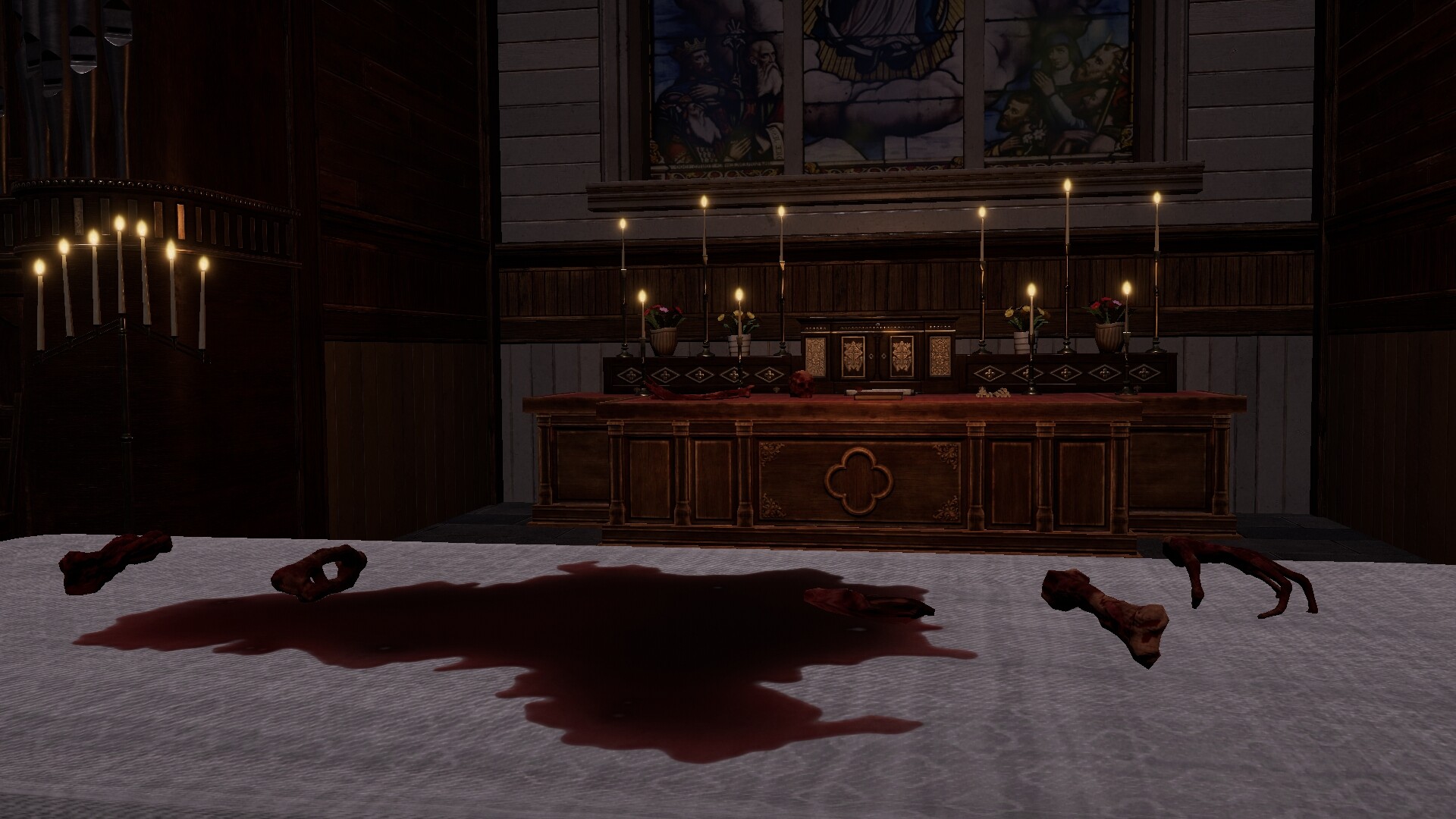
- Environmental reading: Furnishings left mid-routine and selectively removed personal markers (no photographs, no names) invite players to infer timelines and motives from absence as much as presence.

Player scenarios — who will get the most from this?
- The evidence-collector: You enjoy cataloguing documents, cross-referencing manifests and tracing false identities. The safes and encrypted fragments are the kind of mechanical rewards you value.
- The atmospheric explorer: You prioritize mood and environment — reading absence and mise-en-scène to assemble story. The mansion’s furnished-but-erased rooms feed that appetite.
- The methodical puzzler: If you like incremental unlocks driven by restoring systems (power, locks, secured terminals) and prefer puzzles without timed pressure, the Steam category “Playable without Timed Input” suggests a good fit.
How it compares — short editorial table
Below is a compact editorial comparison with a few related mystery and puzzle titles. Criteria are genre, puzzle focus, exploration style, tone and player fit. This is an editorial discovery comparison based on public store descriptions and categories.
| Title | Genre / Key features | Puzzle focus | Exploration style | Tone / Pacing | Player fit |
|---|---|---|---|---|---|
| Trace of the Villa | Action / Adventure / Indie — Single-player; accessibility options; no timed input | Restoring power, unlocking safes, reconstructing encrypted documents | Slow, environmental; rooms as narrative nodes | Atmospheric, investigative, slow-burn | Players who prefer methodical clue chains and story-led puzzles |
| The Room | Adventure / Indie — single-player tactile-puzzle game | Puzzle boxes and mechanical safes (cast-iron safe motif in store text) | Focused, single-room to set-piece progression | Claustrophobic, puzzle-driven | Puzzlers who enjoy tactile, isolated mechanical puzzles |
| Escape Simulator | Adventure / Casual / Indie — single & multiplayer, level editor | Highly interactive objects, physics-enabled puzzles, room variety | Room-by-room, sandboxy interaction; community-made rooms | Playful, variable pacing (depends on room) | Players who want emergent interaction and co-op or custom rooms |
Steam trailer / gameplay discovery
If you want to watch trailers or gameplay footage, search YouTube: View Trace of the Villa on Steam
Leave a Reply