
Trace of the Villa — where locked-room logic meets clue-chain momentum
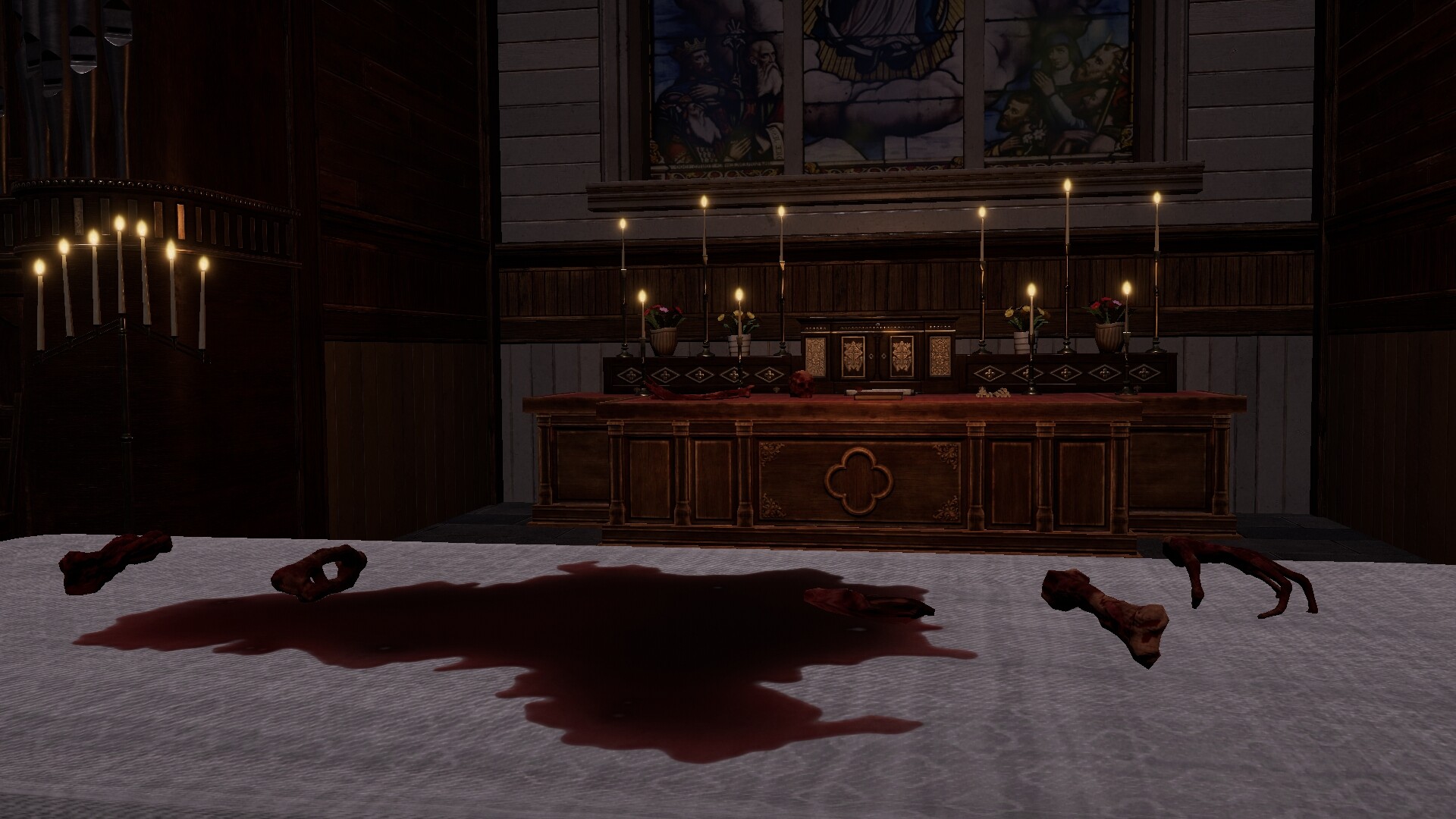
Trace of the Villa places you in a decaying, deliberately forgotten mansion where every room is a fragment of a larger, concealed operation. Its design foregrounds environmental reading and chained puzzles: restore systems, unlock safes, and follow manifests to see whether Jin’s search for his missing sister reaches an answer.

| Title | Trace of the Villa |
|---|---|
| Steam AppID | 3483660 |
| Developer / Publisher | Steadyturtle Co., Ltd. |
| Release date | 28 May, 2026 |
| Genres / Categories | Action, Adventure, Indie — Single-player; Color Alternatives; Custom Volume Controls; Playable without Timed Input; Subtitle Options; Family Sharing |
| Official short premise | Jin’s search for his missing sister leads him to a remote mansion where manifests and hints indicate she may still be alive. |
Who is this for?
Trace of the Villa is aimed at single-player PC players who prefer atmospheric mystery adventure and methodical, clue-driven exploration over twitch action. If you enjoy environmental storytelling, slow-burn suspense, and puzzles that chain together — the kind of design that rewards careful observation and hypothesis-testing — this fits your lane.
It also suits players who value accessibility options listed on the Steam page (color alternatives, custom volume controls, subtitle options) and a playable experience without timed input.
What the game actually is
The game stars Jin, a protagonist pursuing leads about his missing sister. The Steam description frames the mansion as less abandoned than erased: furnished rooms that suggest people vanished mid-routine, locked doors concealing secured secrets, and personal effects deliberately stripped of identifying details. Mechanically, the narrative unfolds when Jin restores power and secured systems reactivate — hidden compartments and safes yield fragments of encrypted documents, transfer records, and other hints that build into a financial and identity-focused mystery.

When and where: Steam context
Trace of the Villa launched on Steam on 28 May, 2026. It’s listed as an Action / Adventure / Indie title on the Steam store page (AppID 3483660) and is presented as a single-player, story-focused experience.
Why the mansion theme matters
Locked-room thinking is intrinsic to mansion mysteries: a confined space, layered secrets, and a finite set of objects you can interrogate. Trace of the Villa uses that containment to steer players toward environmental reading — items that look like mundane props instead function as nodes in a clue chain. The Steam description emphasizes the erasure of identities and falsified records, so the stakes are investigative rather than supernatural: you’re piecing together a constructed history from artifacts and system logs.
How clue chains and puzzle momentum work in practice
The official text highlights specific progression beats: restore power, reactive systems unlock, hidden compartments reveal encrypted documents, and safes produce transfer records and manifests. That sequence suggests a puzzle flow familiar to escape-room design: a discovery opens access to another layer of evidence, which then reframes previous puzzles and points to the next target. In practical terms you’ll alternate environmental scanning with small mechanical puzzles that produce new, narratively meaningful evidence.
Key objects and investigation leads called out by the store copy include manifests, encrypted document fragments, suspicious transfer records, falsified identities, and personal belongings with identifying details removed. Expect to treat those artifacts as primary clue anchors rather than incidental set dressing.
Player scenarios — which sessions work best
- Evening solo session: You want uninterrupted time for concentrated environmental reading and to follow puzzle chains without multiplayer interruptions.
- Analytical play session: You enjoy taking notes, photographing or memorizing details, and testing theories against locked systems that open only after you assemble multiple clues.
- Casual narrative session: You want atmospheric pacing with accessibility options and no mandatory timed inputs — read the corners of each room at your own pace.
How it compares to nearby mystery and puzzle games
Below is a concise editorial comparison focused on puzzle style, atmosphere, exploration, story tone and pacing to help you decide whether Trace of the Villa fits your taste.
| Title | Core puzzle style | Atmosphere / story tone | Exploration & pacing | Player fit |
|---|---|---|---|---|
| Trace of the Villa | Chained puzzles triggered by restoring systems, safes, and encrypted fragments (store description) | Slow-burn, investigative, identity-focused mansion mystery | Exploration tied to evidence-gathering; methodical pacing | Players who like environmental storytelling and clue-chains |
| The Room | Tactile safe-and-box mechanical puzzles | Mysterious, focused on a single central object/space | Linear, puzzle-box progression | Players who enjoy intricate, localized puzzle mechanics |
| The Room Two |
Leave a Reply