Trace of the Villa and the Case for Quiet Dread
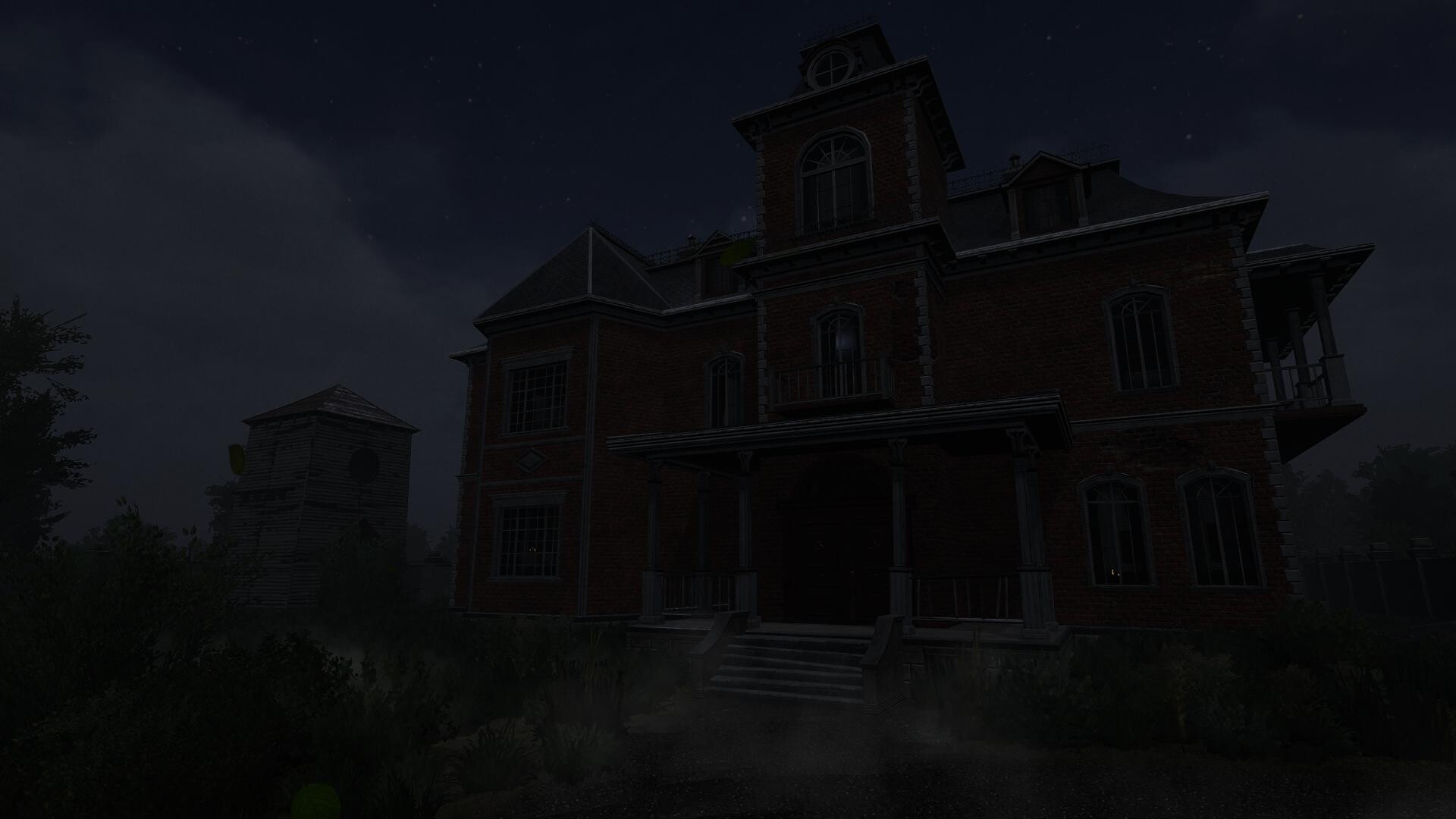
Trace of the Villa favors slow-building unease over jump scares: a decaying mansion, erased identities, and a protagonist piecing together financial traces and locked secrets. That kind of uncertainty — rooms that feel occupied but empty, systems that flicker back to life — is the engine of psychological horror here, not sudden shocks.

Who, What, When, Where, Why and How — the essentials
Who is this for?
Players who prefer narrative puzzle design, slow-burn suspense, and environmental storytelling over twitch reflex horror. If you enjoy atmospheric mystery adventure and investigative pacing — following clues, restoring systems, and reading fragments of a timeline — Trace of the Villa is aimed at that audience.
What is the game?
Trace of the Villa is a Steam indie title listed under Action, Adventure, Indie. Its short and official descriptions center on Jin, a protagonist searching for his missing sister, who follows a lead to a remote, decaying mansion and uncovers manifests, encrypted documents, and locked secrets.
When and where is it available?
Trace of the Villa released on 28 May, 2026 and is available on Steam for PC. The Steam page lists the developer and publisher as Steadyturtle Co., Ltd., and it ships with single-player features and accessibility options such as subtitle options and custom volume controls.
Why the theme matters
Psychological horror built on uncertainty exploits a basic cognitive response: the brain anticipates threats when context is ambiguous. An empty mansion that feels “erased” — rooms set mid-routine, missing photographs, falsified identities — creates sustained tension because players must supply the missing pieces themselves. That sustained unease often feels more memorable than brief shocks.
How you read clues and progress
The official Steam description makes the mechanics clear in tone: Jin restores power, brings systems back online, opens hidden compartments and safes, and recovers fragments of encrypted documents and suspicious transfer records. Progress is driven by exploration, puzzle solving, and assembling a timeline from material evidence rather than combat or timed reflex sequences.
Visuals

Who should wishlist this?
- Investigation-first players who enjoy piecing together narrative through documents and environment rather than explicit exposition.
- Fans of slow-burn psychological horror who prefer the dread of an empty room to repeated jump scares.
- Players who value accessibility options (subtitles, volume controls, no timed inputs) and single-player, story-rich adventures on PC.
Player scenarios — when Trace of the Villa fits your mood
- Evening exploration: You want a tense, contemplative session where lighting and sound guide your anxiety more than enemy encounters.
- Puzzle-focused night: You enjoy unlocking safes, decrypting fragments, and mapping a timeline from scattered clues.
- Story-driven hunt: You’re invested in a protagonist’s personal mission (Jin searching for his missing sister) and want to follow every lead to its narrative consequence.
Quick facts — Trace of the Villa
| Title | Trace of the Villa |
|---|---|
| Steam AppID | 3483660 |
| Release date | 28 May, 2026 |
| Developer | Steadyturtle Co., Ltd. |
| Publisher | Steadyturtle Co., Ltd. |
| Genres | Action, Adventure, Indie |
| Categories | Single-player; Color Alternatives; Custom Volume Controls; Playable without Timed Input; Subtitle Options; Family Sharing |
| Official short description | Jin has spent years searching for his missing sister, pursuing leads that took him to a remote, decaying mansion where he recovered manifests and hints that indicate his sister may still be alive, somewhere at the end of the trail he is about to follow. |
How it compares to nearby titles
Below is an editorial comparison focused on genre, tone, puzzle emphasis, exploration style and pacing. These notes are intended to help readers pick a game that matches their taste.
| Title | Genre / Tone | Puzzle vs Action | Exploration style | Pacing |
|---|---|---|---|---|
| Trace of the Villa | Action / Adventure / Indie — mansion mystery, investigative | Puzzle-driven investigation (restoring systems, safes, documents) | Clue-driven exploration of a decaying estate | Slow-burn, atmosphere first |
| Amnesia: The Dark Descent | Action / Adventure / Indie — immersive survival horror | Environmental puzzles with survival elements | First-person, claustrophobic exploration | Intense dread with spikes of terror |
| SOMA | Action / Adventure / Indie — sci-fi psychological horror | Story puzzles, philosophical framing | Exploration of complex facility spaces | Reflective tension, existential unease |
| Layers of Fear (2016) | Adventure / Indie — Victorian mansion, psychological | Atmospheric puzzles and narrative triggers | Shifting mansion spaces, surreal layout | Psychological, often surreal pacing |
| Poppy Playtime | Action / Adventure / Indie — toy-factory horror | Puzzle mechanics combined with set-piece threats | Large industrial environments with scripted encounters | Higher tempo with more overt threats |
Editorial note: these comparisons are framed by atmosphere and design focus rather than value judgments. Choices should hinge on whether you want quiet investigative dread (Trace of the Villa, Layers of Fear) or survival tension with higher threat presence (Amnesia, Poppy Playtime).
Trailer / Gameplay search
If you want to see footage, search YouTube for trailer and gameplay videos: Trace of the Villa trailer & gameplay (YouTube search). This link points to discovery results; verify any individual video before assuming it’s an official upload.
View Trace of the Villa on Steam