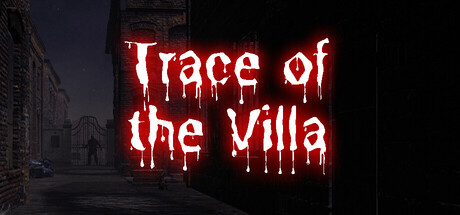
Who should consider Trace of the Villa after enjoying atmospheric mystery adventures
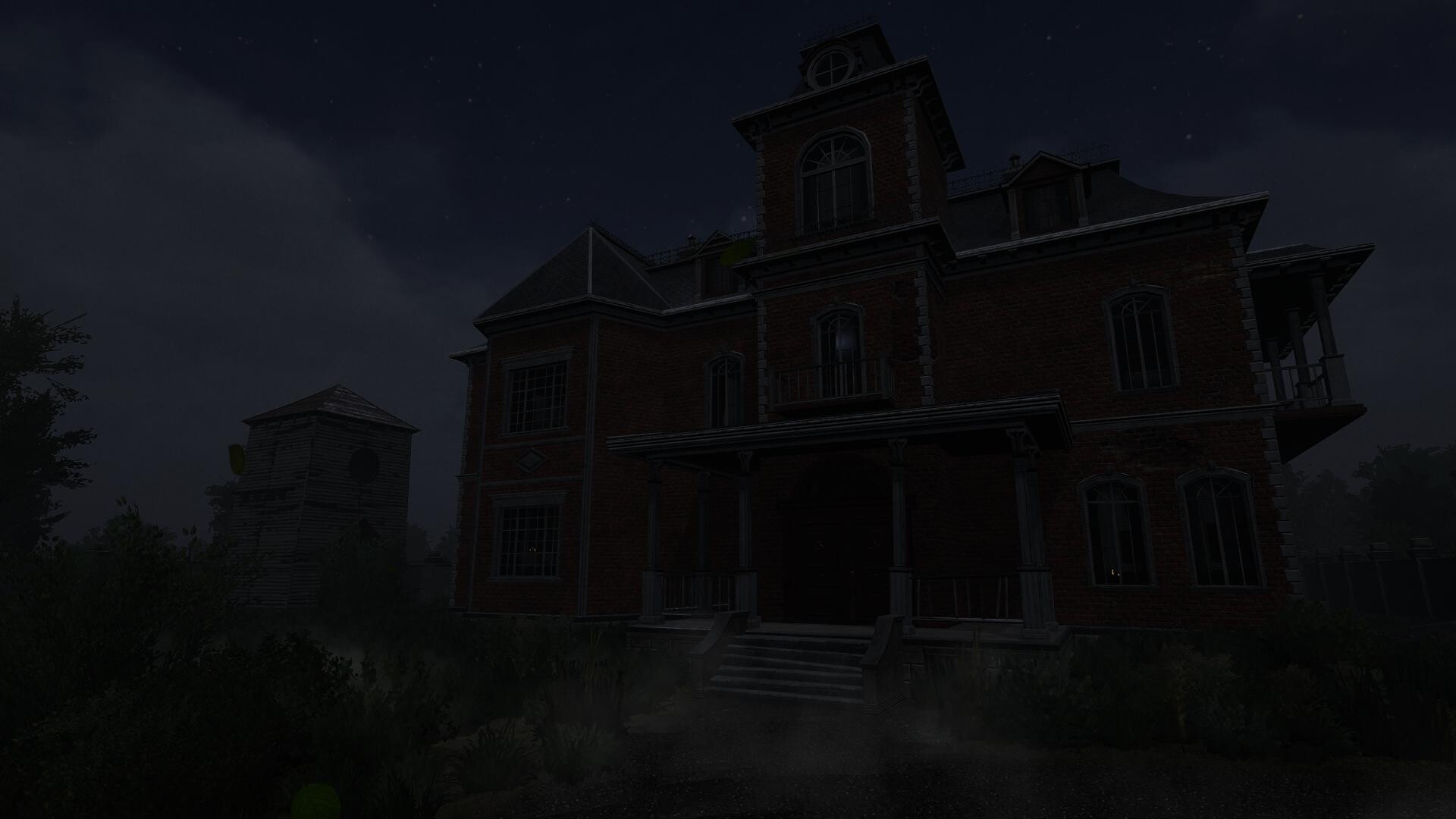
Trace of the Villa is a slow-burn, clue-driven investigation set in a remote, decaying mansion where Jin follows fragmented manifests and hidden records that may point to his missing sister. If you prize environmental storytelling, document-based puzzles, and methodical room-by-room forensics, this Steam release deserves a place on your wishlist.

Quick facts
| Title | Trace of the Villa |
|---|---|
| Steam App ID | 3483660 |
| Release date | 28 May, 2026 |
| Developer / Publisher | Steadyturtle Co., Ltd. |
| Genres | Action, Adventure, Indie |
| Key Steam categories | Single-player; Color Alternatives; Custom Volume Controls; Playable without Timed Input; Subtitle Options; Family Sharing |
| Official short premise | “Jin has spent years searching for his missing sister… a remote, decaying mansion where he recovered manifests and hints that indicate his sister may still be alive.” |
Who is this for?
- Players who enjoy atmospheric mystery adventures that rely on documents, logs and environmental detail to tell much of the story.
- Those who prefer deliberate, investigative pacing over constant combat or fast reflex challenges—Trace of the Villa lists “Playable without Timed Input” among its Steam categories.
- Fans of room-based exploration and piecing together evidence: the premise centers on restoring systems, unlocking compartments and following financial/identity trails.
- PC players who like accessibility options (subtitles, color alternatives, custom volume controls) and a single-player, story-first experience.
What the game is (and how it plays)
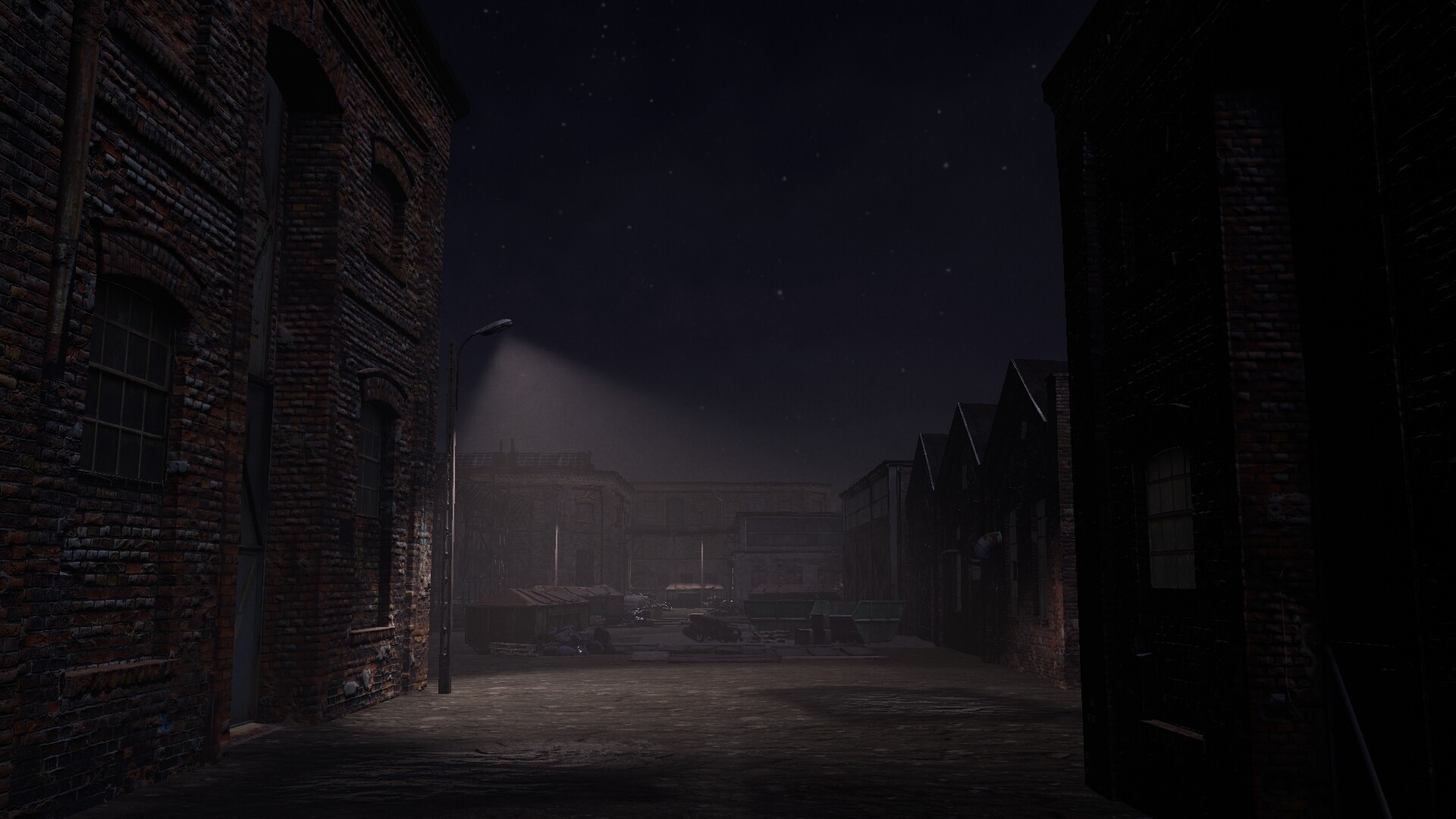
Trace of the Villa frames a personal search inside a property “cut off from the grid and deliberately forgotten.” The official description emphasizes restoring power, reopening secured systems, and uncovering encrypted documents, transfer records, and hidden compartments. Expect investigation through rooms that feel “erased” rather than simply abandoned—clues appear as manifests, safes, encrypted fragments and system logs rather than verbal exposition.
When and where
Trace of the Villa is available on Steam for PC; the official release date is 28 May, 2026. The Steam page lists the developer and publisher as Steadyturtle Co., Ltd., along with the game’s genres and the single-player and accessibility categories noted above.
Why the theme matters
Document-led investigations create a different psychological register from shock-based horror. When the story is assembled from manifests, falsified identities, and financial trails, the tension comes from cognitive labor—connecting discrete facts across rooms until a pattern forms. That slow accrual of evidence can be more satisfying if you enjoy detective-style thinking and narrative puzzles that reward careful note-taking.
How you progress: reading clues and solving rooms
The official description outlines a few concrete mechanics that shape progression: restoring power to the estate to reactivate secured systems, unlocking hidden compartments and safes, and decrypting fragmentary documents. Progression is therefore a mix of environmental puzzles (how to get power back online), evidence collection (documents, manifests, transaction records), and inference (piecing an identity- and timeline-based narrative from scattered traces).
Specific player scenarios — who will get the most out of it
- Scenario A: You enjoyed slow, psychological investigation in games like The Room or Rusty Lake Hotel and want a modern PC entry that layers documents and digital systems into its puzzles.
- Scenario B: You prefer atmospheric exploration over combat; you like to map timelines and relationships from handwriting, manifests and transaction logs rather than being led by cutscenes.
- Scenario C: You appreciate games with accessibility settings (color alternatives, subtitles, custom volume) and want a single-player mystery that doesn’t force timed reflexes.
- Scenario D: You’re drawn to mystery games that feel institutional or procedural—financial trails, falsified identities and locked systems—rather than purely supernatural scares.
Comparison: how Trace of the Villa lines up with nearby mystery/adventure titles
| Title | Atmosphere / Tone | Puzzle focus | Exploration style | Pacing |
|---|---|---|---|---|
| Trace of the Villa | Decaying mansion, erased identities, investigative dread | Document decrypting, safes/compartments, system restoration | Room-by-room forensic exploration, environmental storytelling | Methodical, evidence-driven |
| Amnesia: The Dark Descent | Immersive survival horror, oppressive dread | Environmental puzzles blended with survival mechanics | First-person, continuous world traversal | Intense, tension-heavy |
| SOMA | Sci‑fi existential horror with philosophical weight | Puzzle solving mixed with narrative encounters | Exploration in a confined, atmospheric setting | Slow-building, reflective |
| Layers of Fear (2016) | Psychological, shifting Victorian mansion | Environmental puzzles emphasizing mood and story | Room-based, surreal rearrangements of space | Slow-burn, increasingly disorienting |
| The Room | Curiosity-driven, tactile puzzle tone | Mechanical and object-based puzzle boxes | Concentrated single-room or single-object focus | Measured, puzzle-centric |
| Rusty Lake Hotel | Dark, whimsical puzzle-mystery | Point-and-click puzzles with narrative vignettes | Discrete scenes and short chapters | Compact, vignette-paced |
YouTube trailer and discovery
If you want to watch trailers or gameplay clips, try a focused search rather than assuming a single official video; use this YouTube discovery path: Trace of the Villa trailer & gameplay search.
Deciding note: Wishlist Trace of the Villa if you enjoy investigative adventure where narrative emerges from manifests, encrypted fragments and room-by-room clues rather than action-first pacing. Its Steam page emphasizes single-player investigation, accessibility options and a story premise rooted in forensic reconstruction of an erased household.
Steam page: Trace of the Villa on Steam
Disclaimer: referenced titles and trademarks belong to their respective owners; these comparisons are editorial discovery, not endorsements or claims of affiliation.
Leave a Reply