
Trace of the Villa — a mansion mystery built around narrative curiosity
Trace of the Villa puts you in Jin’s shoes: a long search for a missing sister that finally points to a remote, decaying mansion. The game promises clue-driven exploration and layered environmental storytelling as you restore power, open sealed systems, and follow fragments of encrypted documents toward whatever lies at the end of that trail.

Quick facts
| Title | Trace of the Villa |
|---|---|
| Developer / Publisher | Steadyturtle Co., Ltd. |
| Release date | 28 May, 2026 |
| Genres | Action, Adventure, Indie |
| Key Steam categories | Single-player; Color Alternatives; Custom Volume Controls; Playable without Timed Input; Subtitle Options; Family Sharing |
| Steam page | View Trace of the Villa on Steam |
Who should wishlist this
If you prioritize story-first mystery design and like following faint threads of evidence through an atmospheric space, Trace of the Villa is aimed at you. The official premise centers on Jin’s search for his missing sister and the signs that she may still be alive — that sets a personal, investigative tone rather than a pure action spectacle. Players who value environmental storytelling, slow-burn suspense in a mansion mystery, and puzzle sequences that reveal backstory will find the game aligned with their tastes.
What the game actually is
The Steam description positions Trace of the Villa as an investigative, narrative adventure: Jin finds manifests and hints in a remote, deliberately forgotten estate. Locked doors, sealed safes, encrypted documents and secured systems hide fragments of identity and transactions. When Jin restores power, the house begins to reveal its concealed operation — personal belongings remain but names and photographs are missing, and financial trails and falsified identities point to a larger, organized pattern. The gameplay emphasis shown on the store page is on uncovering those layers through environmental clues and puzzle-like unlocks rather than exposition-heavy cutscenes.

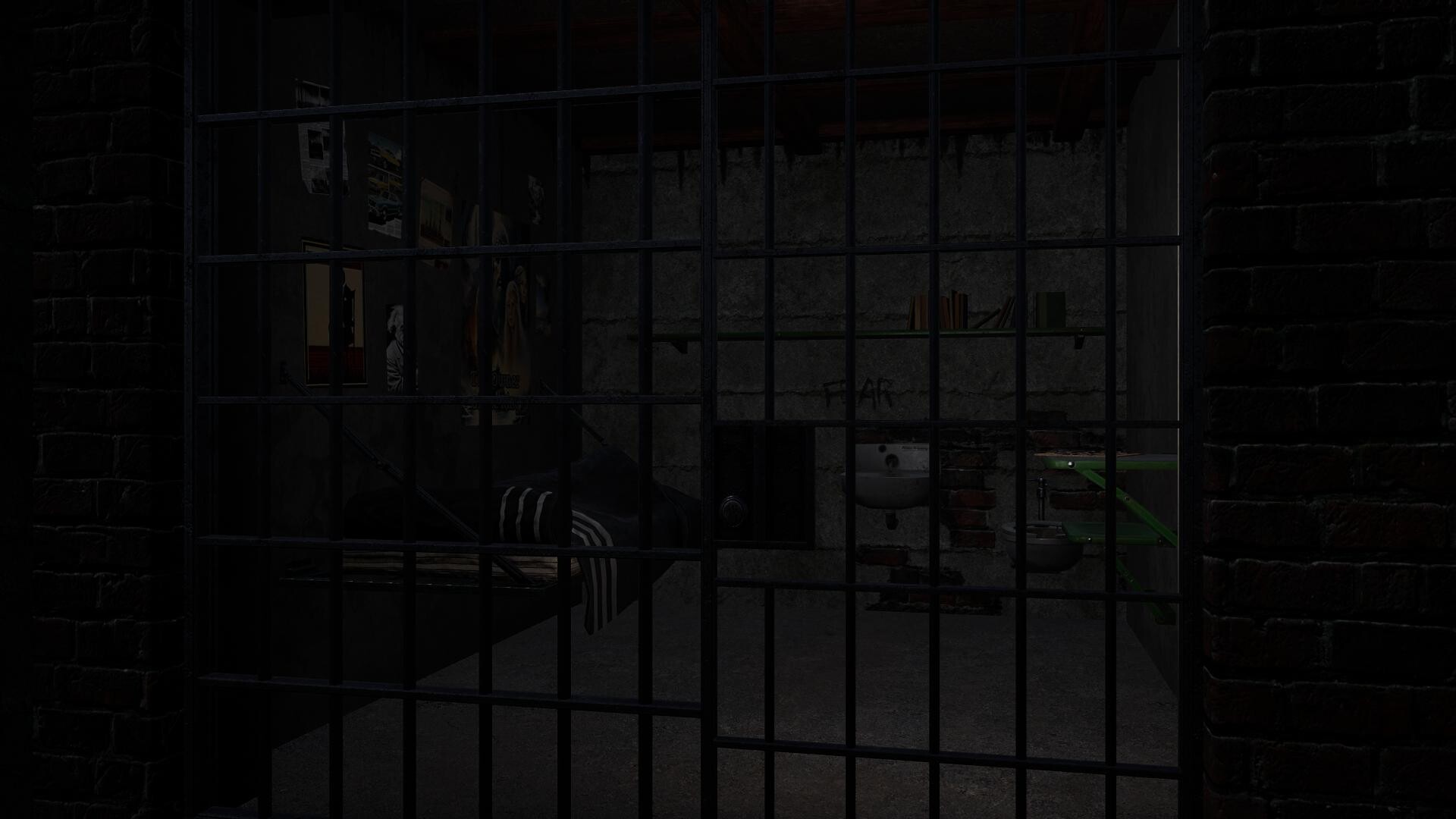
When and where
Trace of the Villa released on Steam on 28 May, 2026 and is available on PC via its Store page. The developer and publisher listed on Steam are both Steadyturtle Co., Ltd.
Why the theme matters: identity, erasure, and the investigative itch
The core tension in Trace of the Villa isn’t a monster in the attic so much as a procedural erasure of identity. The Steam description highlights rooms left mid‑routine, personal items without names or photos, and falsified paperwork — those details frame the mansion less as haunted decor and more as evidence of containment and concealment. That thematic choice makes the mystery feel like a puzzle about people, records, and systems rather than only a supernatural scare; the player’s curiosity becomes an ethical and forensic tool.
How you read clues and progress
According to the official text, progress is built around restoring systems and opening secure storage: when Jin brings power back, secured systems come online, hidden compartments unlock, and safes yield fragments of encrypted documents and suspicious transfer records. Each solved obstacle reveals another layer of a careful operation: arrivals without records, departures without witnesses, and movements masked behind false identities. Mechanically, expect the game to reward attention to environment and to link puzzles to narrative fragments rather than presenting discrete inventory puzzles divorced from story context.
Player scenarios — who will enjoy what
Scenario 1 — The environmental storyteller
You prefer a game where the world does most of the talking: rooms, furniture placement, and missing photos narrate who lived there. Trace of the Villa’s erased identities and sealed archives will appeal because the story is uncovered through objects and recovered systems, not just dialogue.
Scenario 2 — The slow-burn mystery fan
You like tension that builds by accumulation. The game’s description suggests a deliberate reveal structure—power restores, systems boot, discoveries cascade—matching a slow-burn suspense appetite rather than instant answers.
Scenario 3 — The puzzle-narrative crossover player
If you want puzzles that exist to expose narrative (encrypted documents, safes, locked files), Trace of the Villa appears aimed at you. The emphasis is on clue-driven exploration that ties mechanical unlocks to plot scaffolding.
Scenario 4 — The action‑first explorer
The Steam tags list Action and Adventure among the genres, but the store text focuses primarily on investigation and narrative discovery. Action-oriented players should scope playtime expectations accordingly: this is framed as a personal investigation first, with atmospheric tension rather than arcade combat as its selling point.
How it compares to nearby mystery and narrative puzzle games
| Title | Primary genres | Atmosphere / tone | Puzzle focus | Exploration style |
YouTube discoveryFor trailer and gameplay discovery, use YouTube search rather than relying on unverified embeds: Find Trace of the Villa trailer and gameplay searches on YouTube. Comments |
|---|
Leave a Reply