Trace of the Villa — an atmospheric, clue-driven mansion mystery for patient puzzle players
Trace of the Villa drops you into a decaying, cut‑off estate where Jin combs through manifests and encrypted fragments that suggest his missing sister might still be alive. The game leans on environmental storytelling and layered story puzzles to turn every object, log and powered system into a piece of forensic narrative.

What Trace of the Villa is
Trace of the Villa is a Steam PC release from developer and publisher Steadyturtle Co., Ltd. (genres listed as Action, Adventure, Indie). Its official premise follows Jin, who after years of dead ends traces a lead to a remote mansion and recovers manifests and hints that may point to his missing sister. The mansion reveals evidence of a carefully concealed operation — falsified identities, encrypted documents, and people moving through the property under strict control — as Jin restores power and unlocks hidden compartments.
Quick facts
| Title | Trace of the Villa |
|---|---|
| Steam appid | 3483660 |
| Developer / Publisher | Steadyturtle Co., Ltd. |
| Release date | 28 May, 2026 |
| Genres | Action · Adventure · Indie |
| Steam categories / accessibility | Single-player; Color Alternatives; Custom Volume Controls; Playable without Timed Input; Subtitle Options; Family Sharing |
Where and when
Trace of the Villa released on Steam on 28 May, 2026. The Steam page is the canonical place to wishlist, read official text, and preview screenshots and trailers.
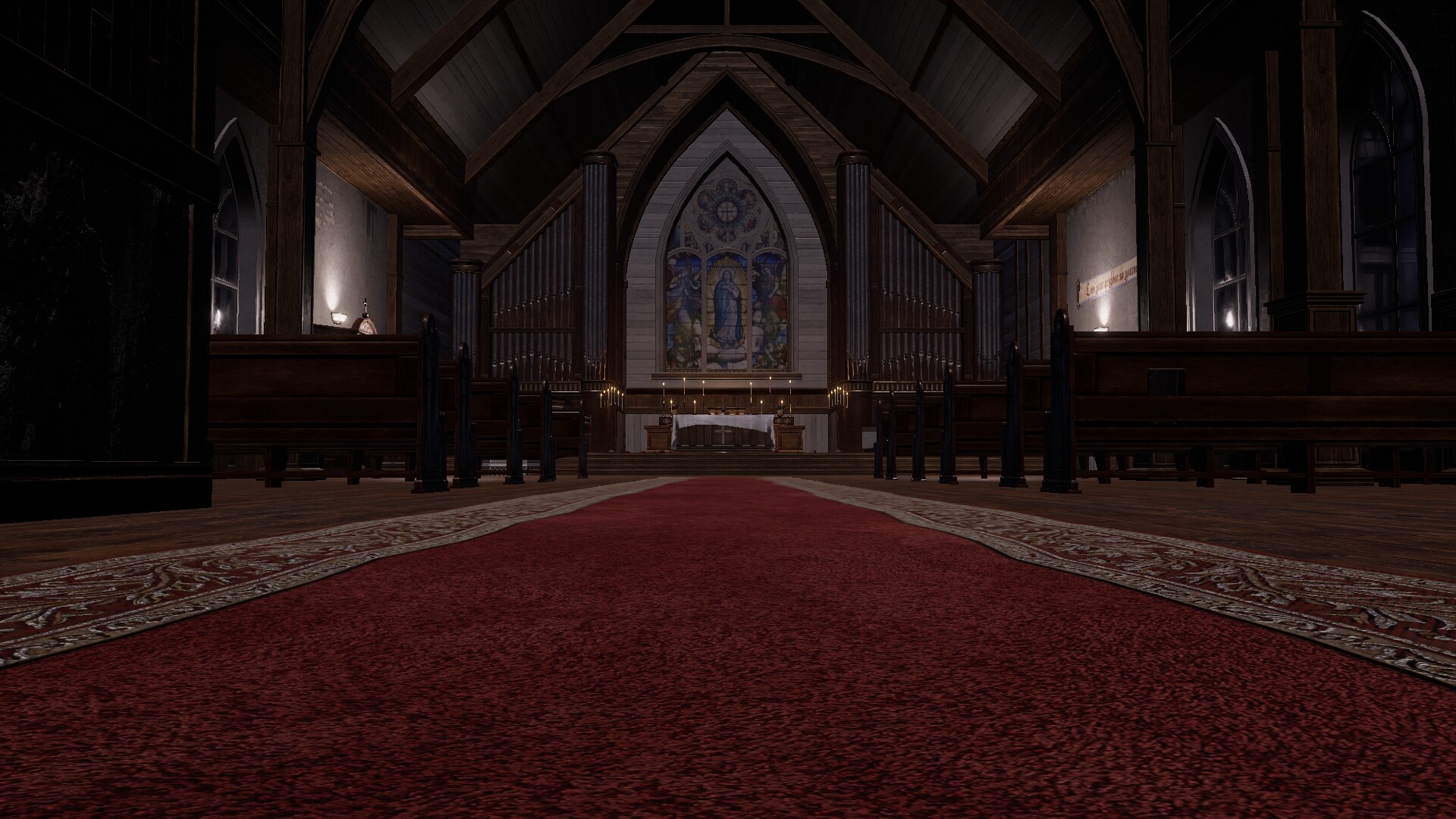

Why the theme matters — narrative puzzle design & player stakes
Trace of the Villa foregrounds clue reading as a storytelling mechanic. Rather than relying on jump scares or timed reaction challenges (the Steam listing notes “Playable without Timed Input”), the game makes investigation slow and procedural: restoring power, accessing secured systems, and following financial trails are the ways the plot advances. That design ties the player’s methodical attention directly to narrative reward — the more thoroughly you parse manifests, safes and system logs, the more coherent the timeline becomes.
How progression and puzzles work
The official description highlights a mix of environmental puzzles and secured systems that come back online when Jin restores power. Progression is anchored in object logic and layered discovery: items and documents unlock new interfaces, encrypted fragments suggest next targets, and personal belongings (notably absent of photographs or names) create a mood of erased identities. Expect to read clues across several loci — physical safes, manifests, system logs — and assemble them into a timeline rather than solving isolated abstract lock puzzles.
Who Trace of the Villa is for
- Players who prefer atmospheric mystery adventure and environmental storytelling over arcade pacing.
- Those who enjoy detective-like clue reading: assembling disparate documents and object details into a coherent narrative.
- Fans of single-player narrative puzzles who appreciate accessibility options like subtitles and the ability to avoid timed inputs.
- Players looking for a slow-burn, investigative tone rather than multiplayer or action-focused puzzle chaos.
Player scenarios — does this fit you?
- You like forensic, story-led puzzles: If you get satisfaction from tracing financial records, decrypting fragments and piecing together why people vanished from a place, this game’s structure aligns with that practice.
- You prefer low-pressure exploration: The Steam categories include “Playable without Timed Input” and subtitle options, signaling the pacing is likely deliberate and accessible.
- You don’t want constant action sequences: While the game’s genres include Action, the promotional emphasis and categories suggest the core appeal is adventure and investigative puzzlework rather than reflex-driven combat.
- You enjoy narrative context for every puzzle: Rooms arranged “as if occupants vanished mid-routine” imply object-based storytelling where even small items carry narrative weight.
How Trace of the Villa compares to nearby puzzle-adventure experiences
Below is a compact editorial comparison focused on genre, atmosphere, puzzle emphasis, exploration style, and pacing. These are comparative notes for reader discovery, not endorsements.
| Title | Genre / Release | Atmosphere | Puzzle focus | Exploration style | Pacing / Player fit |
|---|---|---|---|---|---|
| Trace of the Villa | Action · Adventure · Indie — 28 May, 2026 | Mansion mystery, slow-burn, erased identities | Clue reading, object logic, restoring systems and encrypted fragments | Forensic room-by-room investigation, environmental storytelling | Deliberate pacing; suited for patient, narrative-focused players |
| The Room / The Room Two | Adventure · Indie — The Room (2014), The Room Two (2016) | Clockwork, tactile, small-scale mystery rooms | Mechanical puzzles, object manipulation and layered safes | Focused, single-room puzzle boxes progressing to new locales | Puzzle-first, tactile; ideal for players who like handcrafted puzzle devices |
| Escape Simulator | Adventure / Simulation — 19 Oct, 2021 | Bright, interactive escape-room environments | Highly interactive object-based puzzles; physics and manipulation | Escape-room style with community levels and high interactivity | Varied pacing; suits both quick sessions and cooperative problem-solving |
| Unpacking | Casual / Indie / Simulation — 1 Nov, 2021 | Zen, domestic, non‑threatening | Spatial and contextual puzzles that reveal life stories via objects | Calm, room-by-room placement rather than locked puzzles | Relaxed pacing; great for players who enjoy narrative implied through objects |
Where to watch trailers or gameplay
If you want to preview trailers or gameplay videos, use this YouTube search path (search results may include trailers and player clips; not all videos are official): YouTube: Trace of the Villa trailer & gameplay search.
View Trace of the Villa on Steam
Referenced comparisons are editorial observations based on listed genres, release dates and public descriptions. They are provided to help you decide if the game’s puzzle style and pacing match your preferences.
Disclaimer: Referenced titles and trademarks belong to their respective owners; comparisons are editorial discovery only.
Leave a Reply