
Trace of the Villa — an inspection-first mansion mystery for clue-driven players
Steadyturtle Co., Ltd.’s Trace of the Villa (released 28 May, 2026) places you in a decaying mansion where environmental evidence and object logic do the narrative heavy lifting. If you prefer slow-burn investigation, locked doors that yield new layers of story, and puzzles that require careful reading of place and possessions, this one is aimed squarely at that playstyle.

| Title | Trace of the Villa |
|---|---|
| Steam AppID | 3483660 |
| Release date | 28 May, 2026 |
| Developer / Publisher | Steadyturtle Co., Ltd. |
| Genres | Action, Adventure, Indie |
| Notable Steam categories | Single-player; Color Alternatives; Custom Volume Controls; Playable without Timed Input; Subtitle Options; Family Sharing |
| Official short premise | Jin searches for his missing sister in a remote, decaying mansion and recovers manifests and hints that suggest she may still be alive at the end of the trail. |
Who should wishlist Trace of the Villa?
Players who enjoy inspection-heavy play: those who pause, pick up objects, read labels and manifests, and let environmental storytelling supply plot beats. If you like locked-room thinking—building clue chains from fragments you find and letting restored systems or unlocked compartments move the investigation forward—this matches that appetite. Also a fit for readers of atmospheric mystery adventure and story-rich PC mystery games rather than twitch-focused action fans.
What the game is (officially)
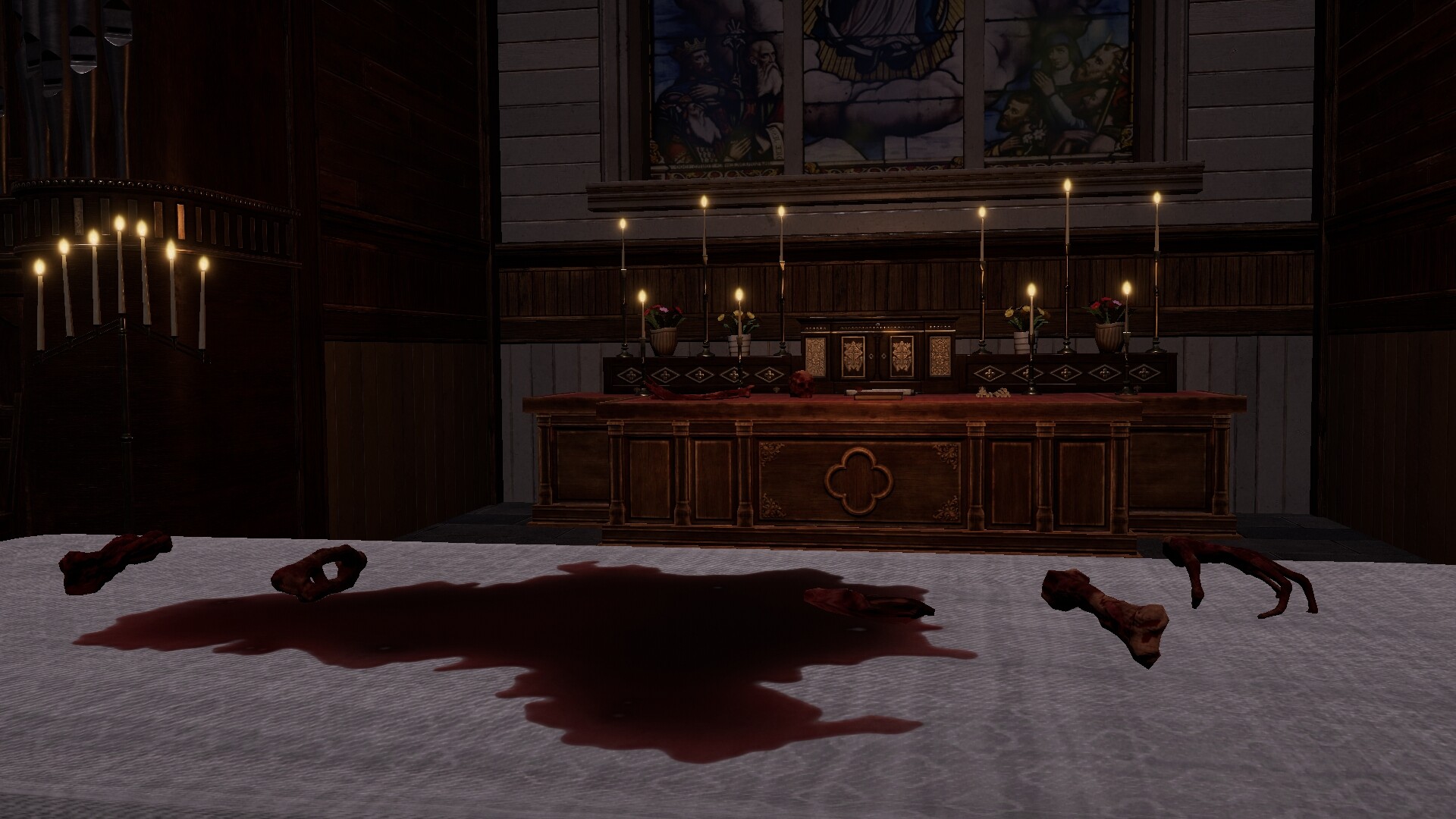
The official Steam description positions Trace of the Villa as a slow, investigative stay in a deliberately forgotten property. The protagonist, Jin, follows a lead to a mansion cut off from the grid. Inside, rooms look as if their occupants vanished mid-routine; identities appear to have been erased. When Jin restores power, secured systems come back online, hidden compartments unlock, and safes yield fragments of encrypted documents and suspicious transfer records. Each solved puzzle reveals more of a carefully concealed operation—financial trails, falsified identities, and arrivals and departures that leave questions instead of records.

When and where (Steam/PC context)
Trace of the Villa launched on Steam on 28 May, 2026. It’s listed under Action, Adventure, and Indie and carries several accessibility and UI-friendly categories—Color Alternatives, Custom Volume Controls, Subtitle Options, and Playable without Timed Input—so it’s positioned for PC players who want an unhurried, readable puzzle experience.
Why the mansion setting matters for puzzle design
The official description makes clear that the mansion itself is the primary storyteller: objects left in place, missing records, and secured systems offer narrative beats rather than cutscenes. That design choice pushes puzzles toward environmental reading and object logic—you solve problems by interpreting manufactured traces (manifests, transfer records, encrypted fragments) and by restoring systems that reveal more clues. For players who value pacing and atmosphere, a setting that progressively unlocks information rewards patience and careful observation.
How progression looks: clue chains, locked-room thinking, and inspection
Steam’s official text describes concrete progression mechanics: restoring power, unlocking hidden compartments, and opening safes to obtain encrypted documents and transfer records. That translates to a loop where each inspection (reading a manifest, aligning an object, decoding a fragment) provides the next node in a clue chain, and previously sealed parts of the house become accessible. Expect problem-solving to center on deduction from found items and environmental changes rather than timed skill challenges—the store page explicitly lists the game as playable without timed input.
Player scenarios — who will get the most from this
- Investigation-first players: you like piecing together a narrative from private effects, logs, and system states rather than dialogue-heavy exposition.
- Puzzle readers: you prioritize object logic and environmental puzzles—matching symbols, reconstructing timelines from manifests, and using clues to open new areas.
- Atmosphere-minded explorers: you want slow-burn suspense and mansion mystery tone, where the environment itself provides the emotional beats.
- Accessibility-conscious PC players: the Steam categories show support for subtitles, color alternatives, and non-timed play, which helps for focused inspection play.
How it compares (useful editorial comparisons)
| Feature | Trace of the Villa | The Room | Escape Simulator |
|---|---|---|---|
| Primary focus | Environmental storytelling, inspection-heavy clue chains (mansion, restored systems) | Object-centric mechanical puzzles in a single mysterious space | Highly interactive room-based puzzles, physics interactions, community rooms |
| Atmosphere / tone | Slow-burn, psychological mansion mystery | Dank, tactile, occult-tinged puzzle atmosphere | Varied (from light to tense), sandbox escape-room feel |
| Puzzle style | Clue chains, manifest/record reading, unlocking systems | Intricate, layered mechanical puzzles and safes | Interactive object manipulation, cooperative options |
| Exploration | Single large property with narrative discovery | Contained rooms with focused gadgets | Many rooms and user-made scenarios; movement and physics |
| Pacing | Slow, investigative | Measured, puzzle-forward | Flexible — player/room dependent |
Editorial note: The Room, The Room Two, and Escape Simulator are listed here to illustrate differences in puzzle emphasis and tone based on their published descriptions and categories. These comparisons are meant to help you judge fit rather than to rate quality.
Where to find trailers and gameplay footage
Search YouTube for trailers and gameplay (use this discovery path rather than assuming a single official video): YouTube search: Trace of the Villa trailer gameplay.
Decision checklist — should you wishlist?
- Yes, if you prefer methodical, inspection-first mysteries over fast action.
- Yes, if you enjoy reading in-world documents and following financial/identity traces as gameplay rewards.
- Consider waiting if you want puzzle-heavy mechanical contraptions or multiplayer room-building features—Trace of the Villa emphasizes narrative discovery and atmosphere.
View Trace of the Villa on Steam
Disclaimer
Referenced titles and trademarks belong to their respective owners. Comparisons above are editorial discovery only and rely on official Steam descriptions and publicly available metadata.
Leave a Reply