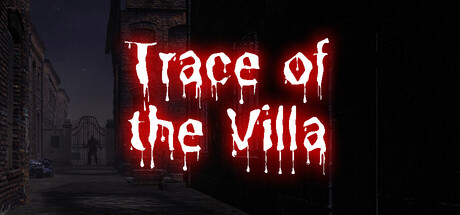
Trace of the Villa — why slow-burn uncertainty matters more than cheap shocks
Trace of the Villa is a Steam PC mystery/adventure that trades jump-scares for a steady, suffocating unease: you play Jin, chasing leads to a remote, decaying mansion where manifests and encrypted records imply his missing sister may still be alive. Released on 28 May, 2026 by Steadyturtle Co., Ltd., the game leans on environmental storytelling, locked doors, and phased systems that reveal themselves as you restore power.

Quick facts
| Title | Trace of the Villa |
|---|---|
| Steam AppID | 3483660 |
| Release date | 28 May, 2026 |
| Developer / Publisher | Steadyturtle Co., Ltd. |
| Genres | Action, Adventure, Indie |
| Key Steam features | Single-player; Color Alternatives; Custom Volume Controls; Playable without Timed Input; Subtitle Options; Family Sharing |
| Official short premise | Jin has spent years searching for his missing sister, pursuing leads that took him to a remote, decaying mansion where he recovered manifests and hints that indicate his sister may still be alive, somewhere at the end of the trail he is about to follow. |
Who is this for?
If you prefer psychological investigation and ambient dread to scripted jump-scares, Trace of the Villa is pitched at you: players who enjoy methodical clue-gathering, atmospheric puzzle-solving, and a narrative that unfurls as systems are reactivated. Fans of mansion mysteries and slow-burn tension—rather than constant action—will find the pacing and tone relevant to their tastes.
What the game is
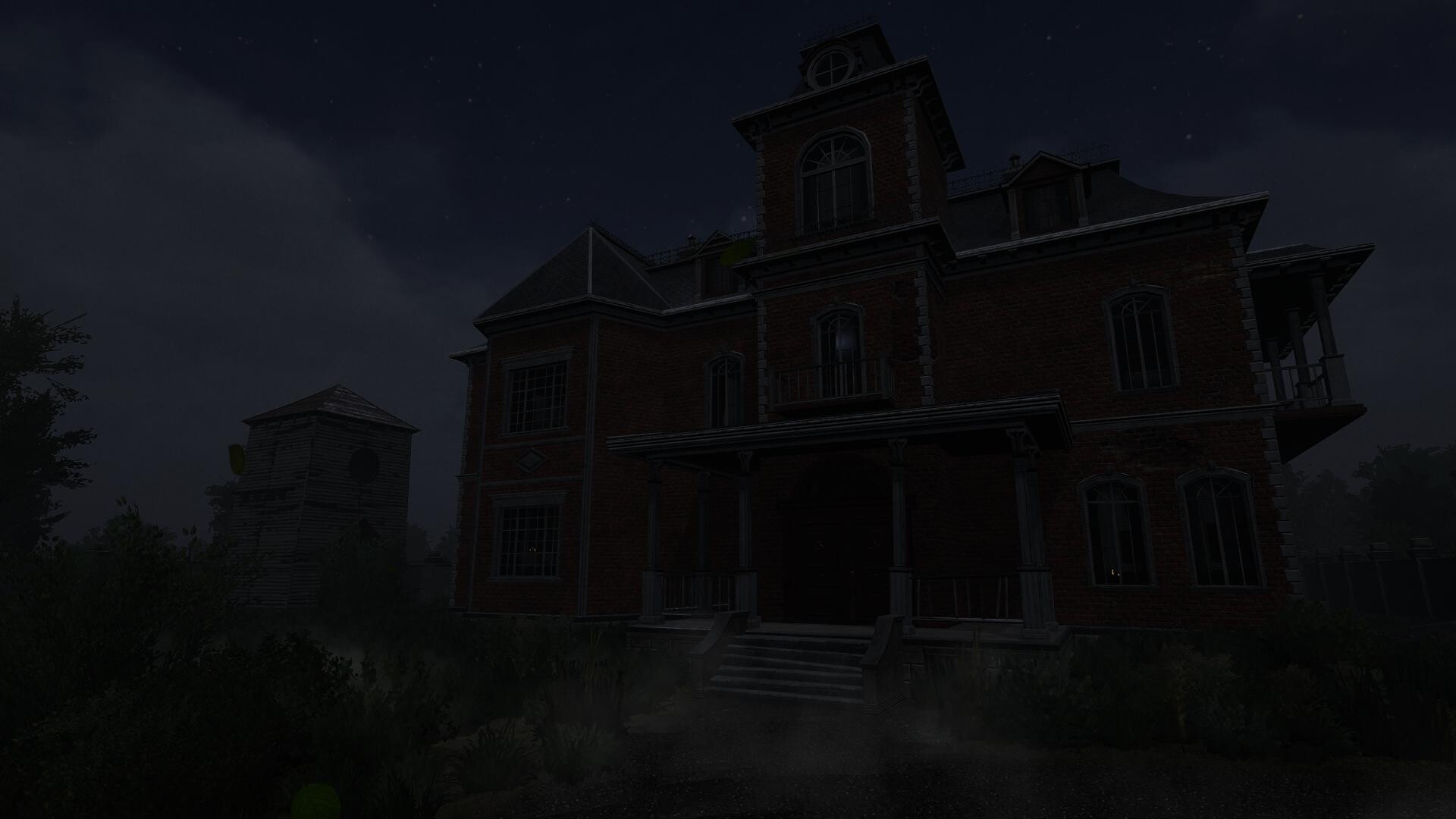
Trace of the Villa is a story-rich exploration adventure. The Steam description places emphasis on environmental storytelling: rooms staged as if their occupants vanished mid-routine, locked doors holding encrypted documents, falsified identities and suspicious transfer records. Gameplay revolves around restoring power to reveal hidden compartments and recovering manifests that point deeper into an organized, secretive operation.

When and where
Trace of the Villa launched on Steam on 28 May, 2026. It is available on PC via the Steam store page for the title, handled directly by developer/publisher Steadyturtle Co., Ltd.
Why quiet tension and uncertainty matter
Psychological horror that privileges uncertainty works differently than loud, reactive scares. In games built around slow revelation, the lack of information—missing names, erased histories, interrupted routines—becomes the engine of dread. Trace of the Villa structures that uncertainty into the puzzle loop: every recovered manifest, every restored subsystem, narrows the unknown but often replaces one question with another. That sustained cognitive tension can create longer-lasting unease than a single sudden fright.
How progression and clues work
The Steam description details a progression loop driven by investigation and systems restoration. Jin restores power to the mansion, which brings secured systems back online and unlocks hidden compartments; safes yield fragments of encrypted documents and financial trails; manifests provide directional leads. Players progress by reading evidence, assembling timelines from documents, and solving environmental puzzles that gate further revelations.
Player scenarios — who should wishlist this
- If you enjoy paced mood over adrenaline: You want a game that rewards patience and note-taking, where the payoff is narrative and interpretive rather than jump-scare catharsis.
- If you like detective-style object work: You prefer reading manifests, piecing together encrypted records, and following financial or identity threads to reveal an operational conspiracy.
- If you want an exploration-first experience: You appreciate rooms that tell stories through belongings and staging, where the environment is the primary storyteller.
- If you dislike timed inputs and frantic combat: The Steam categories include “Playable without Timed Input” and accessibility options like color alternatives and subtitle options, which suit calmer playstyles.
How it compares (brief editorial table)
| Title | Atmosphere / Pacing | Focus | Exploration & Puzzles | Recommended if you like… |
|---|---|---|---|---|
| Amnesia: The Dark Descent | Immersive, claustrophobic; steady build | Survival-leaning first-person horror, immersion | Environment-led, with fear mechanics | Deep immersion and existential dread with persistent tension |
| SOMA | Slow-burn, philosophical, unsettling | Sci-fi horror that questions identity | Exploration with narrative puzzles and dialogue | Atmospheric storytelling that mixes puzzles and moral questions |
| Layers of Fear (2016) | Psychological, shifting mansion, art-focused | Narrative horror about sanity and art | Corridor exploration and environmental puzzle beats | Unreliable reality and a mansion that itself changes |
| Poppy Playtime | Faster, more confrontational puzzles and set-pieces | Horror/puzzle with action moments | Tool-based puzzles and tighter encounter designs | Players who prefer puzzle mechanics mixed with tense set-pieces |
These comparisons are editorial and focus on tone, pacing, and player fit rather than technical features or popularity.
Steam and discovery notes
Trace of the Villa is presented on Steam as an indie Action / Adventure experience with features aimed at accessibility and single-player exploration. If you’re deciding whether to add it to your wishlist, consider whether you prefer games that coax story out of quiet investigation rather than those that rely on repeated shock moments.
Watch or search for visuals
To see trailers and gameplay footage, use this YouTube search path (search results will include community and official uploads where available): Trace of the Villa trailer & gameplay — YouTube search.
Still deciding? Practical checklist
- Do you enjoy reading logs, decrypting fragments, and assembling timelines? — Yes: likely a fit.
- Do you prefer tight combat or fast reflex challenges? — If yes, this may feel too slow.
- Do you value atmospheric slow-burn suspense more than repeated scares? — Yes: wishlist it.
View Trace of the Villa on Steam
Referenced titles and trademarks belong to their respective owners. The comparisons above are editorial discovery and not endorsements or claims of superiority.
Leave a Reply