
Trace of the Villa — an escape-room style mansion mystery built around power, locks, and evidence
Jin arrives at a remote, decaying mansion after years of searching for his missing sister; restoring the estate’s power becomes the central gameplay lever that gradually exposes hidden compartments, encrypted fragments and a wider conspiracy. Trace of the Villa frames its investigation as a locked-house puzzle loop where environmental reading, chained clues and incremental unlocking replace bombastic set-pieces.

Who this is for
Trace of the Villa is aimed at players who prefer slow-burn suspense and clue-driven exploration over twitch action: fans of atmospheric mystery adventure, environmental storytelling, and puzzle design that rewards careful reading of rooms and item chains. If you enjoy reconstructing timelines, following financial or identity traces, and watching previously sealed systems reveal new surfaces and puzzles, this is the tone the game promises.
What the game is
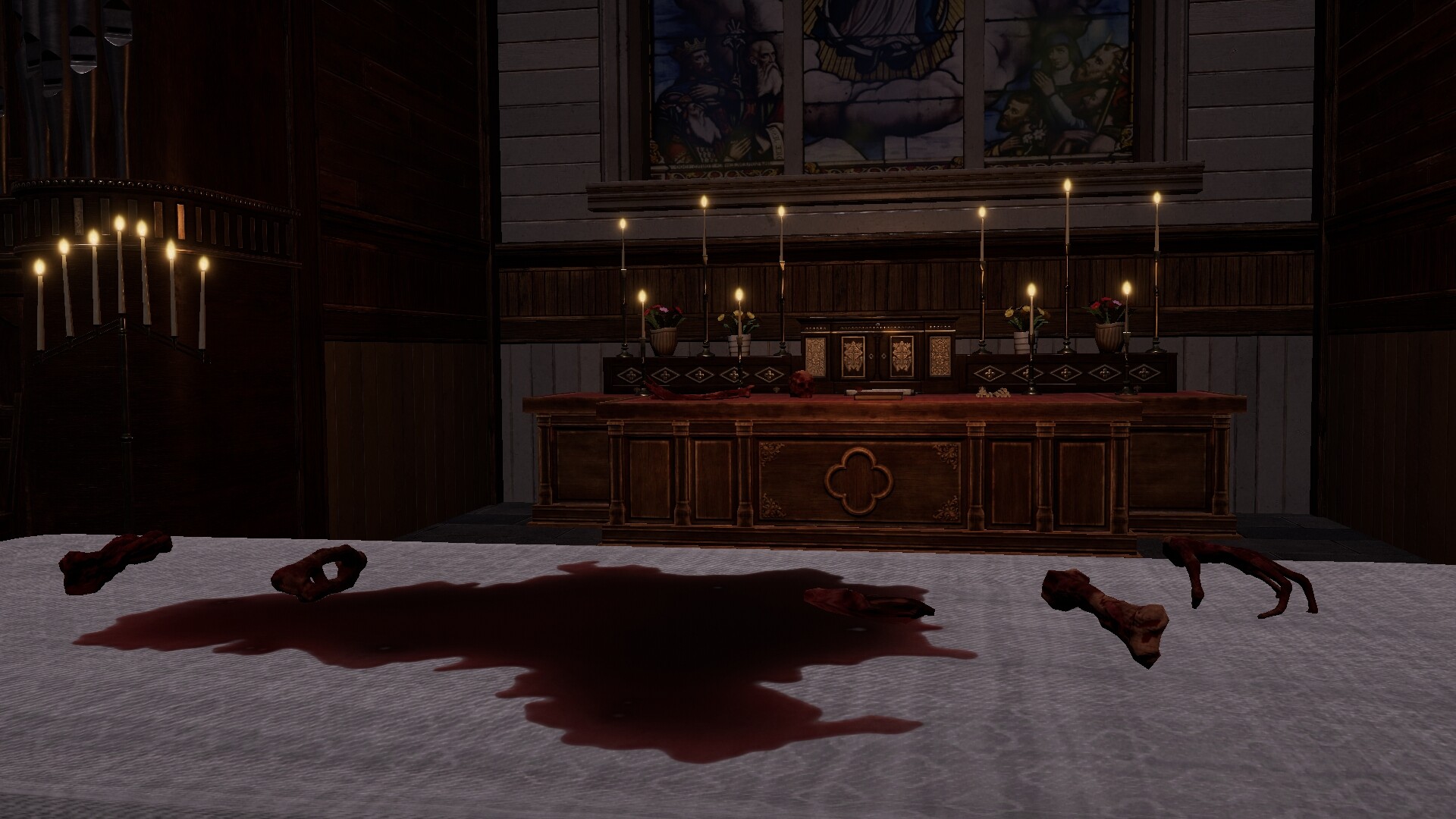
Trace of the Villa (Steadyturtle Co., Ltd.) is presented on Steam as an Action / Adventure / Indie title where the protagonist Jin follows a lead to a property cut off from the grid. Official text explains that the mansion appears “less abandoned than erased” — rooms look as if their occupants vanished mid-routine, locked doors hide “hastily secured secrets,” and personal belongings remain without names or photographs. When Jin restores power to the estate, secured systems come back online and reveal fragments of encrypted documents and suspicious transfer records that suggest a larger operation.
When and where
Trace of the Villa released on Steam on 28 May, 2026. The game’s Steam page lists Steadyturtle Co., Ltd. as both developer and publisher and places it in the Action, Adventure, Indie genres with single-player and accessibility-friendly categories (Color Alternatives, Custom Volume Controls, Playable without Timed Input, Subtitle Options, Family Sharing).
Why the theme matters
The mansion-as-locked-room is a classic setup for a psychological investigation because it makes the environment itself a suspect and an archive. Trace of the Villa leans into that by treating power restoration as narrative leverage: bringing lighting and systems back online not only expands navigation but also changes what information is visible. That approach emphasizes forensic patience over spectacle — your primary reward is context and connection rather than combat or timed trial-and-error.
How progression works — the restoring-power gameplay loop
Rather than promising a specific mechanic set beyond the official description, the Steam listing frames progression through a repeating loop: restore power, watch secured systems reactivate, unlock previously inaccessible spaces, and recover fragments of evidence. The official description explicitly notes that “secured systems come back online,” “hidden compartments unlock,” and “safes yield fragments of encrypted documents and suspicious transfer records.” These fragments form clue chains — financial trails, falsified identities and movement logs — that the player must piece together to construct a timeline and determine what the mansion was used for and whether Jin’s sister is still alive.

Quick facts
| Title | Trace of the Villa |
|---|---|
| Developer | Steadyturtle Co., Ltd. |
| Publisher | Steadyturtle Co., Ltd. |
| Steam AppID | 3483660 |
| Release date | 28 May, 2026 |
| Genres | Action, Adventure, Indie |
| Key categories | Single-player; Color Alternatives; Custom Volume Controls; Playable without Timed Input; Subtitle Options; Family Sharing |
How it compares (compact editorial comparison)
Below is a focused editorial comparison on puzzle style, atmosphere and player fit — not a superiority claim, just a look at where Trace of the Villa sits relative to nearby mystery/puzzle titles.
| Game | Core puzzle style | Atmosphere / Tone | Exploration focus | Player fit |
|---|---|---|---|---|
| Trace of the Villa | Evidence chaining unlocked by restoring systems and opening sealed spaces | Slow-burn mansion mystery; erased identities and procedural traces | Room-by-room, power-dependent reveals and document reconstruction | Players who like environmental forensics and narrative puzzles |
| The Room | Tactile, single-object puzzle boxes and mechanical riddles | Mysterious, intimate and tactile | Focused on single-object disassembly and layered contraptions | Players who enjoy isolated, object-based puzzle design |
| The Room Two | Expanded mechanical puzzles with episodic, atmospheric set-pieces | Cryptic and theatrical; slow reveal of an overarching puzzle narrative | Multi-chamber puzzle progression with a sense of unfolding locations | Players who like serialized, handcrafted puzzle sequences |
| Escape Simulator | Interactive escape rooms with physics, object interaction and community levels | Variable by room—often playful or inventive, can be tense in design | Highly interactive environments; community-made content expands scope | Players who want active manipulation and short escape-room scenarios, solo or co-op |
| Hi‑Fi RUSH | Action-based, rhythm-synced combat and pacing | Energetic, music-driven and fast | Combat and stage-based progression rather than investigative exploration | Players seeking action and rhythm mechanics, not slow investigative puzzling |
Player scenarios — would you wishlist it?
- Wishlist if you enjoy patient, detective-style pacing: you like following document trails, access-chaining and letting the environment reveal context rather than immediate exposition.
- Consider skipping or delay-wishlist if you prefer puzzle games built around tactile mechanical boxes (The Room series) or physics-based interaction and heavy object manipulation (Escape Simulator).
- Wishlist if you value accessibility options listed on Steam (color alternatives, custom volume controls, subtitles, and no reliance on timed input), and you mainly want a single-player narrative investigation.
Trailer and video discovery
Search for gameplay or trailers on YouTube: Trace of the Villa — YouTube search. (Use the search path for discovery; this listing does not assert a specific official video beyond Steam assets.)
Final take
Trace of the Villa is presented as a narrative puzzle experience where restoring power and unlocking sealed systems is the primary lever for discovery. If you prioritize environmental storytelling, chained clues, and reconstructing fragmented evidence inside a brooding mansion, Steadyturtle Co., Ltd.’s title fits that play profile; if you prefer puzzle-box mechanics or physics-driven room interaction, the listed comparisons point to alternatives that lean harder in those directions.
Leave a Reply