
Trace of the Villa — a mansion mystery built around locked-room thinking and chainable clues
Trace of the Villa drops you into a remote, decaying mansion where forensic curiosity and environmental reading drive the play: restore power, reopen sealed systems, and follow manifests and encrypted scraps to learn what happened. Released on 28 May, 2026 by Steadyturtle Co., Ltd., the game blends investigation-forward puzzle design with action-adventure pacing in a single-player, story-rich package.

Quick facts
| Title | Trace of the Villa |
|---|---|
| Steam AppID | 3483660 |
| Release date | 28 May, 2026 |
| Developer / Publisher | Steadyturtle Co., Ltd. |
| Genres | Action · Adventure · Indie |
| Notable Steam categories | Single-player; Color Alternatives; Custom Volume Controls; Playable without Timed Input; Subtitle Options; Family Sharing |
| Official short premise | Jin has spent years searching for his missing sister, pursuing leads that took him to a remote, decaying mansion where he recovered manifests and hints that indicate his sister may still be alive, somewhere at the end of the trail he is about to follow. |
Who is this for?
Players who prefer deliberate, clue-driven exploration over twitch reflexes — people who enjoy reading an environment for narrative residue (furniture left mid-routine, secured systems that only speak after power is returned, safes yielding fragments of encrypted documents). The Steam categories also flag accessibility and comfort options (color alternatives, custom volume, subtitles) and a gameplay mode without timed input, so it suits methodical solvers and players who want to pace their investigation.
What the game is (and what it isn’t)
Trace of the Villa is framed as a personal investigation: the protagonist Jin follows a lead to a forgotten estate and, by restoring infrastructure and unlocking secured systems, uncovers falsified identities, suspicious transfers, and a pattern of arrivals and disappearances. That means the core loop is environmental puzzle-solving and narrative forensics rather than pure escape-room speed runs. It carries the tone of a slow-burn mansion mystery with investigative beats — expect locked doors, hidden compartments, safes, and document fragments that chain into larger revelations.

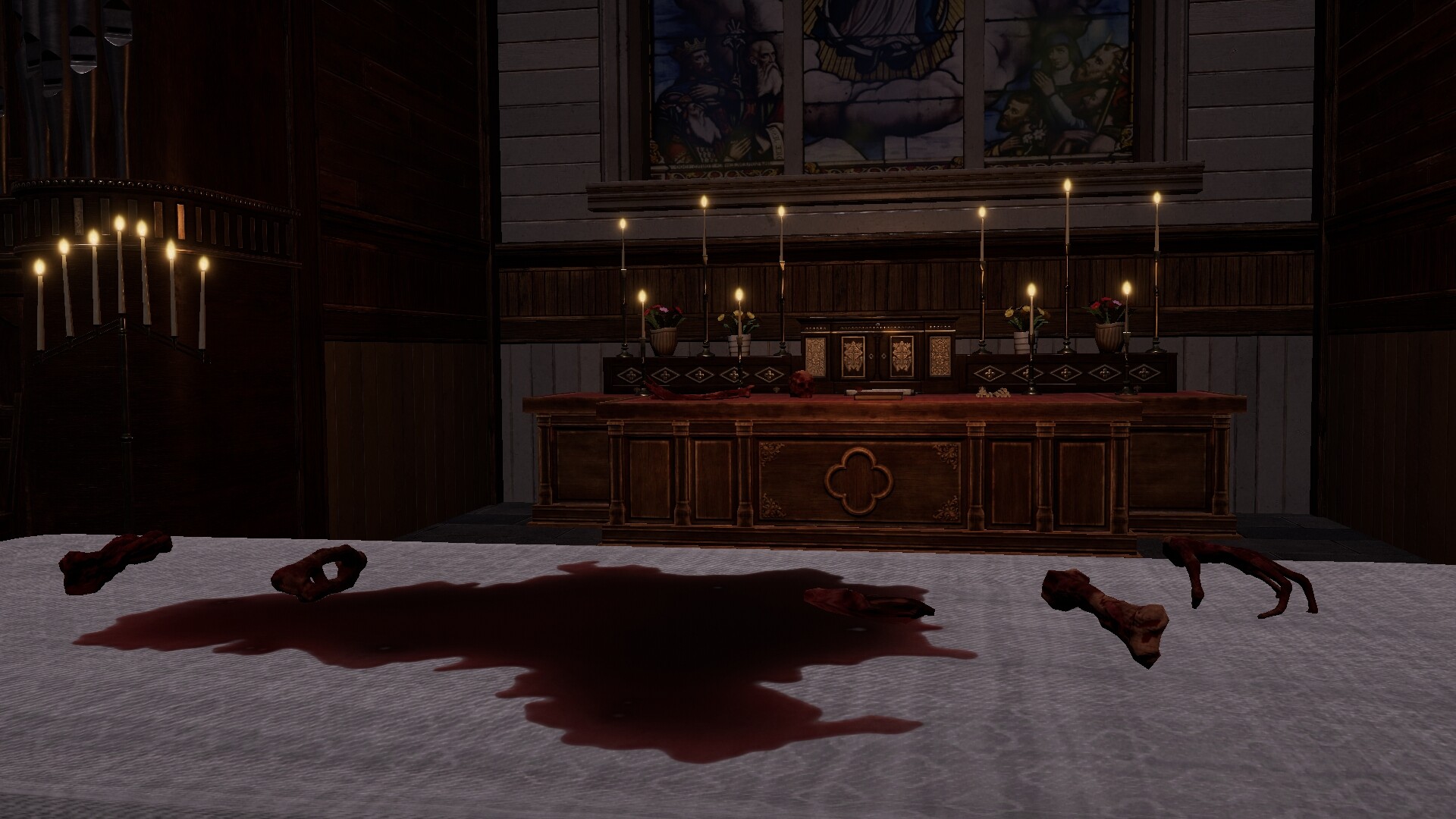
When and where to get it
Trace of the Villa is available on Steam; its release date is 28 May, 2026. If you want to see the Steam page or wishlist it, use the official store link below.
View Trace of the Villa on Steam / Wishlist
Why the mansion setting matters for puzzle design
Mansions make for compact yet layered worlds: multiple rooms preserve discrete sets of evidence, architectural quirks create natural puzzles (locked rooms, power panels, hidden compartments), and period furnishings provide tangible clues. In Trace of the Villa the mansion functions as both a physical puzzle and a narrative artifact: restoring power and reactivating systems uncovers new puzzles in a chain, so one solved lock often provides the context or key for the next. That locked-room thinking — treating each section as a node in a larger web of evidence — encourages environmental reading and rewards patient assembly of a timeline.
How progression and clue-chains work (what to expect)
- Initial reconnaissance: read rooms and note anomalies — missing photos, personal effects left in mid-use, and sealed doors.
- Systems restoration: some puzzles become solvable only after restoring electricity or re-enabling devices; this opens new areas and data sources.
- Fragmented evidence: safes and hidden compartments yield documents and manifests that must be cross-referenced — the narrative advances as you piece encrypted fragments together.
- Layered reveals: Early puzzles unlock access to deeper systems; expect interlocking puzzles where environmental context and extracted data feed one another.
Player scenarios — who should wishlist it right now
- You like slow-burn, atmospheric mystery adventure and want a game that prioritizes reading the scene over combat or quick-time events.
- You enjoy logical chains of evidence — unlocking one item leads to details that change your understanding of the next puzzle.
- You prefer single-player, story-driven explorations with accessibility options (subtitles, no timed input) and comfortable pacing controls.
- You want a mansion mystery that leans into procedural uncovering (power restoration, secured systems) rather than transient arcade puzzles.
How it compares to nearby mystery/puzzle games
| Title | Genre(s) | Atmosphere & pacing | Puzzle focus | Exploration style / player fit |
|---|---|---|---|---|
| Trace of the Villa | Action · Adventure · Indie | Mansion mystery, investigative, slow-burn | Environmental puzzles, locked doors, document forensics, systems restoration | Single-player narrative investigation; for players who like clue chains and reading spaces |
| The Room | Adventure · Indie | Claustrophobic, puzzle-box focused, measured pace | Tactile mechanical puzzles centered on a single mysterious object | Ideal for players who love focused, object-centric puzzle solving |
| The Room Two | Adventure · Indie | Expands the same tactile, puzzle-driven tone across varied locales | Complex mechanical and logic puzzles with tight, room-scale emphasis | For players who enjoy a sequence of curated puzzle rooms with strong tactile feedback |
| Escape Simulator | Adventure · Casual · Indie · Simulation | Playful, physics-heavy, variable pacing (community rooms) | Highly interactive, object manipulation, sandboxes and co-op options | Best if you like experimenting, co-op or user-created rooms and physics puzzles |
| Hi-Fi RUSH | Action | Fast, music-synced combat and high tempo | Action-oriented systems with rhythm mechanics rather than environmental puzzles | Not a narrative puzzle title — for players seeking action and rhythm gameplay |
YouTube discovery
If you want trailer or gameplay footage, try searching for Trace of the Villa trailers and gameplay on YouTube: Search Trace
Leave a Reply