
Trace of the Villa: a slow-burn mansion mystery anchored by missing-person stakes
Trace of the Villa centers on Jin, a man whose long search for his missing sister leads to a remote, decaying mansion full of erased identities and encrypted traces of movement. The game promises clue-driven exploration, environmental storytelling, and a tension that pivots less on jump scares and more on what the house keeps refusing to say.

| Title | Trace of the Villa |
| Steam AppID | 3483660 |
| Release date | 28 May, 2026 |
| Developer / Publisher | Steadyturtle Co., Ltd. |
| Genres | Action, Adventure, Indie |
| Key categories | Single-player; Color Alternatives; Custom Volume Controls; Playable without Timed Input; Subtitle Options; Family Sharing |
Who should wishlist this
If you look for narrative curiosity driven by character motivation — players who prefer investigations led by a protagonist with a personal stake — this is aimed at you. The central premise names Jin and his search for a missing sister; the emotional engine is missing-person urgency rather than an abstract puzzle hook. Expect slow-burn suspense and environment-first storytelling rather than nonstop action or arcade pacing.
What the game is, in practice
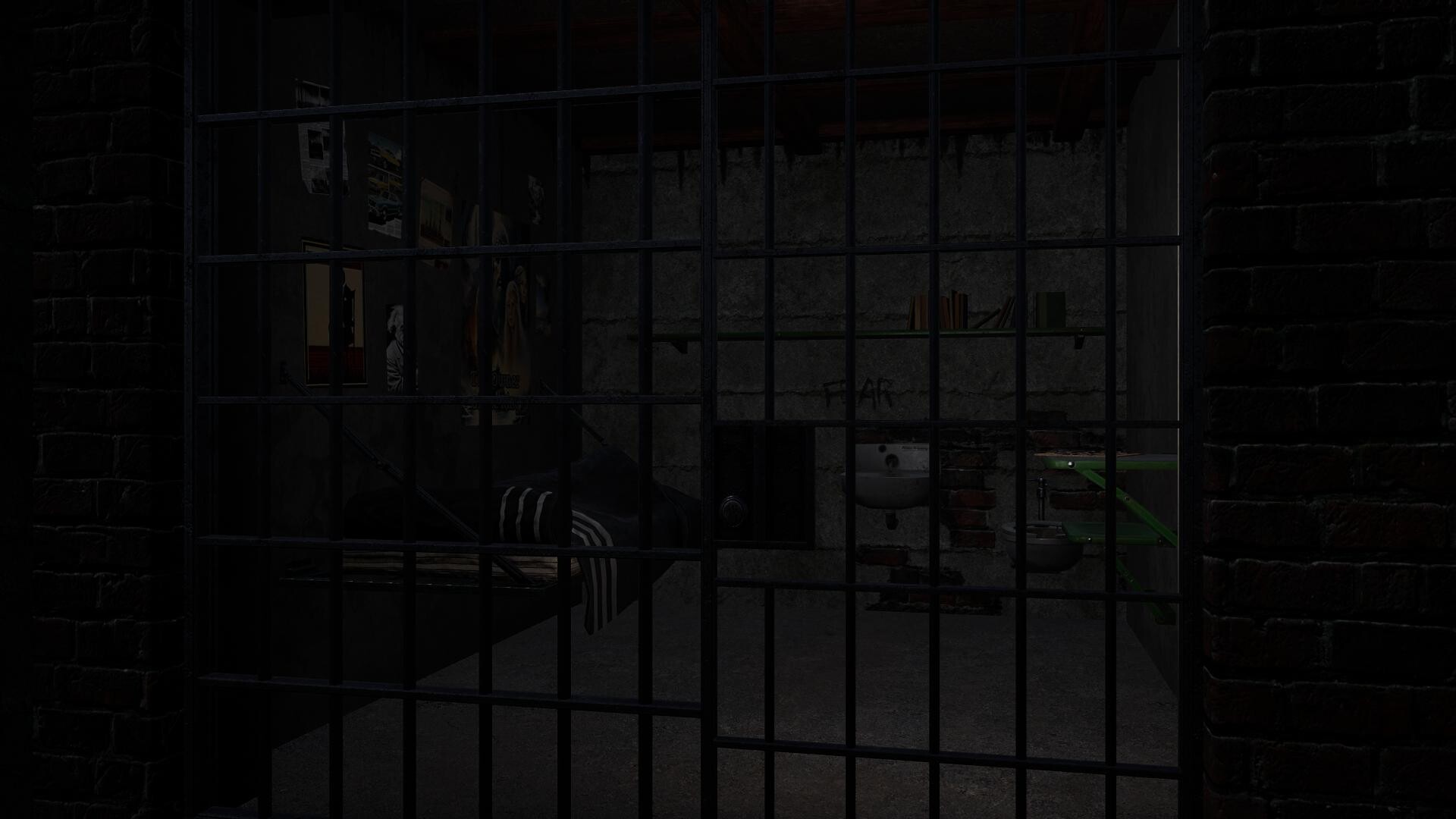
According to the official Steam description, Jin’s lead brings him to “a decaying mansion, a property cut off from the grid and deliberately forgotten.” Inside, rooms feel “less abandoned than erased”: furnished but missing names, photos, or histories. When Jin restores power, “secured systems come back online” and “safes yield fragments of encrypted documents and suspicious transfer records.” In short: you progress by reading manifests and recovered hints, restoring systems, and following financial and identity trails that reveal a larger, concealed operation.

When and where to play
Trace of the Villa is available on Steam for PC as of 28 May, 2026. The Steam page lists Steadyturtle Co., Ltd. as both developer and publisher and classifies the game under Action, Adventure, and Indie. The Steam store page also notes accessibility options like subtitle support and color alternatives, plus the usual single-player listing.
Why the missing-person stakes matter here
What separates an atmospheric mansion game from one that lingers in your head afterward is who’s driving the investigation. Jin’s motivation — a sister who may still be alive according to recovered manifests and hints — converts otherwise decorative clues into charged evidence. A torn photograph or an encrypted transfer record isn’t just background texture; it could point toward whether someone survived, fled, or was deliberately anonymized. That moral urgency reframes inventory and logbook reads into decisions with consequence for a named person.
How you read clues and progress
- Restore systems: The official copy emphasizes that restoring power brings the house back online — secured systems, hidden compartments, and safes reactivate as part of the progression loop.
- Piece together manifests: You gather manifests and fragments of documents that create a timeline; these are the primary narrative breadcrumbs pointing toward people who passed through the estate under control.
- Decrypt and connect: Evidence includes encrypted documents and suspicious transfer records; solving puzzles often means unmasking financial or identity trails rather than only solving mechanical locks.
- Follow the trail: Each puzzle solved “uncovers another layer of a carefully concealed operation” — progression is iterative and investigative rather than purely challenge-focused.
Player scenarios — who will enjoy Trace of the Villa
- Investigative slow-burn fans: You enjoy games where tension grows from accumulating details and the protagonist’s personal stakes, not from constant combat or time pressure.
- Environmental storytellers: If you like reconstructing lives from interiors — diaries, manifests, and set dressing — and finding that those details shift how you read the narrative, this fits.
- Puzzle-plus narrative players: You prefer puzzles that unlock story beats (safes, encrypted files, restored systems) rather than abstract mechanical challenges detached from plot.
- Atmosphere-first adventurers: You want a decaying, off-grid location whose silences feel intentional; the story is discovered by exploration more than by exposition-heavy cutscenes.
How it compares — editorial table
| Title | Genre / core focus | Atmosphere / story tone | Puzzle & exploration | Player fit (editorial) |
|---|---|---|---|---|
| Inscryption | Adventure / Strategy — card-based, escape-room puzzles | Psychological, abrasive, frequently meta | Card mechanics intersect with puzzle and escape-room design | For players who want mechanical novelty and psychological twists; less about environmental clue-reading. |
| Outer Wilds | Action / Adventure — open-world mystery | Curious, cosmic, exploratory | Exploration and systems puzzles across a solar system; discovery-driven | For players who love organic exploration and piecing together a systemic mystery; wider scope than a single mansion. |
View Trace of the Villa on Steam
YouTube discoveryFor trailer and gameplay discovery, use YouTube search rather than relying on unverified embeds: Find Trace of the Villa trailer and gameplay searches on YouTube. CommentsMore posts |
Leave a Reply