
Trace of the Villa: an inspection-heavy, locked-room mystery for players who read rooms like books
Trace of the Villa places you in a decaying mansion where a personal investigation—manually restoring power, unlocking hidden compartments and piecing together encrypted fragments—drives the narrative. For players who prefer object logic, environmental puzzles and slow-burn, clue-chain progression over twitch reflexes, this Steam release looks designed to reward careful inspection and pattern-reading.

Quick facts
| Title | Trace of the Villa |
|---|---|
| Steam AppID | 3483660 |
| Release date | 28 May, 2026 |
| Developer | Steadyturtle Co., Ltd. |
| Publisher | Steadyturtle Co., Ltd. |
| Genres | Action, Adventure, Indie |
| Categories (selected) | Single-player; Color Alternatives; Custom Volume Controls; Playable without Timed Input; Subtitle Options; Family Sharing |
| Official short description | Jin has spent years searching for his missing sister, pursuing leads that took him to a remote, decaying mansion where he recovered manifests and hints that indicate his sister may still be alive, somewhere at the end of the trail he is about to follow. |
Who should wishlist Trace of the Villa?
This is aimed at players who prefer slow-burn suspense and investigative pacing: people who enjoy reading environments for narrative cues, solving chained puzzles rather than isolated minigames, and treating inventory objects and room details as primary evidence. If your favorite games prize object logic and the satisfaction of linking physical clues into a timeline, this will likely fit your tastes.
What it is (and what it isn’t)
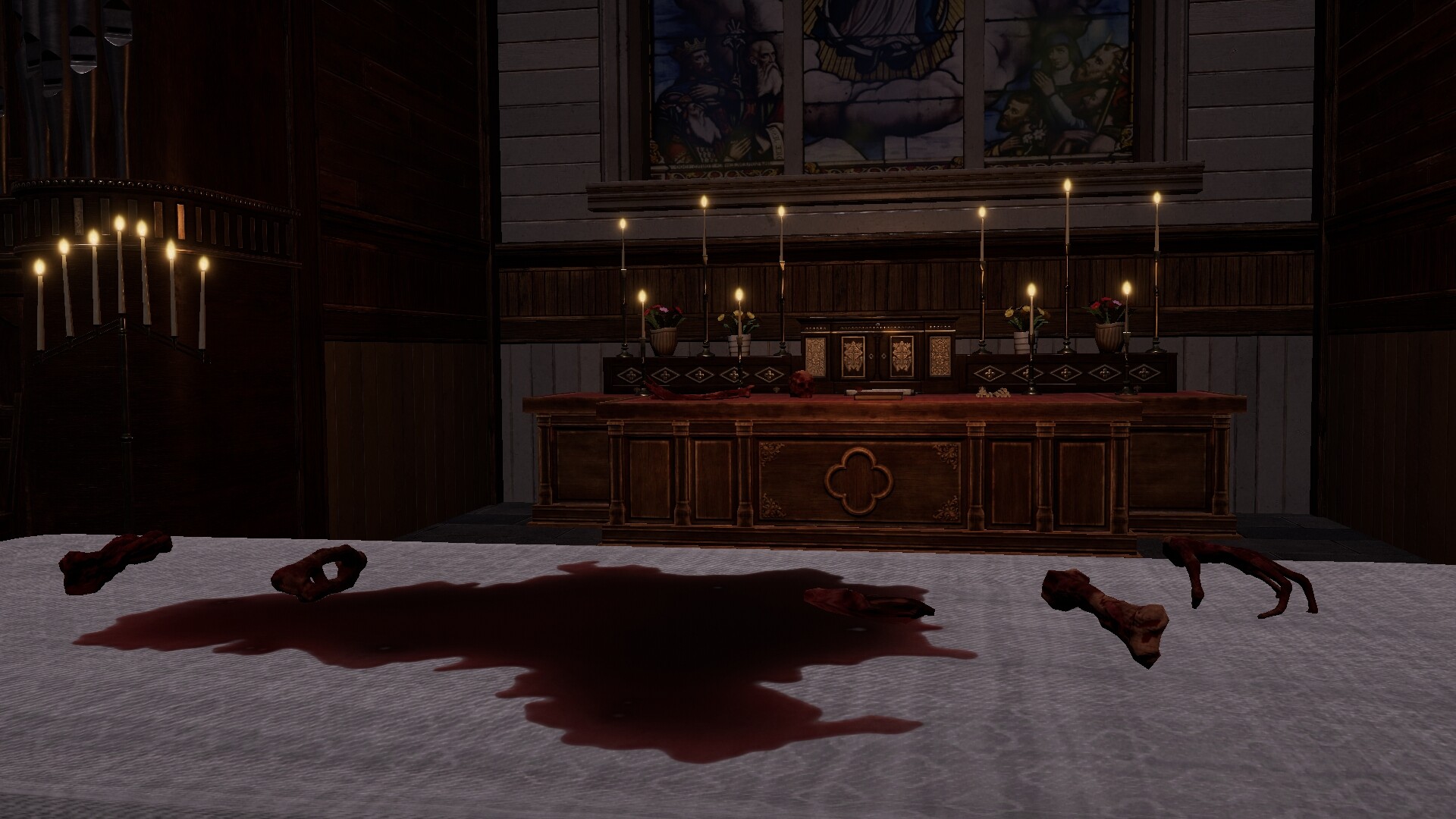
Trace of the Villa is presented as an atmospheric mystery adventure built around a protagonist, Jin, following leads to a deliberately forgotten mansion. According to the official Steam description, the game emphasizes restoring estate systems (power), uncovering hidden compartments and safes, and assembling fragments of encrypted documents and transfer records that reveal an organized, concealed operation. That language positions the game around environmental storytelling and inspection-heavy progression rather than speed-based or combat-first setpieces.

When and where: Steam/PC context
Trace of the Villa launched on Steam on 28 May, 2026. It’s listed on the Steam store as a PC title in Action / Adventure / Indie genres and includes accessibility and convenience features such as subtitle options, custom volume controls and the ability to play without timed input—details that signal a design leaning toward thoughtful investigation over twitch mechanics.
Why the mansion setting matters for puzzle design
The official description repeatedly frames the house as “erased” — rooms preserved mid-routine, locked doors with hastily secured secrets, records missing or falsified. That framing shapes puzzle design in two concrete ways: first, objects and room placement become narrative evidence (you’re not only unlocking a door, you’re reading why a door was locked); second, systems restoration—bringing power back to an estate—acts as a mechanical lever that changes the environment and unlocks subsequent clues. Those factors make environmental reading and methodical inspection central to progress.
How you likely progress: object logic and clue chains
The Steam text explicitly mentions restoring power, secured systems coming back online, hidden compartments unlocking, and safes yielding fragments of encrypted documents and suspicious transfer records. Taken together, that suggests a progression loop where: (1) examine a room to spot anomalies, (2) use found items or fix estate systems to change the scene, (3) gather partial documents or ledger entries, and (4) assemble those fragments into a timeline that opens new areas or reveals identities. In short—inspection-heavy gameplay that rewards chaining small discoveries into larger revelations.
Player scenarios — who will get the most out of this game
- Quiet investigator: You like spending time cataloguing small, interrelated clues. You’ll enjoy piecing together fragments of identity and finance records to map a hidden operation.
- Environmental storyteller fan: If you prefer stories told through objects and room state instead of cutscenes, the mansion’s “erased” atmosphere should appeal.
- Puzzle-lover who dislikes timers: The Steam listing’s “Playable without Timed Input” category signals puzzles you can methodically solve at your own pace.
- Accessibility-minded players: Subtitle options and custom volume controls are present on the Steam page—helpful if you rely on visual and audio clarity while inspecting.
How it compares to other inspection-forward mystery/puzzle games
Below is a focused editorial comparison on lawful criteria—genre, atmosphere, puzzle style, exploration, story tone and pacing—so you can judge fit rather than rank quality.
| Title | Genre(s) | Atmosphere & Story Tone | Puzzle focus | Exploration & Pacing |
|---|---|---|---|---|
| Trace of the Villa | Action, Adventure, Indie | Decaying mansion, erased identities, personal investigation | Environmental puzzles, object logic, inspection-heavy clue chains (power restoration, safes, hidden compartments) | Slow-burn, methodical exploration; discovery unlocks further systems |
| The Room | Adventure, Indie | Mysterious, intimate puzzle-box setting | Mechanics-focused puzzle boxes and tactile object manipulation | Focused, room-by-room puzzle progression with deliberate pacing |
| The Room Two | Adventure, Indie | Cryptic and atmospheric; extends the puzzle-box tone | Complex puzzle devices and layered mechanisms | Structured chapters of escalating puzzles; contemplative pace |
| Escape Simulator | Adventure, Casual, Indie, Simulation | Brightly interactive escape-room style; community-made variety | Highly interactive object manipulation, physics, and tool use | Variable pacing—some rooms are fast puzzle runs, others slow discovery |
Editorial note: Trace of the Villa’s emphasis on restoring estate systems and reading financial/document fragments places it closer to environmental mystery than to purely mechanical puzzle-boxes, though players who enjoy The Room’s focused tactile puzzles may still appreciate the attention to object detail.
Screenshots that show the approach
Trailer and further media
Search for gameplay and trailer footage on YouTube: Trace of the Villa trailer & gameplay (YouTube search). This is a discovery path rather than a claim of an official channel; use it to find publisher trailers or playthroughs.
Decide for yourself — Steam listing and wishlist
If you prioritise object logic, environmental storytelling and inspection-led puzzle chains, add Trace of the Villa to your Steam wishlist or visit the store page for details.
Disclaimer
Referenced titles and trademarks belong to their respective owners. Comparisons here are editorial discovery only, based on genre, atmosphere, puzzle focus, exploration style, story tone and pacing described in public information.
Leave a Reply