
Trace of the Villa: a locked-mansion mystery built around power, access, and evidence
Trace of the Villa drops you into Jin’s investigation of a decaying, off-the-grid mansion where manifests and hints suggest his missing sister may still be alive. The game’s core loop — restore power, unlock rooms, reconstruct fragmented evidence — centres environmental reading and chained puzzles into a slow-burn, atmospheric mystery adventure.

| Title | Trace of the Villa |
|---|---|
| Release date | 28 May, 2026 |
| Developer / Publisher | Steadyturtle Co., Ltd. |
| Genres | Action, Adventure, Indie |
| Categories / Features | Single-player; Color Alternatives; Custom Volume Controls; Playable without Timed Input; Subtitle Options; Family Sharing |
| Steam page | View Trace of the Villa on Steam |
Who is this for?
If you prefer environmental storytelling and detective pacing over constant combat bursts, Trace of the Villa is aimed at players who enjoy clue-driven exploration and locked-room thinking. The premise centres on Jin, whose years-long search for his missing sister leads him to a deliberately forgotten estate; players who value reconstructing narratives from fragments — manifests, encrypted documents, transfer records — will find the detective through-play appealing.
What the game is
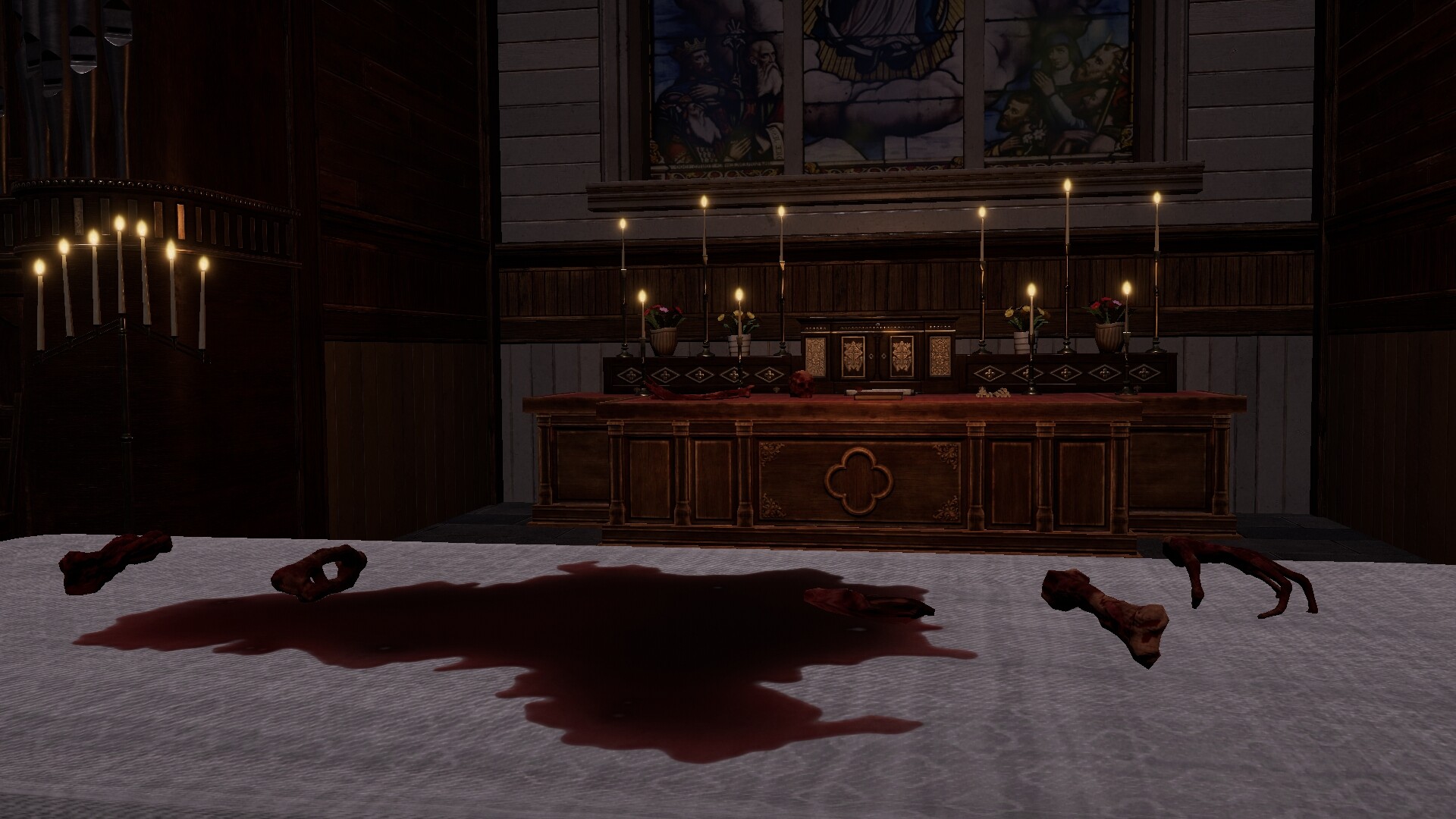
Trace of the Villa is a narrative puzzle-adventure set in a remote, decaying mansion. According to the official Steam description, rooms feel “less abandoned than erased”: furnishings are left in mid-routine, locked doors hide hastily secured secrets, and identities seem to have been removed. When Jin restores power to the estate, secured systems come back online, hidden compartments unlock, and safes yield fragments of encrypted documents and suspicious transfer records that piece together a larger operation.
When and where
Trace of the Villa released on Steam on 28 May, 2026. It appears on the Steam store as a PC title developed and published by Steadyturtle Co., Ltd.; the Steam page lists standard accessibility and options such as subtitle support, custom volume controls, color alternatives and a “playable without timed input” tag, which indicate a focus on reading and solving rather than twitch mechanics.
Why the theme matters: atmosphere and trust
The mansion’s tone — rooms preserved but intentionally anonymised, financial trails that lead nowhere, and movements “masked behind fals…” (as the description trails off) — creates a psychological investigation more than a simple treasure hunt. That thematic weight makes the act of restoring power significant: it’s not just gameplay gating, it’s the mechanics mirroring discovery. Power reactivation shifts the mansion from static tableau to an active system, revealing secured logs, safes, and digital traces that transform environmental details into evidence.
How you read clues and progress
Gameplay is built around chains of interlocking actions. The description highlights three recurring pillars: restoring power, unlocking spaces, and reconstructing evidence. Practically, that looks like:
- Restore local power to reactivate locked electronic systems and lights — once powered, devices and secured doors present new puzzles.
- Search rooms that were “erased” for physical clues: manifests, personal effects, and hidden compartments; these supply leads to safes or encrypted fragments.
- Assemble documents and follow financial or transfer records to reveal how occupants moved through the estate and why identities were stripped — each solved puzzle unlocks another node in the clue chain.
That chain-based design rewards environmental reading and patient cross-referencing: a piece found in a drawer may be the key to a circuit breaker, which then turns on a terminal that displays a log needed to decrypt a safe. The result is locked-room thinking reinterpreted for a modern, systemic mansion puzzle.

Player scenarios — which run fits you?
- Slow-burn explorers: If you savour atmospheric pacing and connecting small, ambiguous details into a larger narrative, the power-unlock-investigate loop gives steady reveals rather than instant answers.
- Puzzle chain builders: Players who like multi-step problem chains — find item A to restore subsystem B to access location C — will appreciate the game’s locked-room logic translated into a whole estate of interdependent systems.
- Story-first investigators: If the motive and human element matter, the personal stake (Jin’s missing sister) threads emotional urgency through evidence reconstruction and financial trail following, keeping the mystery grounded in character.
How it compares to nearby mystery/puzzle games
The table below compares Trace of the Villa to a few related titles on lawful editorial criteria: genre, atmosphere, puzzle focus, exploration style, story tone, and pacing. This is editorial discovery — no endorsement or superiority claims implied.
| Title | Primary genre & focus | Atmosphere & pacing | Puzzle & exploration style | Player fit |
|---|---|---|---|---|
| Trace of the Villa |
Leave a Reply