
Trace of the Villa: a locked‑room, clue‑chain mystery that uses power, safes and systems to tell its story
Jin arrives at a deliberately forgotten mansion and, by restoring its power, forces the house to expose secured systems, safes and fragments of a hidden operation. Trace of the Villa (Steadyturtle Co., Ltd.) is an atmospheric Action/Adventure indie on Steam that strings environmental reading and document fragments into a slow‑burn, clue‑driven investigation.

Who, what, when and where
Who: players who prefer slow‑burn suspense, environmental storytelling and locked‑room thinking over twitch reflexes.
What: Trace of the Villa is an Action / Adventure / Indie title in which protagonist Jin follows leads to a decaying mansion and reconstructs its hidden history.
When / Where: released on Steam on 28 May, 2026; available on PC via its Steam page.
Developer / Publisher: Steadyturtle Co., Ltd.
Why the theme matters: power, systems, safes, documents
The game frames its puzzles around returning the estate to a working state: when Jin restores power, “secured systems come back online. Hidden compartments unlock. Safes yield fragments of encrypted documents and suspicious transfer records.” That design choice makes puzzle progression literal and mechanical — the environment itself is a chain of locked systems that each reveal narrative fragments when reactivated.
Because the mansion’s identities appear erased — “no photographs, no names, no history” — the core investigative activity is reconstructive: reading rooms as evidence, chaining document fragments to financial traces, and mapping how arrivals and departures were obfuscated. That makes the game less about isolated contraptions and more about reading a living crime scene through systems restoration.

How you progress: clue chains and environmental reading
Progress in Trace of the Villa is staged: returning utility and authority to the estate unlocks new investigative pathways. Official notes mention that restoring power brings “secured systems” back online and that safes and hidden compartments yield “encrypted documents and suspicious transfer records.” Expect puzzle beats that alternate between mechanical reactivation (power, locks, safes) and interpretive work (reading manifests, following financial traces).
That “locked‑room thinking” rewards patience and pattern recognition: a single unlocked system can reveal a document that reframes an earlier clue, creating chains that tie rooms, records and arrivals together. The narrative stakes are explicitly personal — Jin’s missing sister — which focuses the clue trail toward a timeline and pattern rather than abstract puzzles alone.
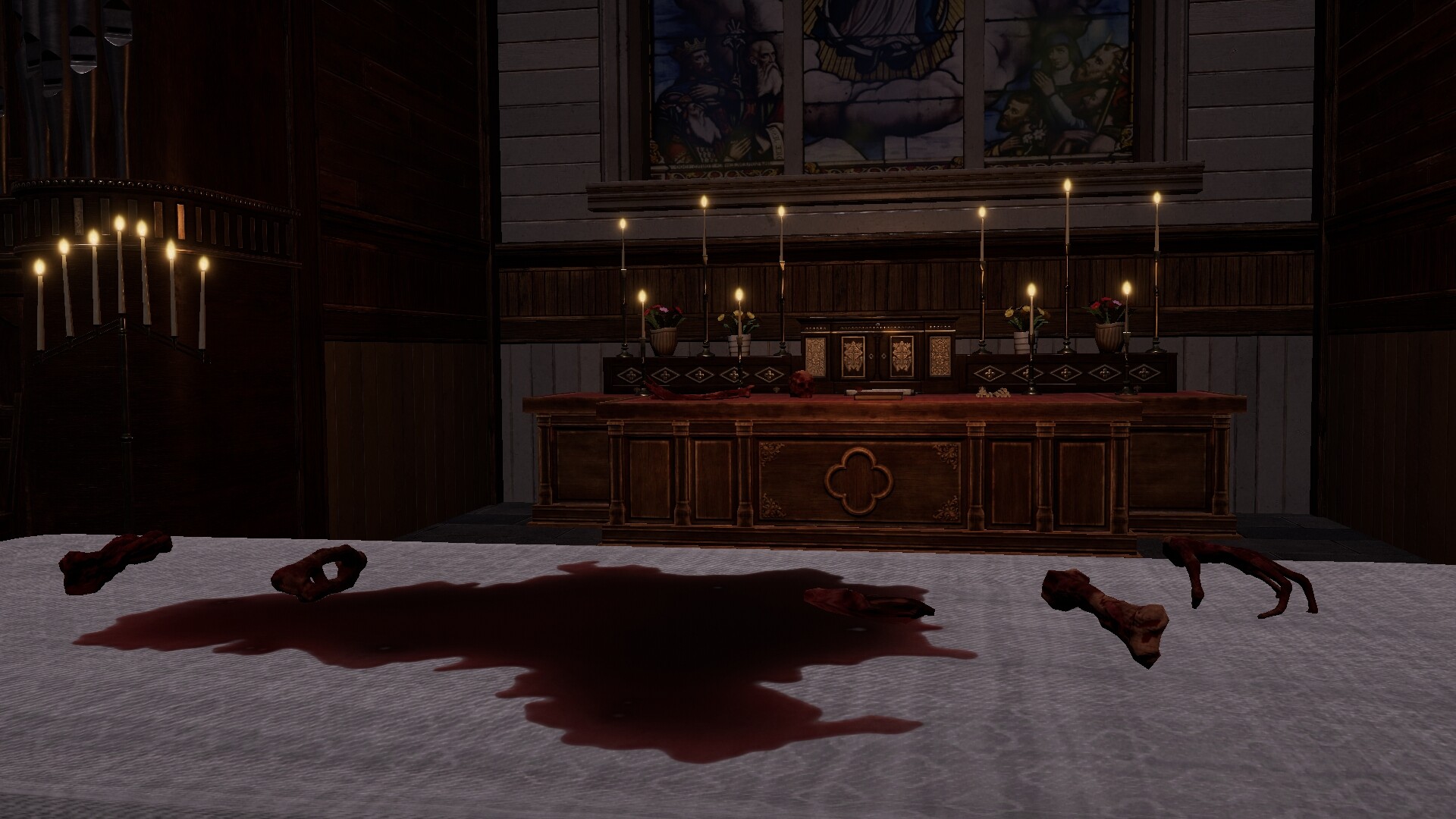
Practical details and accessibility
On Steam the title is listed with categories that matter to puzzle players: Single‑player, Playable without Timed Input, Subtitle Options, Color Alternatives, Custom Volume Controls and Family Sharing. Those options signal that the game supports careful, unhurried investigation and accessibility for players who need reading or audio adjustments.
Compact facts: Trace of the Villa
| Title | Trace of the Villa |
|---|---|
| Steam AppID | 3483660 |
| Release Date | 28 May, 2026 |
| Developer / Publisher | Steadyturtle Co., Ltd. |
| Genres | Action, Adventure, Indie |
| Key Categories | Single‑player; Playable without Timed Input; Subtitle Options; Color Alternatives; Custom Volume Controls; Family Sharing |
| Official premise | Jin searches for his missing sister at a remote mansion and recovers manifests and hints suggesting she may still be alive. Restoring power reveals secured systems, safes and encrypted documents. |
Who should wishlist it — specific player scenarios
- The methodical detective: you prefer reading environments top to bottom, following document chains and tracing timelines rather than reflex challenges.
- The narrative puzzle player: you want story beats to be unlocked by mechanical actions (power, safes, systems) so plot discovery feels earned and logical.
- The accessibility‑conscious explorer: you value subtitle options, no timed input and color alternatives that let you focus on clues without artificial pressure.
- The locked‑room thinker: you enjoy puzzles that interlock — solve one system and you change the rules for the next — especially when those systems also move the plot.
How it compares — editorial discovery
Below is a concise editorial comparison with nearby mystery/puzzle titles. This is a tonal and design comparison, not a value judgment.
| Title | Genre(s) | Puzzle focus | Atmosphere / Tone | Best for |
|---|---|---|---|---|
| The Room | Adventure, Indie | Single‑object mechanical safes and tactile puzzles built around a central locked device | Mysterious invitation and intimate, tactile unease | Players who like close‑up mechanical puzzles and tactile solutions |
| The Room Two | Adventure, Indie | Sequential mechanical puzzles that escalate across set pieces | Cryptic, secluded — a gradually unfolding mystic atmosphere | Those who prefer a series of ornate puzzle chambers and escalating set pieces |
| Escape Simulator | Adventure, Casual, Indie, Simulation | Highly interactive rooms with physics, object manipulation and community rooms | Playful, varied — often workshop and community driven | Players who want sandbox interactivity, co‑op options and community content |
| Trace of the Villa | Action, Adventure, Indie | System restoration, safes and encrypted documents that form narrative clue chains | Slow‑burn, mansion mystery with erased identities and procedural secrecy | Investigative players who want puzzles tied to narrative systems and forensic environmental reading |
Where to watch trailers and gameplay
Search YouTube for Trace of the Villa trailer or gameplay to find trailers and footage; use this discovery path: View Trace of the Villa on Steam
YouTube discovery
For trailer and gameplay discovery, use YouTube search rather than relying on unverified embeds: Find Trace of the Villa trailer and gameplay searches on YouTube.
Leave a Reply