
Trace of the Villa — an atmospheric, clue-driven mansion mystery
Trace of the Villa tasks you with piecing together a trail of evidence in a decaying mansion where identities and records have been erased. The game leans on environmental storytelling, object logic, and layered puzzles that reveal fragments of a larger operation without spelling everything out.

Who this is for
If you enjoy slow-burn suspense and story-rich adventure on PC — players who prioritize atmospheric mystery, careful clue-reading, and puzzles that act as narrative evidence — Trace of the Villa is squarely aimed at that audience. It also fits players who prefer single-player exploration with accessibility options listed on Steam such as subtitle options, color alternatives, and no timed input requirements.
What the game is (the facts)
Trace of the Villa is an Action / Adventure / Indie title developed and published by Steadyturtle Co., Ltd. on Steam. The protagonist, Jin, investigates a remote, decaying mansion after discovering manifests and hints suggesting his missing sister may still be alive somewhere along a trail he has to follow.
| Title | Trace of the Villa |
|---|---|
| Steam AppID | 3483660 |
| Developer / Publisher | Steadyturtle Co., Ltd. |
| Genres | Action, Adventure, Indie |
| Categories (selected) | Single-player; Color Alternatives; Custom Volume Controls; Playable without Timed Input; Subtitle Options; Family Sharing |
| Release date | 28 May, 2026 |
When and where — Steam context
Trace of the Villa released on Steam on 28 May, 2026. The Steam store page lists the developer and publisher as Steadyturtle Co., Ltd. and highlights accessibility and single-player categories that make the game approachable for players who dislike timed mechanics or prefer adjustable presentation options.
How the puzzle mechanics shape story evidence — without spoiling anything
The official description emphasizes that restoring power to the mansion is a turning point: secured systems come back online, hidden compartments unlock, and safes yield fragments of encrypted documents and suspicious transfer records. Taken together, those design choices speak to three puzzle-driven storytelling techniques:
- Clue reading: Puzzles produce discrete pieces of evidence rather than whole answers. Manifests and encrypted fragments act as clues you assemble into a narrative hypothesis.
- Object logic: Physical items and locked containers are used as diegetic gates — solving a mechanical or electronic puzzle is the in-world action that reveals a document, ledger entry, or system log.
- Story puzzles: Rather than a single exposition dump, narrative details are layered across puzzles: financial trails, falsified identities, and transfer records accumulate to suggest a pattern without overt explanation, encouraging players to connect dots themselves.
Those systems let the player control pacing of discovery. Each solved puzzle changes the mansion’s state (power, systems, access) and hands you new, credible evidence to interpret. That approach preserves mystery: you learn the contours of what happened without the game forcing a single, explicit summary at every step.
Why the theme matters — identity, erasure, and player inference
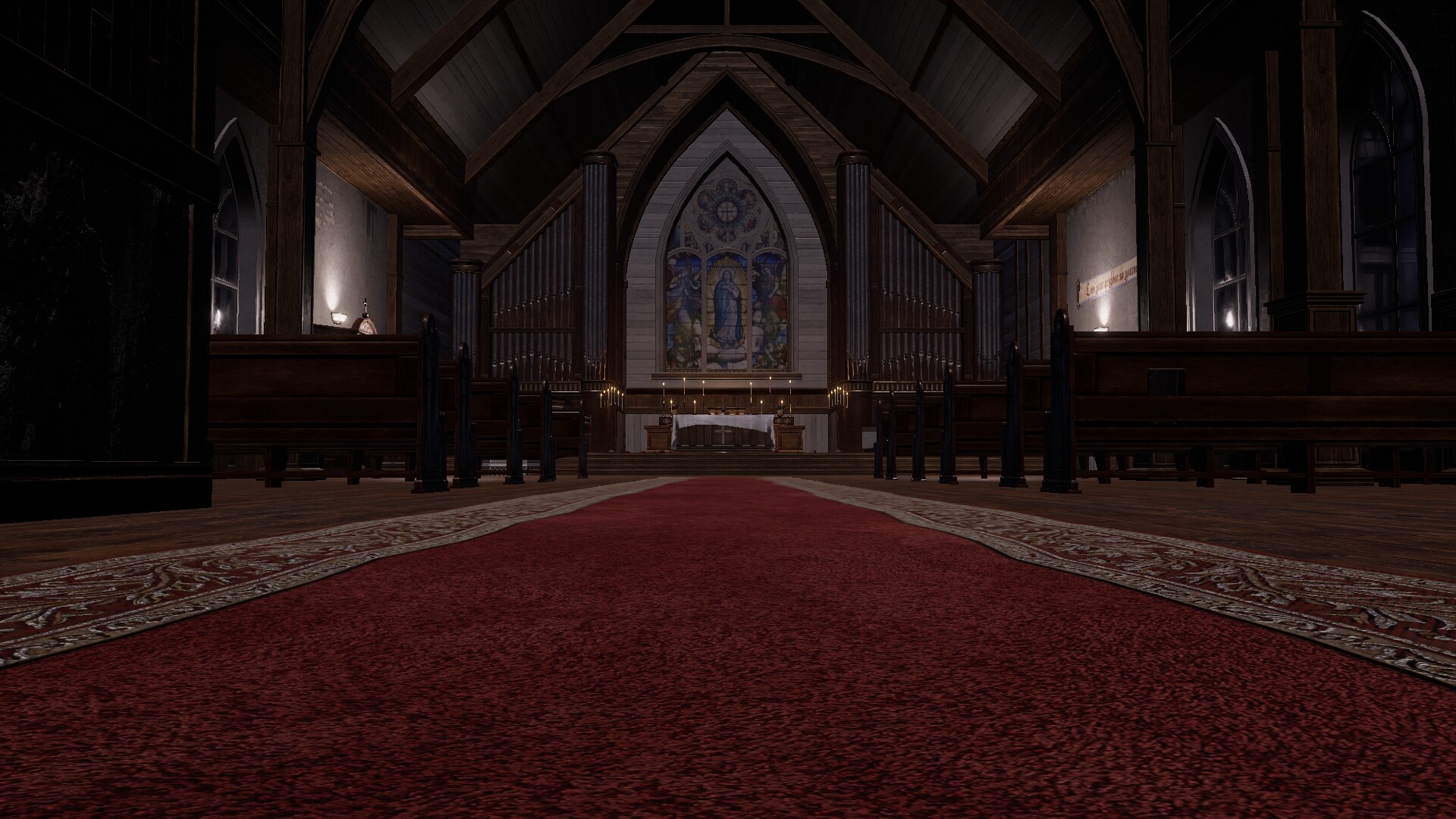
The mansion’s defining conceit — rooms furnished but identities removed, arrivals without records, departures without witnesses — turns environmental detail into a storytelling engine. When a game removes names and photos and then feeds you fragments via puzzles, it forces you to make inferences. That tension between visible detail and missing context is central to why the theme resonates: players who enjoy interpreting traces and drawing their own conclusions will find the structure rewarding.
Player scenarios — who should wishlist this
Concrete scenarios where Trace of the Villa fits your tastes:
- You like slow, investigative pacing and want puzzles that incrementally reveal a broader conspiracy rather than constant jump scares.
- You prefer single-player PC mystery adventures with accessibility options (no timed input, subtitles, color alternatives) listed on the Steam page.
- You enjoy environmental storytelling and piecing together narratives from physical evidence — manifests, ledgers, encrypted fragments — rather than cutscene-led exposition.
- You want a mystery where solving mechanical and electronic puzzles is the primary way to unlock new story elements and in-world records.
How it compares — lawful editorial discovery
Below is a compact comparison showing how Trace of the Villa sits near other puzzle-focused titles based on genre, atmosphere, puzzle focus, exploration style, and pacing. This is editorial context only, using publicly available descriptions.
| Title | Puzzle Focus | Atmosphere / Tone | Exploration Style | Pacing / Player Fit |
|---|---|---|---|---|
| Trace of the Villa | Clue-driven puzzles that unlock systems, safes, and encrypted documents | Decaying mansion, slow-burn suspense, erased identities | Environmental exploration with mechanics that change the estate’s state (power/systems) | For players who prefer story puzzles and inference over constant action |
| The Room | Mechanical, tactile puzzles centered on a mysterious safe and device puzzles (official description) | Mysterious, intimate, curiosity-driven | Focused, room-based puzzle sequences | Players who enjoy handcrafted, object-focused puzzle boxes |
| Escape Simulator | Highly interactive escape-room puzzles; physical manipulation of objects | Varies by room; playful to tense depending on level | First-person, room-by-room escape room design; solo or co-op | Players who like open interaction and community-made rooms (solo or multiplayer) |
| Unpacking | Puzzle about item placement that reveals life details | Zen, reflective, intimate | Static domestic spaces with narrative revealed via objects | Players who prefer gentle narrative discovery and daily-life storytelling |
Practical notes before you wishlist
- Official Steam details: developer/publisher Steadyturtle Co., Ltd.; release date 28 May, 2026; genres Action / Adventure / Indie; categories include Single-player, Subtitle Options, Playable without Timed Input, and Color Alternatives.
- The game’s storytelling hinges on piecing together manifests, encrypted fragments, and transfer records revealed through puzzles — expect inference and deduction rather than explicit answers at every turn.
- If you value accessibility settings and dislike strict timed inputs, the Steam page lists options that accommodate those preferences.
YouTube discovery
If you want to see trailers or gameplay clips, use this YouTube discovery path (search results) to find videos related to Trace of the Villa: search Trace of the Villa on YouTube.
Leave a Reply