Trace of the Villa — why quiet tension and uncertainty matter more than cheap shocks
Trace of the Villa strips horror down to a slow-building sense of wrongness: a decaying mansion, missing people, and a protagonist following a trail of manifests that hint at something larger. It’s a story-rich, atmosphere-first entry on Steam that favors restraint, environmental storytelling, and puzzle-driven investigation over jump-scare spectacle.

Quick facts
| Title | Trace of the Villa |
|---|---|
| Release date | 28 May, 2026 |
| Developer / Publisher | Steadyturtle Co., Ltd. |
| Genres | Action, Adventure, Indie |
| Steam categories | Single-player; Color Alternatives; Custom Volume Controls; Playable without Timed Input; Subtitle Options; Family Sharing |
| Steam page | Trace of the Villa on Steam |
Who this is for
- Players who prefer atmosphere and creeping dread to loud, reactive scares.
- Fans of mansion mysteries, environmental storytelling, and narrative puzzle design.
- Anyone who likes clue-driven exploration and piecing together a timeline from fragments rather than being told everything up front.
- Players who value accessibility options and a less twitch-driven cadence — the Steam listing notes it’s playable without timed input and includes subtitle and custom-volume options.
What the game is (official premise)
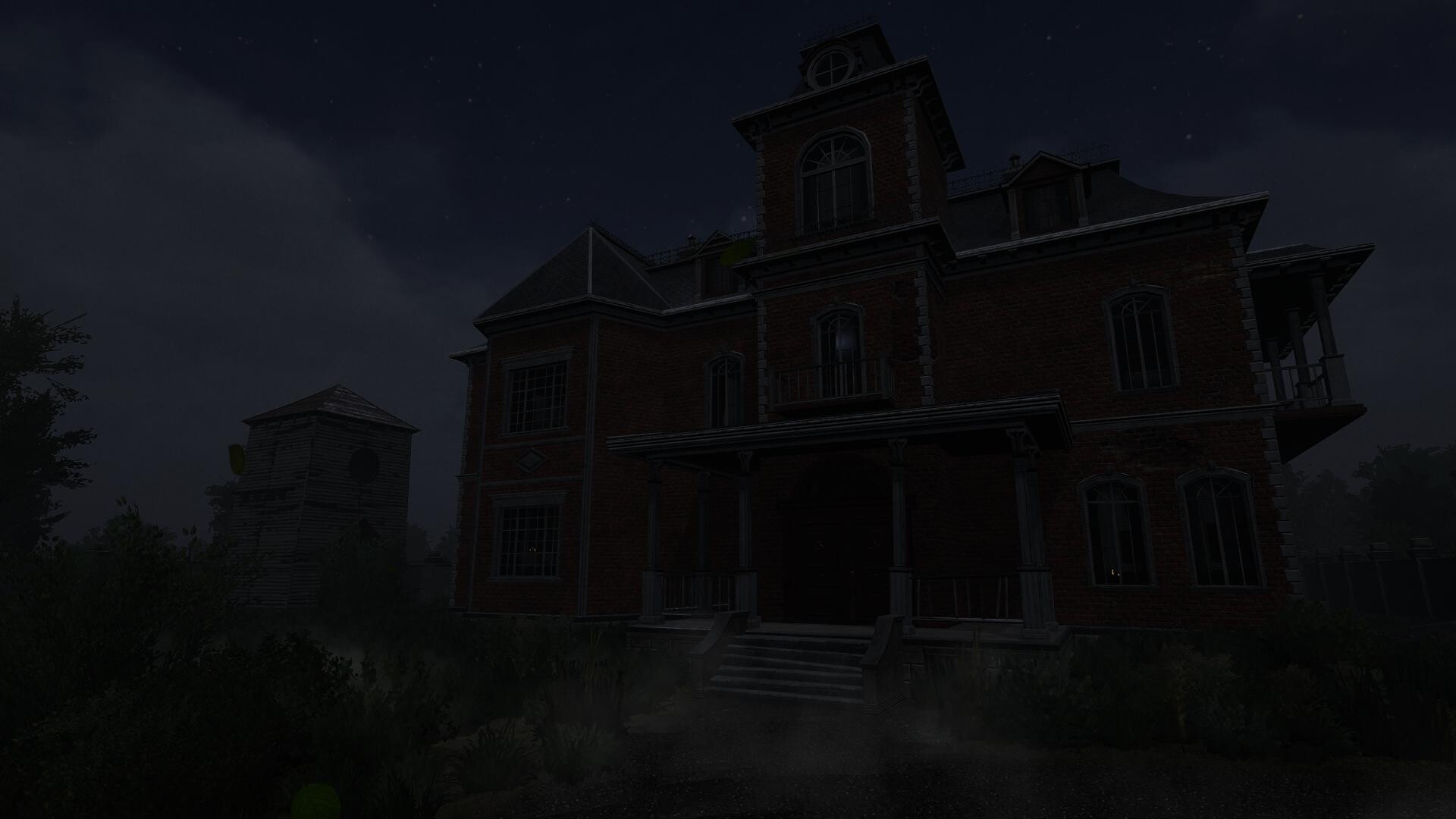
The Steam short description positions Trace of the Villa around Jin, who has spent years searching for his missing sister and follows a lead to a remote, decaying mansion. According to the official description, the estate appears deliberately forgotten: furnished rooms with no recent records, locked doors, and personal belongings with no names or photographs. Restoring power to the property reveals secured systems, hidden compartments, safes and encrypted documents; manifests and hints suggest Jin’s sister may still be alive and that the mansion was part of a larger, concealed operation.
When and where
Trace of the Villa launched on 28 May, 2026 and is listed on Steam. The Steam store page and the game’s categories indicate a PC-targeted single-player experience with options like subtitles and custom volume controls that support a focused, story-first play session.
Why quiet tension and uncertainty matter
Psychological horror that leans on restraint asks a different question of players: not “When will the jump happen?” but “What does this silence mean?” Trace of the Villa uses absence as a design choice — missing records, erased identities and muted systems convert a mansion into an investigative space. That persistent uncertainty does two things: it heightens attention to detail (you read item descriptions, logs and manifests more carefully) and it stretches dread across exploration instead of compressing it into single-scream moments. For players who want to feel unsettled between discoveries rather than repeatedly startled, this approach pays dividends.
How you progress — the investigation loop
The Steam description lays out a clear investigative arc: restore the estate’s power, bring systems back online, unlock secured areas, and recover manifests and encrypted documents. Progress is driven by environmental puzzles and the gradual revelation of financial and identity anomalies — falsified identities, transfer records, and arrivals/departures that don’t add up. The “playable without timed input” category reinforces that the experience rewards careful reading and thoughtful problem-solving rather than quick reflexes.
Visual examples

How it compares — selective editorial context
To help decide whether Trace of the Villa fits your tastes, here’s a short editorial comparison to a few well-known psychological and atmospheric horror titles. This table focuses on genre, tone, puzzle and exploration style rather than reviews or popularity.
| Title | Release | Genre / Focus | Atmosphere & Pacing | Puzzle / Exploration |
|---|---|---|---|---|
| Trace of the Villa | 28 May, 2026 | Action / Adventure / Indie | Mansion mystery, slow-burn suspense built from absence and erased identity | Clue-driven, restore systems, unlock safes, read manifests and documents |
| Amnesia: The Dark Descent | 8 Sep, 2010 | Action / Adventure / Indie | Immersive, dread-heavy, designed to create ongoing helplessness | Exploration and survival emphasis; environmental storytelling |
| SOMA | 21 Sep, 2015 | Action / Adventure / Indie | Sci‑fi, existential dread; atmosphere over reflexive combat | Story-focused exploration with puzzle and narrative beats |
| Layers of Fear (2016) | 15 Feb, 2016 | Adventure / Indie | Psychological, Victorian mansion tone; shifting spaces and story-driven unease | Exploration and narrative puzzles that alter environment and perspective |
| Poppy Playtime | 12 Oct, 2021 | Action / Adventure / Indie | Toy-factory horror with more overt set-pieces and reactive threats | Puzzle mechanics (GrabPack) combined with escape/avoid sequences |
Player scenarios — who should wishlist it (and why)
- If you enjoy sitting with unease between discoveries: wishlist. Trace of the Villa rewards slow reading and quiet observation.
- If you prefer puzzle loops that feel investigative rather than combat-heavy: wishlist. The Steam page highlights restoring systems and uncovering documents as core progression.
- If you want constant jump scares and fast-paced chases: consider other options. Trace of the Villa’s emphasis is on mood and unraveling a timeline, not repeated high-adrenaline set pieces.
- If accessibility and a less twitchy pace matter: wishlist. Steam categories list subtitle options, custom volume controls,
YouTube discovery
For trailer and gameplay discovery, use YouTube search rather than relying on unverified embeds: Find Trace of the Villa trailer and gameplay searches on YouTube.
Leave a Reply