
Trace of the Villa — why quiet tension and slow-burn uncertainty matter more than cheap shocks
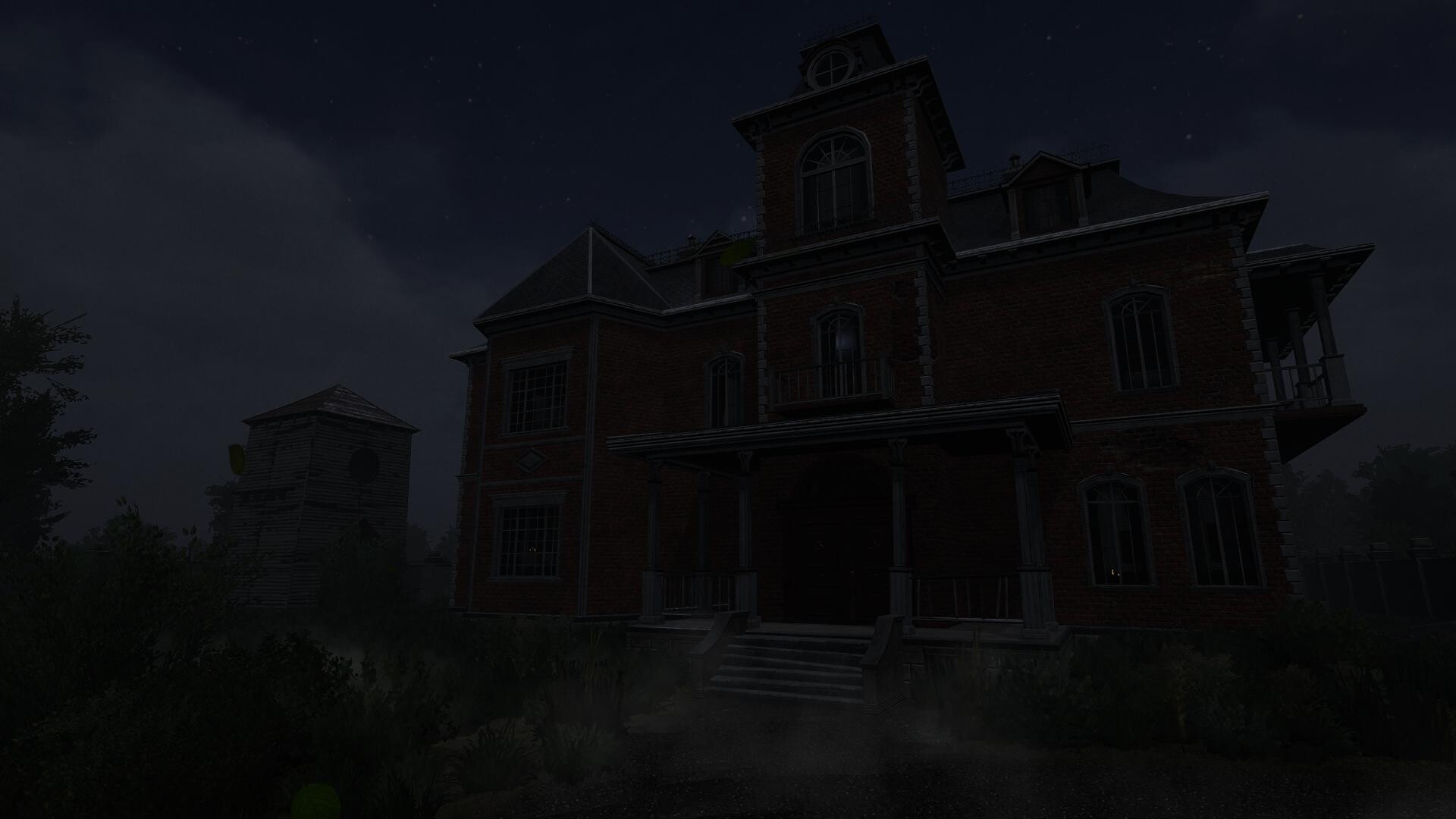
Trace of the Villa (Steadyturtle Co., Ltd., released 28 May, 2026) trades jump-scare theatrics for a patient, atmospheric investigation inside a remote, decaying mansion. The game’s promise — piecing together a vanishing past as systems come back online and hidden records surface — makes it a case study in why uncertainty and deliberate pacing can feel far more unsettling than sudden shocks.

| Title | Trace of the Villa |
|---|---|
| Release date | 28 May, 2026 |
| Developer / Publisher | Steadyturtle Co., Ltd. |
| Genres | Action, Adventure, Indie |
| Key Steam categories | Single-player; Color Alternatives; Custom Volume Controls; Playable without Timed Input; Subtitle Options; Family Sharing |
| Steam page | Trace of the Villa on Steam |
Who: which players should consider wishlisting it
Trace of the Villa is aimed at players who prefer slow-burn suspense, environmental storytelling, and investigation-driven pacing over constant action. If you enjoy methodical clue-reading, inventory-light puzzle solving, and exploration where atmosphere carries the narrative weight, this is the sort of Steam indie horror to add to your list. The presence of subtitle options, color alternatives, and “playable without timed input” suggests accessibility for thoughtful, deliberate play rather than twitch reactions.
What: the game, in concrete terms
According to the official Steam description, the protagonist, Jin, has spent years searching for his missing sister and follows a lead to a remote, deliberately forgotten mansion. Rooms look as if occupants vanished mid‑routine; identities and records appear removed. When Jin restores power to the estate, “secured systems come back online,” hidden compartments unlock, safes yield fragments of encrypted documents, and a financial and logistical pattern begins to emerge. That setup frames Trace of the Villa as an atmospheric, narrative puzzle-adventure that leans on exploration and evidence-gathering.

When / Where: availability and platform context
Trace of the Villa launched on Steam on 28 May, 2026 and is presented as a PC Steam release by Steadyturtle Co., Ltd. The Steam store page lists it under Action, Adventure, and Indie — but the core experience, as described, is investigative and narrative-driven, positioned toward single-player exploration on PC.
Why: why quiet tension and uncertainty matter
Psychological horror that depends on unresolved questions and slow reveals invites a different kind of fear: the dread of what you might discover, rather than the adrenaline spike of a jump scare. Trace of the Villa’s premise — missing people, erased identities, encrypted fragments — foregrounds ambiguity. Restoring power, reactivating systems, and reading fragmented records turn the player into a gradual revealer; the horror is in what the evidence suggests, not solely in one-off shocks. That design philosophy suits players who want reflection and creeping unease rather than spectacle.
How: reading clues and progressing through the mansion
The official description outlines a clear investigative loop: restore utilities, access secured systems, decrypt fragments, and follow financial and identity trails. Progress appears to be earned by solving environmental puzzles, unlocking safes and compartments, and assembling a timeline from scattered documents and manifests. That emphasis on recovery and reconstruction — systems returning online, safes yielding encrypted data — makes the gameplay feel like forensic work: careful, piecemeal, and potentially rewarding for players who enjoy assembling narrative from small, sometimes contradictory pieces.
How it compares — measured editorial context
The table below compares Trace of the Villa to several well-known psychological and atmospheric horror titles, focusing on genre emphasis, atmosphere, puzzle focus, exploration style, tone, and pacing. This is an editorial comparison for discovery, not claims of superiority.
| Title | Genre emphasis | Atmosphere / Tone | Puzzle & Exploration | Pacing | Player fit |
|---|---|---|---|---|---|
| Trace of the Villa | Action / Adventure / Indie (investigative, narrative) | Decaying mansion, erased identities, forensic unease | Clue-driven: restore systems, safes, encrypted documents | Slow-burn, evidence-led | Players who prefer environmental storytelling and patient investigation |
| Amnesia: The Dark Descent | Action / Adventure / Indie | Immersive, oppressive dread | Exploration with sanity mechanics and environmental puzzles | Gradual, but with frequent high-tension peaks | Players who like immersive first-person terror and vulnerability |
| SOMA | Action / Adventure / Indie (sci-fi horror) | Existential, philosophical, claustrophobic | Exploration and puzzle elements tied to narrative discovery | Measured pacing with tense set-pieces | Players who want narrative-driven, thoughtful horror with sci-fi framing |
| Layers of Fear (2016) | Adventure / Indie (psychological) | Surreal, painting-driven descent into madness | Environmental puzzles inside an ever-shifting mansion | Atmospheric and episodic, variable pacing | Players who enjoy disorienting, story-first psychological experiences |
| Poppy Playtime | Action / Adventure / Indie | Playful-cum-creepy toy-factory horror | Puzzle mechanics integrated with unique tools (GrabPack) | Brisker tempo, more scripted encounters | Players who like puzzle-action with set-piece tension and clearer set-pieces |
Player scenarios — who will get the most from Trace of the Villa
-
<
YouTube discovery
For trailer and gameplay discovery, use YouTube search rather than relying on unverified embeds: Find Trace of the Villa trailer and gameplay searches on YouTube.
Leave a Reply