
Trace of the Villa — a slow-burn missing-person mystery driven by motive and memory
Jin has spent years searching for his missing sister; a lead puts him in a remote, decaying mansion where manifests and encrypted fragments suggest she might still be alive. Trace of the Villa arrives on Steam on 28 May, 2026 from Steadyturtle Co., Ltd., presented as an Action/Adventure/Indie experience built around environmental storytelling and clue-driven exploration.

Who, what, when, where, why, and how — the essentials
Who it’s for
This is for players who prize narrative curiosity over action spectacle: you want a clear personal stake (a sibling gone missing), you enjoy environmental storytelling that asks you to piece together identity and motive, and you prefer mood and investigative tension in a single-player experience. If you appreciate slow-burn suspense and clue-based progression rather than constant combat, this will likely be in your wheelhouse.
What the game is
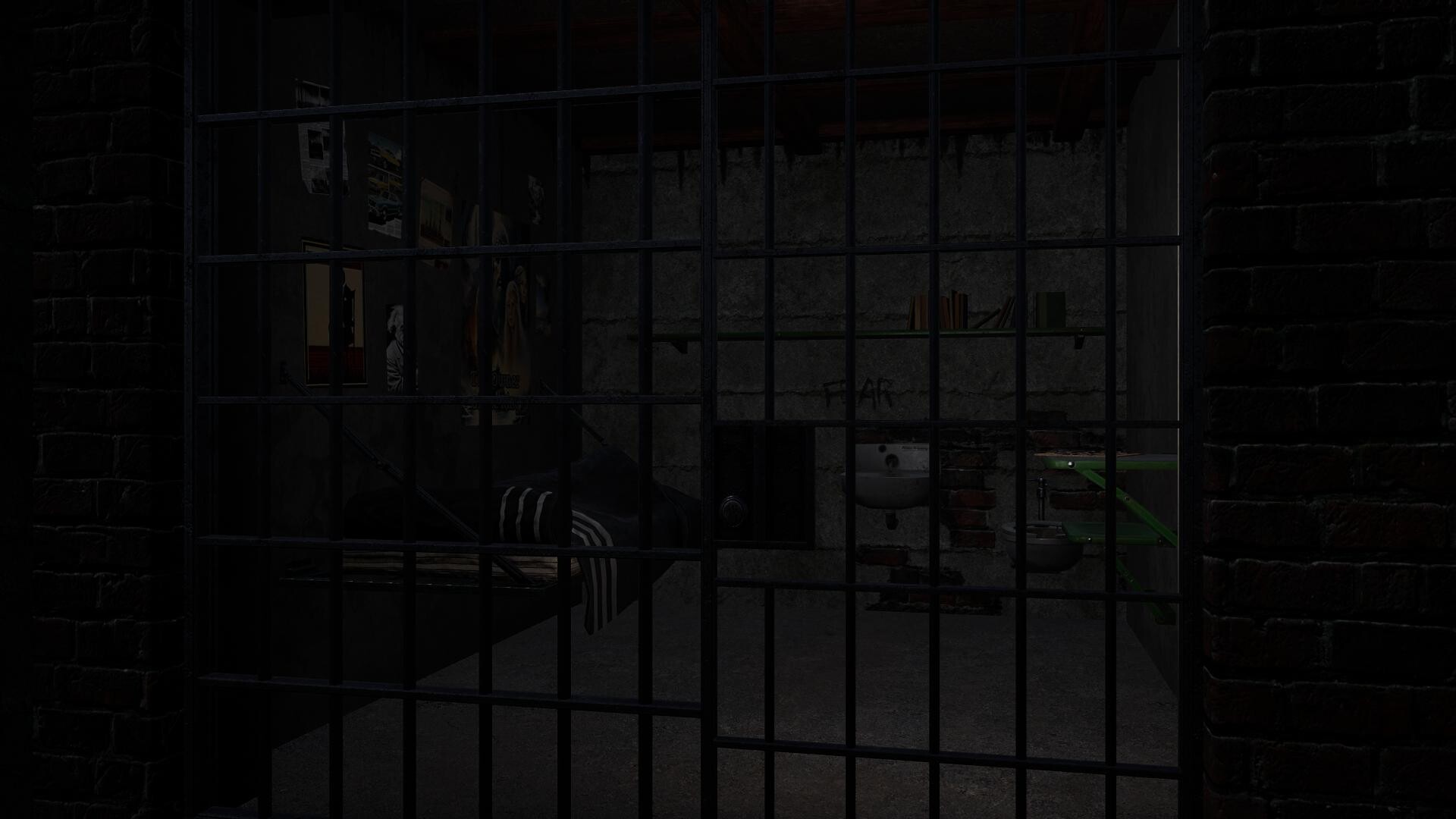
Trace of the Villa follows Jin as he investigates a deliberately forgotten estate where rooms feel “erased”: furnished but stripped of names and photographs, with locked doors and hidden compartments. Restoring power to the mansion reactivates systems and reveals encrypted documents, suspicious transfer records, and manifests that stitch together a carefully concealed operation. The official Steam listing frames the project as Action / Adventure / Indie with an emphasis on investigation and discovery.
When and where
Release date: 28 May, 2026. The game is available on Steam; use the store page to wishlist or purchase and to view official assets and system requirements.
Why the theme matters
Missing-person stakes change the reading of every clue. When the protagonist’s motive is personal—finding a sister—small discoveries acquire urgency: a ledger entry or a faint CCTV log is not just worldbuilding but potential proof that someone lived, left, or was taken. The mansion’s removed identities (no photos, no names) make motive and memory the central puzzle: who would erase a life, and why?
How you progress
The Steam description emphasizes investigative systems: restoring power, unlocking safes, decrypting documents, and following financial trails and manifests that lead “somewhere at the end of the trail.” Expect exploration-driven progress: solving environmental and narrative puzzles to make sealed systems reveal more information, and assembling fragments of evidence into a timeline that drives Jin forward.
Official screenshots

Quick facts
| Title | Trace of the Villa |
|---|---|
| Steam AppID | 3483660 |
| Release date | 28 May, 2026 |
| Developer / Publisher | Steadyturtle Co., Ltd. |
| Genres | Action; Adventure; Indie |
| Categories / Accessibility | Single-player; Color Alternatives; Custom Volume Controls; Playable without Timed Input; Subtitle Options; Family Sharing |
| Official store | View Trace of the Villa on Steam |
How Trace of the Villa compares to nearby story-rich mysteries
Below is a focused editorial comparison on tone, puzzle emphasis, and pacing — not a ranking.
| Title | Why compare | How Trace of the Villa differs |
|---|---|---|
| Inscryption | Genre-bending mystery that weaves meta-puzzles and dark atmosphere. | Inscryption foregrounds card mechanics and metafictional reveals; Trace of the Villa centers a personal missing-person investigation and environmental puzzle progression rather than a rules-layered card system. |
| Outer Wilds | Exploration-driven mystery with discovery-based worldbuilding and a patient, curious player tempo. | Both reward piecing together a timeline, but Outer Wilds is open-world and cosmic in scale; Trace of the Villa focuses on a contained estate and focused investigative beats tied to one character’s motive. |
| Journey | Atmospheric, minimal-friction exploration that uses environment and mood to tell story. | Journey emphasizes nonverbal, poetic travel; Trace of the Villa uses documents, encrypted files, and restored systems to reveal concrete narrative fragments and suspicious transactions. |
| The Forgotten City | Time-loop narrative mystery that leans on moral stakes and conversational puzzle resolution. | The Forgotten City builds puzzles around dialogue, social rules and looping mechanics; Trace of the Villa is pitched as a single-player investigation into erased identities and financial traces within a single estate. |
| The Medium | Psychological, third-person investigation of trauma and dual-reality exploration. | The Medium combines spirit-realm mechanics with horror; Trace of the Villa anchors its tension in missing-person stakes and uncovering falsified identities through physical and digital evidence. |
Player scenarios — who should wishlist this
- You like clue-driven exploration with a personal motive at the center: you’ll appreciate piecing together manifests, transfer records, and encrypted fragments that feel narratively consequential.
- You value accessibility and calm pacing: the Steam page lists subtitle options and “playable without timed input,” suggesting slower investigative play is supported.
- You prefer contained, atmospheric mysteries to sprawling worlds: Trace of the Villa keeps the story focused on a single estate and one protagonist’s search.
- You enjoy atmospheric tension and moral ambiguity over jump-scare horror or constant combat: the official description stresses erasure of identity and suppressed records rather than nonstop action.
YouTube discovery
For trailers and community videos, search results are a useful starting point: Search Trace of the Villa on YouTube. (Use this link as a discovery path — the store materials above are the official source listed on Steam.)
View Trace of the Villa on Steam
Disclaimer: referenced titles and trademarks belong to their respective owners; comparisons above are editorial discovery only and do not imply endorsement or sponsorship.
Leave a Reply