
Trace of the Villa — a clue-first mansion mystery
Trace of the Villa is a slow-burn, clue-driven mystery adventure from Steadyturtle Co., Ltd., released on Steam 28 May, 2026. You play Jin, a man following a paper trail through a remote, decaying mansion where restored power and recovered manifests reveal layered secrets — the gameplay privileges reading clues, object logic, and story puzzles over reflex-driven action.

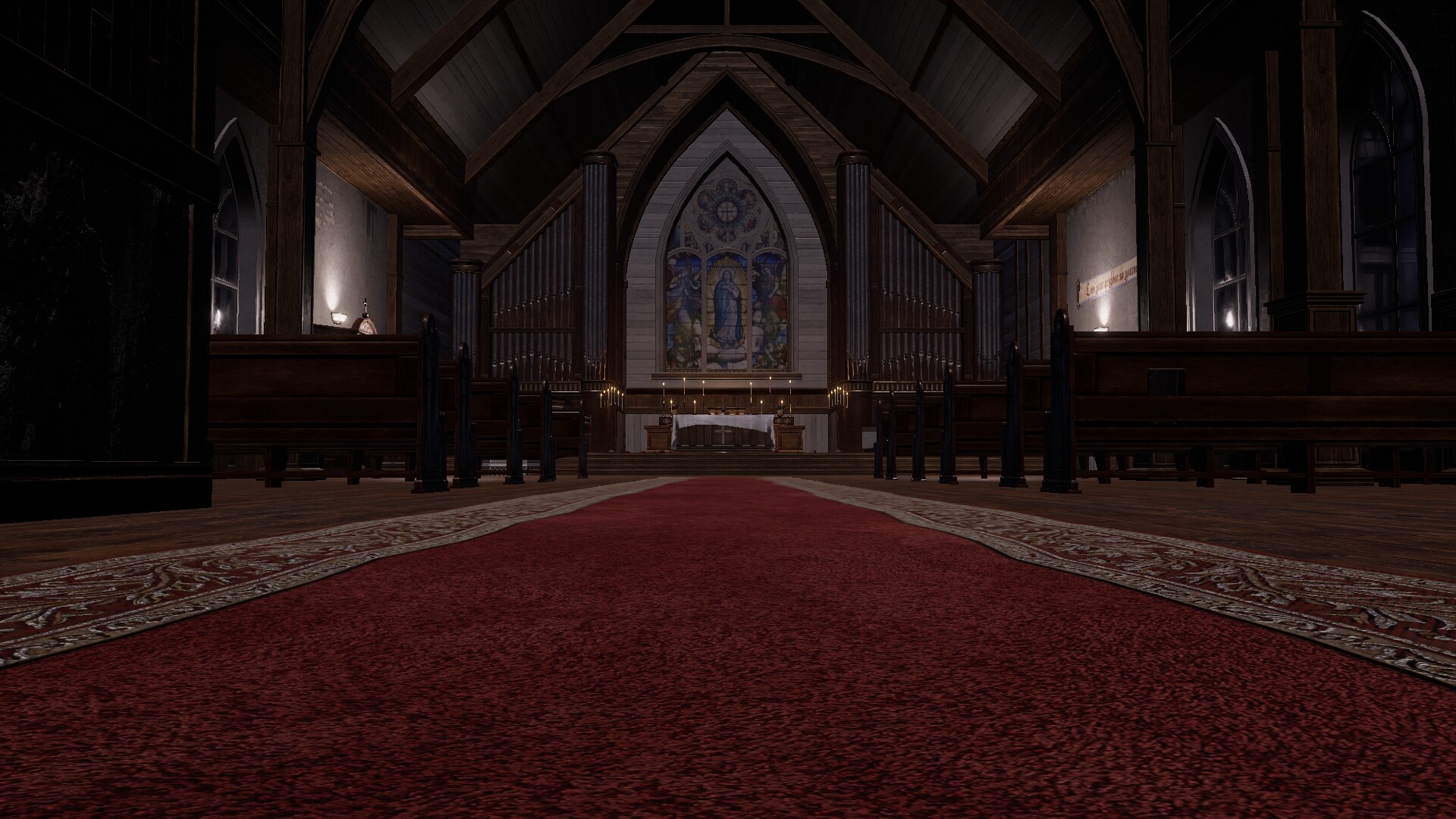
| Fact | Details |
|---|---|
| Title | Trace of the Villa |
| Release date | 28 May, 2026 |
| Developer / Publisher | Steadyturtle Co., Ltd. |
| Genres | Action | Adventure | Indie |
| Categories (Steam) | Single-player; Color Alternatives; Custom Volume Controls; Playable without Timed Input; Subtitle Options; Family Sharing |
| Store page | Trace of the Villa on Steam |
Who is this for?
Trace of the Villa suits players who prioritize atmospheric mystery and patient puzzle solving over twitch combat or fast-paced action. If you enjoy environmental storytelling, reading documents to assemble a timeline, and solving object-based logic puzzles that open narrative doors, this is aligned with that appetite. The Steam category list also signals accessibility-friendly design (playable without timed input, subtitle options), so it’s a fit for players who want contemplative pacing and clear readability.
What the game is
Officially, the premise centers on Jin, who has spent years searching for his missing sister. A new lead takes him to a remote, decaying mansion where manifests and hints suggest she may still be alive at the end of his trail. Inside, the house appears “erased”: furnished rooms, locked doors, personal belongings with names removed. When Jin restores power, secured systems and hidden compartments start to reveal encrypted documents, suspicious transfer records, and fragments of a story that was deliberately concealed.
When and where
Trace of the Villa launched on Steam on 28 May, 2026. It’s presented as a PC indie release from Steadyturtle Co., Ltd.; the Steam store page lists the game’s genres and accessibility categories and provides official visuals and a trailer thumbnail for players to preview.
Why the theme matters — clue-driven over action-heavy pacing
The mansion set-up and the design notes on restored power and encrypted manifests orient the experience toward investigative play. Rather than using combat encounters or timed skill checks, Trace of the Villa structures progression around discovering, interpreting, and applying clues: reading manifests, unlocking safes, tracking financial trails and falsified identities. That emphasis makes the game a study in narrative puzzle design — the player’s attention to small artifacts and patterns is the primary engine of discovery.
How you read clues and progress
- Clue reading: documents and manifests are core resources. They supply names, dates, and inconsistencies that lead to next steps.
- Object logic: the mansion holds locked systems and hidden compartments; manipulating the environment (restoring power, operating devices) reveals new evidence.
- Story puzzles: rather than isolated brainteasers, many challenges connect to the timeline and identities you reconstruct — solving one puzzle often unlocks a narrative fragment that guides the next effort.
These design choices mean progression rewards careful observation and deduction more than combat skill or platforming reflexes.
Player scenarios — will it suit your session style?
- Single-session investigator: Play a few hours in one sitting to methodically comb rooms, read manifests and follow a clear paper trail. The absence of timed input supports slower exploration.
- Slow-burn storyteller: If you like piecing together a family or organizational history from fragments — encrypted notes, transfer records, and missing names — the house functions like a layered dossier to unpack over multiple visits.
- Accessibility-conscious player: With subtitle options, color alternatives, and no required timed inputs, the game is approachable for players who prefer readability and less pressure.
- Action-first players: Those seeking combat or high-octane sequences may find the pacing deliberately restrained; the focus is on clues and atmosphere rather than action-heavy set pieces.
How Trace of the Villa compares to nearby puzzle-adventure experiences
| Title | Puzzle style | Atmosphere / Tone | Exploration | Pacing / Best for |
|---|---|---|---|---|
| Trace of the Villa (2026) | Clue-driven document reading, object logic, environmental puzzles |
YouTube discoveryFor trailer and gameplay discovery, use YouTube search rather than relying on unverified embeds: Find Trace of the Villa trailer and gameplay searches on YouTube. Reader decision checklistUse this checklist before deciding whether Trace of the Villa belongs on your Steam wishlist. The game is most relevant if you enjoy reading environmental evidence, following document trails, inspecting rooms for small inconsistencies, and letting a mystery unfold through objects rather than exposition. It is less about instant spectacle and more about the slow pressure of a place that seems to have been deliberately erased. SEO note for discovery-minded playersPlayers searching for atmospheric mystery adventure, clue-driven exploration, mansion mystery game, story-rich indie adventure, psychological investigation game, or narrative puzzle design are likely looking for the same core appeal: a PC game where the setting is not just a backdrop but the main source of evidence. Trace of the Villa fits that search intent because its official Steam premise centers on Jin, his missing sister, a remote mansion, restored systems, hidden compartments, safes, encrypted documents, and a trail of suspicious records. Final player-fit summaryWishlist Trace of the Villa if you want a slow investigation built around official Steam store elements: a 28 May, 2026 release from Steadyturtle Co., Ltd., a single-player PC/Steam mystery structure, official screenshots showing the mansion atmosphere, and a premise that uses the house itself as a puzzle box. The strongest fit is for players who prefer patience, observation, and narrative reconstruction over fast combat or loud horror beats. CommentsMore posts |
Leave a Reply