Trace of the Villa: Who should consider this atmospheric, evidence-led mystery adventure
Trace of the Villa (Steadyturtle Co., Ltd.) drops players into a decaying mansion where Jin follows manifests and encrypted documents that suggest his missing sister may still be alive. If you favor slow-burn suspense built around documents, dark rooms, and methodical clue-gathering, this release (28 May, 2026) is worth a close look.

Five Ws and one H (concise)
- Who: Developed and published by Steadyturtle Co., Ltd.; you play as Jin, the protagonist named in the official Steam listing.
- What: An action-adventure indie on Steam described as an investigation into a remote mansion, revealing manifests, encrypted documents, suspicious transfer records, and falsified identities.
- When: Released on 28 May, 2026.
- Where: Available on Steam for PC (store page: Trace of the Villa).
- Why: The game centers on identity erasure, financial trails and hidden systems—themes that reward players who prefer evidence-led, document-focused mysteries.
- How: According to the official description, Jin restores power, unlocks safes and secured systems, and pieces together timelines from recovered manifests and documents to follow leads.
Quick facts
| Title | Trace of the Villa |
|---|---|
| Steam AppID | 3483660 |
| Release date | 28 May, 2026 |
| Developer | Steadyturtle Co., Ltd. |
| Publisher | Steadyturtle Co., Ltd. |
| Genres | Action, Adventure, Indie |
| Categories | Single-player; Color Alternatives; Custom Volume Controls; Playable without Timed Input; Subtitle Options; Family Sharing |
What the game actually offers (from the Steam listing)
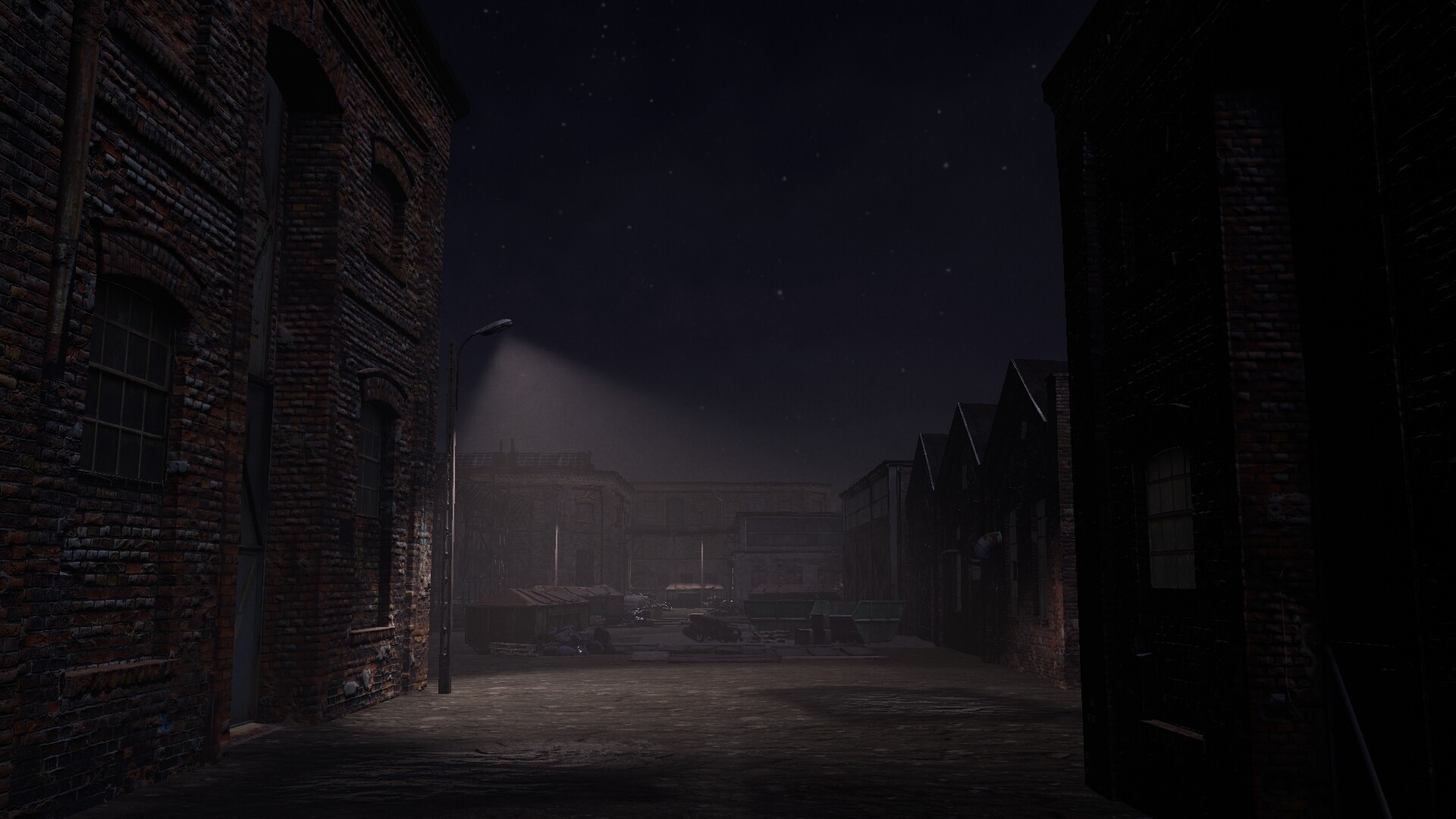
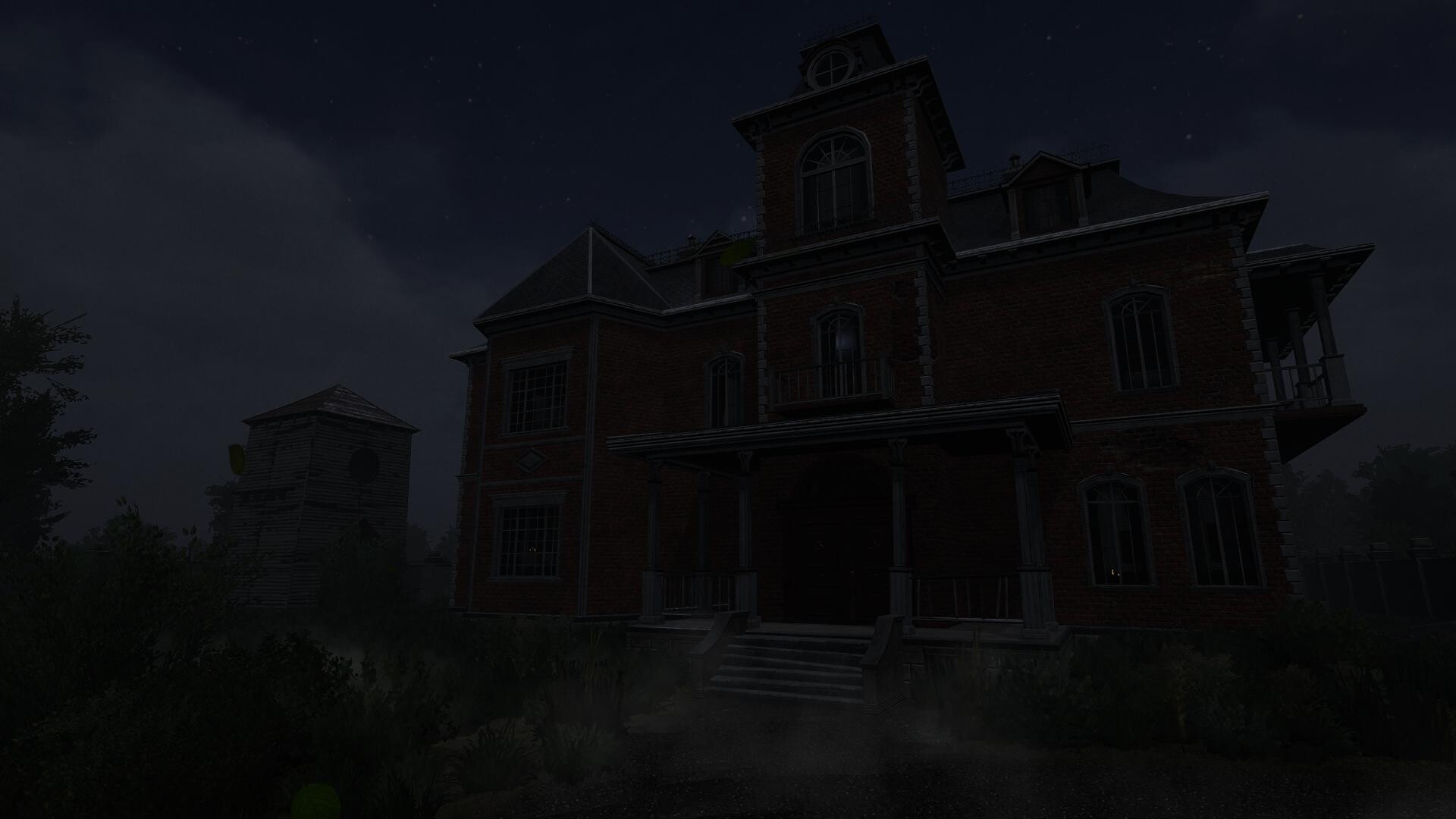
The official Steam description frames Trace of the Villa as a personal investigation that turns into the unearthing of a larger, concealed operation. Rooms look as if occupants vanished mid-routine; restoring power and accessing secured systems yields fragments of encrypted documents and suspicious transfer records. The narrative emphasis—identities removed, arrivals without records, departures without witnesses—suggests a puzzle loop built around collecting and interpreting documentary evidence rather than fast action set pieces.
How you progress: documents, dark rooms, and evidence-led investigation
The Steam copy specifically mentions restoring power, hidden compartments, safes, encrypted documents, and financial traces. From that description, the player loop appears to prioritize exploration of atmospheric interiors, reactivating estate systems, and assembling timelines from physical evidence. This is a clue-driven approach rooted in environmental storytelling and document collection—suitable for players who like to read context, cross-reference found materials, and follow a trail of evidence to unlock the next area or timeline fragment.
Who should wishlist or buy this on Steam?
Trace of the Villa is aimed at players who:
- Prefer atmospheric mystery adventure and slow-burn suspense over action-heavy pacing.
- Enjoy environmental storytelling and piecing together narratives from documents, manifests, and transactional evidence.
- Like exploration of moody interiors—mansion mysteries where context is revealed via recovered records and secured systems.
- Want accessibility options such as subtitle support and no-timed-input gameplay (both listed on Steam).
Specific player scenarios
- If you enjoyed The Room: You appreciate carefully designed, clue-driven puzzles and a focused single-room-to-small-venue investigation. Trace of the Villa’s evidence-led locks and safes will likely appeal if you liked mechanical puzzles tied to narrative reveals.
- If you liked Layers of Fear: You’re drawn to psychological tone and a Victorian/period mansion vibe. Trace of the Villa appears to favor lingering, furnished rooms and identity mysteries rather than constantly shifting architecture.
- If you came from Amnesia or SOMA: You value immersive first-person atmosphere and an investigative pace, but note Trace of the Villa’s Steam listing frames the experience more as a document- and system-driven investigation than pure survival horror.
- If you play Rusty Lake Hotel-style point-and-click puzzles: Expect a darker narrative thread and a stronger focus on documents and encrypted evidence; Trace of the Villa positions itself as a story-rich adventure with investigative puzzles rather than short vignette-based puzzles.
Comparison table (editorial discovery)
| Title | Release | Atmosphere / Tone | Puzzle & Investigation Focus | Exploration & Pacing |
|---|---|---|---|---|
| Trace of the Villa | 28 May, 2026 | Decaying mansion; slow-burn, investigative | Document- and evidence-led (manifests, encrypted docs, safes) | Methodical exploration; environmental storytelling |
| Amnesia: The Dark Descent | 8 Sep, 2010 | Claustrophobic survival horror | Immersion and survival mechanics with discovery elements | High-tension pacing; exploration under threat |
| SOMA | 21 Sep, 2015 | Sci-fi existential horror | Story-driven investigation with environmental clues | Slow-to-moderate pacing; narrative-led exploration |
| Layers of Fear (2016) | 15 Feb, 2016 | Psychological, Victorian-inspired mansion | Psychological puzzles and storytelling through rooms | Variable pacing; emphasis on mood and reveal |
| The Room | 28 Jul, 2014 | Mysterious, intimate puzzle atmosphere | Mechanical, tactile puzzle boxes; clue-driven | Focused single-room progression; puzzle-centric |
| Rusty Lake Hotel | 29 Jan, 2016 | Dark, surreal puzzle tone | Point-and-click puzzles tied to a larger mystery | Short vignette pacing; puzzle anthology style |
Note: comparison criteria are editorial and based on publicly available descriptions and genre/context data.
Where to look for trailers and gameplay
If you want to see trailers or gameplay clips, search YouTube (editorial discovery): Trace of the Villa trailers and gameplay on YouTube. This link points to search results; a matching official trailer may appear there if published.
Decision checklist: should you wishlist Trace of the Villa?
- Wishlist it if you read documents, enjoy ambient mansion atmospheres, and like clue interpretation tied to narrative progression.
Leave a Reply