
Trace of the Villa: puzzles as evidence in a slow-burn mansion mystery
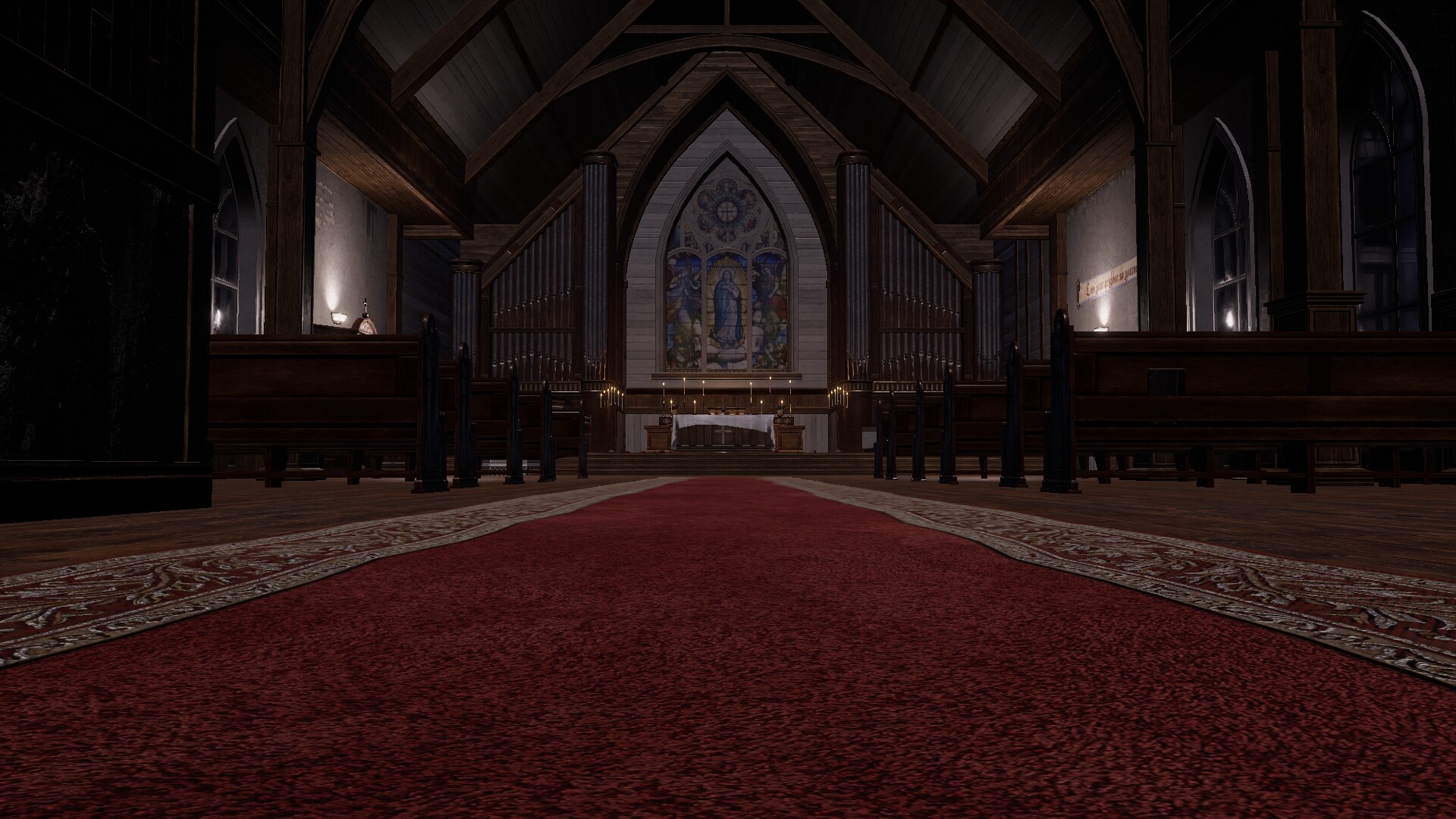
Trace of the Villa places you in Jin’s quiet, methodical search for a missing sister inside a deliberately erased, decaying mansion. Its puzzles behave less like arbitrary obstacles and more like pieces of an investigation: clues, recovered manifests and restored systems that function as evidence in a narrative reconstruction.

Who this is for
If you prefer atmospheric mystery adventure and story-driven puzzle work—players who value environmental storytelling, slow-burn suspense, and puzzle design that reads like forensic reasoning—Trace of the Villa will likely fit your taste. It targets PC/Steam players comfortable with exploration, reading clues rather than brute-force solutions, and a narrative tone that ties puzzles to tangible documentary evidence.
What the game is
Trace of the Villa (developer/publisher: Steadyturtle Co., Ltd.) is a Steam indie title described as Action / Adventure / Indie. The official short description: “Jin has spent years searching for his missing sister, pursuing leads that took him to a remote, decaying mansion where he recovered manifests and hints that indicate his sister may still be alive, somewhere at the end of the trail he is about to follow.” The full Steam description frames the mansion as a site where identities and records have been erased; restoring power and solving puzzles unlocks fragments of encrypted documents and suspicious transfer records that together form an investigative trail.
When and where
Trace of the Villa released on Steam on 28 May, 2026. It is listed on Steam with standard PC storefront supports: Single-player, Color Alternatives, Custom Volume Controls, Playable without Timed Input, Subtitle Options, and Family Sharing.
Why the theme matters: puzzles as evidence and narrative logic
Many puzzle adventures separate puzzle mechanics from story beats; Trace of the Villa ties them together. Puzzles here act like evidence-gathering: a safe that yields a ledger is not only a solved minigame but also a narrative datum that changes how you interpret movement patterns and identities in the house. That makes each solved object a shift in your working hypothesis about what happened—puzzle outcomes reshape the narrative logic rather than just open an item gate.
How you read clues and progress
According to the Steam description, progression often comes from restoring systems (power, locked mechanisms) and deciphering fragments—manifests, encrypted documents, transfer records—that cumulatively reveal a concealed operation. Expect object logic (how items relate to one another), document-reading, and context-driven unlocking rather than reflex tests: the game lists “Playable without Timed Input” and includes subtitle options and accessibility features that support careful examination over rapid reaction.

Compact facts
| Title | Trace of the Villa |
|---|---|
| Developer / Publisher | Steadyturtle Co., Ltd. |
| Release date | 28 May, 2026 |
| Genres | Action, Adventure, Indie |
| Key Steam categories | Single-player; Color Alternatives; Custom Volume Controls; Playable without Timed Input; Subtitle Options; Family Sharing |
| Steam reviews (public) | No user reviews |
How it compares — editorial snapshot
Below is a short comparison to help you decide whether Trace of the Villa matches your puzzle-adventure preferences. These comparisons focus on genre, atmosphere, puzzle focus, exploration style, story tone and pacing.
| Title | Puzzle focus | Atmosphere / Story tone | Exploration / Interaction | Suggested player fit |
|---|---|---|---|---|
| Trace of the Villa | Clue-reading, object logic, document fragments as evidence | Slow-burn mansion mystery; erasure of identity and concealed operations | Investigative, restore systems and piece together timelines | Players who want narrative puzzles that change the story’s logic |
| The Room | Mechanical puzzle boxes and tactile object-based solutions | Mysterious, intimate single-chamber focus | Focused, room-centered examination of devices | Players who enjoy tactile, finely-tuned object puzzles |
| The Room Two | Expanded mechanical puzzles with layered devices | Cryptic, exploratory continuation of intimate puzzle work | Series of interlinked rooms and devices | Fans of methodical, evolving puzzle sequences |
| Escape Simulator | Highly interactive escape-room style puzzles; physics and item use | Varied tones across rooms; playful to tense depending on map | Hands-on object manipulation and community-made rooms | Players who want interactive object physics and co-op options |
| Unpacking | Environmental, contextual puzzles about placement and life clues | Zen, domestic and narrative-through-objects | Non-time-sensitive, mood-driven placement gameplay | Players who prefer gentle, character-driven discovery |
Player scenarios — who will enjoy Trace of the Villa
- The slow detective: You like tracing paper trails, reading manifests and letting small document reveals shift your theory of events.
- The atmospheric explorer: You prefer games that reward patience, environmental observation and careful note-taking over fast action.
- The narrative puzzle fan: You want puzzles that double as story beats—solving them should reframe the mystery, not just unlock a door.
- The accessibility-minded player: You appreciate features like “Playable without Timed Input” and subtitle options that support deliberate play.
YouTube discovery
Search for trailers and gameplay footage via YouTube discovery: Trace of the Villa trailer & gameplay (YouTube search). This link is provided as a search path; consult official Steam assets for verified trailers.
Want to wishlist or buy on Steam?
If Trace of the Villa sounds like your kind of detective-driven puzzle adventure, see its Steam page here: Trace of the Villa on Steam
Disclaimer
Referenced titles and trademarks belong to their respective owners. Comparisons above are editorial discovery only and not endorsements. All game facts stated here use official Steam app data and provided research materials.
Leave a Reply