
Trace of the Villa: a mansion mystery built for locked-room thinking and clue-chain players
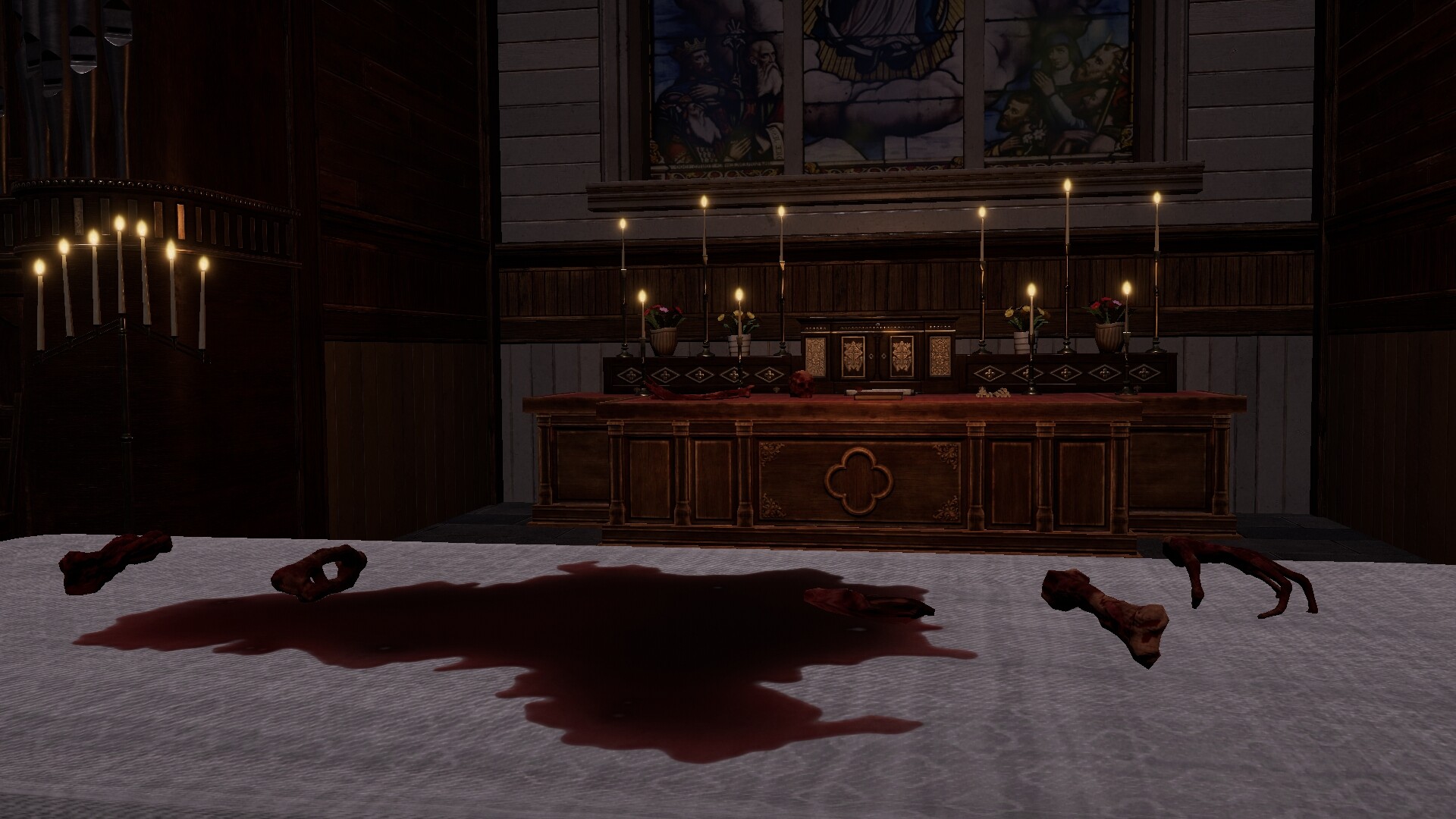
Trace of the Villa (Steadyturtle Co., Ltd.) drops players into a decaying mansion as Jin, who follows manifests and fragmented evidence that may point to his missing sister. Released on 28 May, 2026 on Steam, the game leans on environmental reading, chained puzzles and slow-burn investigation rather than reflex tests.

Quick facts
| Title | Trace of the Villa |
|---|---|
| Steam App ID | 3483660 |
| Release date | 28 May, 2026 |
| Developer | Steadyturtle Co., Ltd. |
| Publisher | Steadyturtle Co., Ltd. |
| Genres | Action, Adventure, Indie |
| Key categories | Single-player; Playable without Timed Input; Subtitle Options; Color Alternatives; Custom Volume Controls; Family Sharing |
Who is this for?
This is aimed at players who prioritize environmental storytelling and clue-driven progression over twitch gameplay. If you enjoy methodical reading of rooms, piecing together records and financial traces, or working through safes and locked doors that unlock new narrative layers, this fits. The Steam categories (Single-player, Playable without Timed Input, Subtitle Options) underline a paced, accessibility-minded experience rather than one reliant on reaction windows.
What the game actually is
According to the official Steam material, Jin investigates a remote, deliberately forgotten mansion. Restoring power to the estate is a gameplay beat that reactivates secured systems, reveals hidden compartments, and produces encrypted fragments and suspicious transfer records. The structure is investigative and puzzle-led: solving one node typically produces another clue or locked system to examine.

When and where: Steam context
Trace of the Villa launched on Steam on 28 May, 2026. It appears in Steam’s Action / Adventure / Indie genres and carries tags and categories that emphasize single-player, accessibility options and non-timed puzzle gameplay. If you’re reading this because you search Steam for mansion puzzle games or escape-room style mysteries, the game’s Steam page is the primary place to wishlist and follow it.
Why the mansion theme matters here
Mansions are a classic container for linked puzzles because they compress different micro-environments (study, conservatory, servant quarters, safe rooms) into one navigable space. Trace of the Villa uses that compression to make environmental reading meaningful: objects, missing photographs, and falsified records are not mere decoration but part of the chain that reconstructs the house’s hidden operations. The narrative stake — a protagonist searching for a missing sister — raises the cost of each discovery and keeps investigation feeling personal rather than purely academic.
How you read clues and progress
Gameplay, as described on Steam, centers on restoring systems and following evidence unlocked by puzzle solutions. Expect locked doors, hidden compartments and safes that yield encrypted documents and transfer records — each solved puzzle opens a new node on the investigative chain. That design favors players who think in cause-and-effect: inspect an area, deduce how objects interrelate, test an interaction, then trace the result into the next lead. Because the Steam listing notes the game is playable without timed input, you can approach this at a deliberate, investigative pace.
Which players should wishlist it — specific scenarios
- Slow-burn explorers who prefer reading rooms and dossiers over combat or platforming.
- Puzzle players who like chained solutions: one unlocked safe leads to a ledger that points to another locked space.
- Players sensitive to accessibility who want subtitle options and non-timed puzzle play.
- Story-first mystery players who appreciate atmosphere and investigative stakes framed by a personal search.
How it compares to nearby mystery / puzzle games
Below is an editorial comparison to help decide whether Trace of the Villa fits your tastes compared with other escape-room and mansion-style puzzle experiences on Steam.
| Title | Puzzle focus | Atmosphere & story tone | Play style |
|---|---|---|---|
| Trace of the Villa | Chained clues, safes, hidden compartments, system restoration (investigative chains) | Decaying mansion, personal missing-person investigation, slow-burn suspense | Single-player, non-timed, narrative-puzzle exploration |
| The Room | Mechanical puzzle-boxes and tactile object puzzles (single-room focused) | Isolated, uncanny, intimate mystery centered on a specific object | Single-player, object examination and manipulation |
| The Room Two | Expanded mechanical puzzles with multi-stage objects and interlocking mechanisms | Cryptic, atmospheric, with a serialized sense of discovery | Single-player, puzzle-box progression across discrete locations |
| Escape Simulator | Highly interactive escape-room environments; physics and object manipulation | Varied tones depending on room; community-made rooms broaden scope | Solo or co-op, physics-driven interactions, level editor support |
Editorial note: these comparisons focus on genre, atmosphere, puzzle emphasis and play style rather than qualitative judgments. Use them to match your preferred puzzle tempo and degree of environmental reading.
Trailer and further footage
If you want to search for trailers or gameplay videos, try the Steam/YouTube discovery path:
Search Trace of the Villa trailer & gameplay on YouTube
Note: the search link is a discovery route; the Steam data does not certify a specific video as official in this article.
Leave a Reply