
Trace of the Villa — a slow-burn mansion mystery for clue-driven players
Trace of the Villa puts a family-scaled investigation inside a remote, decaying mansion where recovered manifests and hints drive a trail toward a missing sister. Released on 28 May, 2026, the Steam page and developer notes suggest this is an atmospheric, story-rich adventure built around environmental reading, locked-door reasoning, and layered clue chains.

Who this is for
Trace of the Villa is aimed at single-player PC players who prefer slow-burn suspense and clue-driven exploration over action spectacle. The Steam metadata lists its genres as Action, Adventure, Indie and categories including Single-player, Playable without Timed Input, Subtitle Options, Color Alternatives and Custom Volume Controls — a sign the experience favors careful observation and accessibility rather than twitch reactions.
What the game is
Officially: Jin has spent years searching for his missing sister and follows a lead into a deliberately forgotten mansion, where manifests, encrypted fragments and suspicious transfer records start to reveal a larger concealed operation. Inside, rooms appear as if their occupants vanished mid-routine; restoring power makes secured systems come back online and unlocks hidden compartments. The structure described on Steam places emphasis on piecing together a timeline from physical evidence and sealed systems rather than explicit combat or timed escape-room challenges.
When and where
Trace of the Villa released on Steam on 28 May, 2026. It is developed and published by Steadyturtle Co., Ltd. and appears on Steam as a PC title (Steam appid 3483660).
Why the mansion setup matters for puzzle players
Mansion mysteries reward environmental literacy: architecture, furniture placement, power wiring and sealed safes all become narrative signposts. In Trace of the Villa the mansion is described as “less abandoned than erased,” which sets expectations for puzzles that are less about abstract logic gates and more about interpreting context — manifests, transfer records, and the traces occupants left behind. If you enjoy reconstructing events from objects and infrastructure, that locked-room thinking creates satisfying chains of cause and effect.
How you read clues and progress
The official description makes the game’s progression loop clear: restore power and systems react; safes and hidden compartments reveal documents and fragments; each recovered item leads to another discovery. That implies a design that links environmental exploration with investigative beats — reading manifests, following financial trails, and assembling a timeline — rather than pure inventory-combination puzzles or high-pressure timer sequences. The Steam category “Playable without Timed Input” reinforces that the core loop is patient, investigative play.

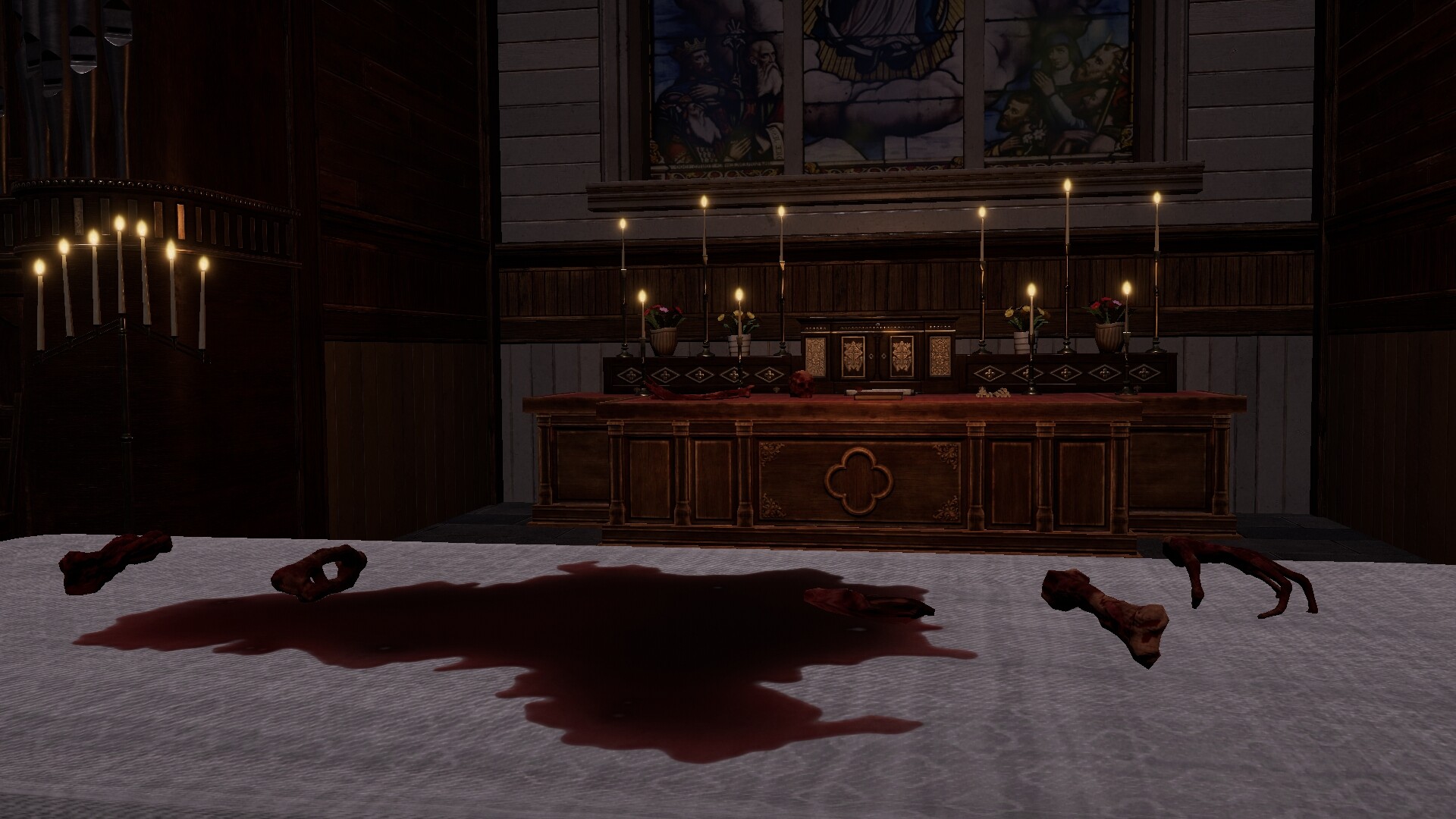
Compact facts — Trace of the Villa
| Title | Trace of the Villa |
|---|---|
| Steam appid | 3483660 |
| Release date | 28 May, 2026 |
| Developer / Publisher | Steadyturtle Co., Ltd. |
| Genres | Action, Adventure, Indie |
| Key categories | Single-player; Playable without Timed Input; Subtitle Options; Color Alternatives; Custom Volume Controls; Family Sharing |
| Short premise | Jin searches a decaying mansion for clues to his missing sister; restored systems and hidden documents reveal a deeper operation. |
Quick comparisons: where Trace of the Villa sits among mystery and puzzle peers
Below is an editorial comparison focused on atmosphere, puzzle focus and player fit — not on ratings or sales.
| Title | Primary genre / feel | Puzzle focus | Exploration style | Story tone & pacing | Player fit |
|---|---|---|---|---|---|
| Trace of the Villa | Action / Adventure / Indie — mansion mystery | Clue chains, environmental evidence, restored systems | Single-player, methodical room-to-room investigation | Slow-burn suspense; investigative and forensic tone | Players who want story-led, atmospheric reading of a space |
| The Room | Adventure / Indie — tactile puzzle box | Mechanical safes and object-based puzzles | Focused, single-room to linked-room puzzle progression | Mysterious, intimate; puzzle-driven revelation | Players who enjoy tactile, handcrafted puzzle mechanics |
| The Room Two | Adventure / Indie — expanded tactile puzzles | Complex mechanical puzzles across varied environments | Linear but varied set-pieces that escalate in scale | Opens wider than the first; methodical and atmospheric | Players who liked The Room and want larger, layered puzzles |
| Escape Simulator | Adventure / Simulation / Indie — interactive escape rooms | Highly interactive objects, physics, sandbox puzzle solving | Room-based scenarios; supports co-op and community rooms | Varied tone depending on room; can be playful or tense | Players who want physical interaction, creative tools, or co-op |
Player scenarios — decide whether to wishlist
- If you like forensic reading of spaces: You’ll appreciate the manifests, encrypted documents and restored systems that act as successive clues toward a timeline.
- If you prefer tactile puzzle boxes: The Room series is more mechanically focused; Trace of the Villa appears to center on contextual evidence and systems rather than purely mechanical locks.
- If you want co-op or sandbox level editors: Escape Simulator emphasizes interaction and community rooms; Trace of the Villa is single-player and narrative-led.
- If you dislike timers and want to work at your own pace: The Steam category “Playable without Timed Input” suggests Trace of the Villa is designed for careful inspection rather than frantic escapes.
YouTube discovery
Looking for trailers or gameplay videos? Search results for Trace of the Villa can be found here: Search Trace of the Villa on YouTube. This link is a discovery path; it does not guarantee an official trailer is
Leave a Reply