
Trace of the Villa: an atmospheric mystery adventure built on missing‑person stakes
Trace of the Villa places you in Jin’s shoes — a years‑long search for a missing sister that leads to a remote, decaying mansion full of erased identities and encrypted traces. The game promises clue-driven exploration, environmental storytelling, and puzzle work that peels back a carefully concealed operation.

Quick facts
| Title | Trace of the Villa |
|---|---|
| Release date | 28 May, 2026 |
| Developer / Publisher | Steadyturtle Co., Ltd. |
| Genres | Action, Adventure, Indie |
| Steam categories | Single‑player; Color Alternatives; Custom Volume Controls; Playable without Timed Input; Subtitle Options; Family Sharing |
| Steam store | Open Trace of the Villa on Steam |
Who this is for
Players who prize narrative curiosity and slow‑burn suspense should take note. If you’re drawn to atmospheric mystery adventures that foreground character motivation — a single protagonist (Jin) driven by a missing‑person case — and you enjoy puzzle work that reveals backstory rather than delivering exposition dumps, Trace of the Villa is aimed at you. The Steam tags and categories also flag accessibility touches (subtitles, color alternatives, custom volume controls) and a single‑player focus, so it’s clearly pitched at solitary, story‑oriented players rather than multiplayer audiences.
What the game is
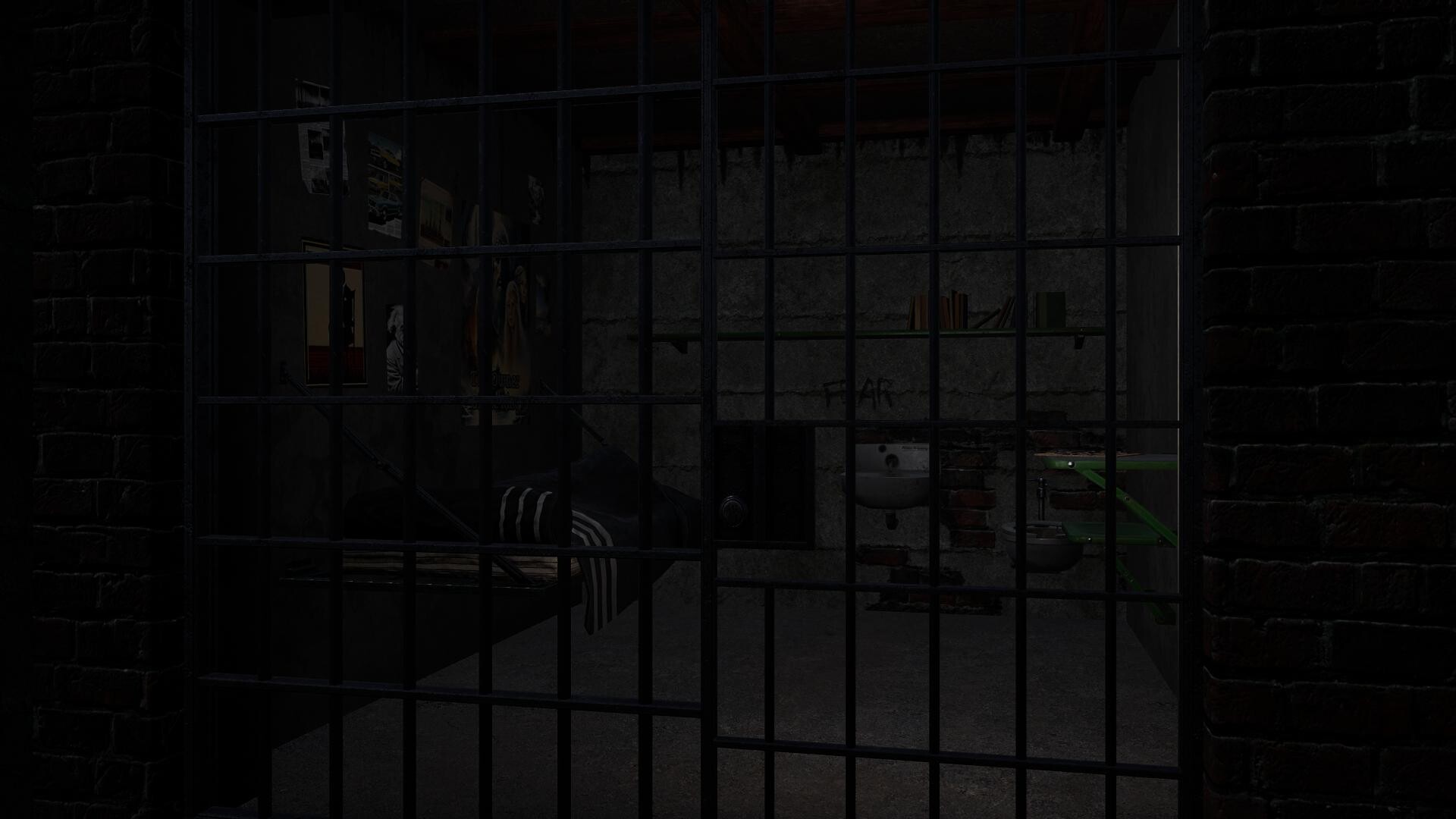
Officially described by the developer/publisher Steadyturtle Co., Ltd., Trace of the Villa begins with Jin following a lead to a remote, deliberately forgotten mansion. Inside, signs point to prior occupancy but identities appear removed: furnished rooms with no photographs or names, locked doors hiding secured secrets, and personal belongings left undisturbed. Jin recovers manifests and hints that suggest his sister may still be alive somewhere along the trail.

When and where
Trace of the Villa released on Steam on 28 May, 2026 and is available on the Steam store page for PC (Steam App ID 3483660). The store page lists the title’s official genres and user‑facing categories as Action / Adventure / Indie with single‑player and accessibility options included.
Why the missing‑person stakes matter
The core curiosity in Trace of the Villa comes from motive: Jin’s search for his sister turns what could be a standard mansion mystery into a personal investigation. That missing‑person premise raises the stakes of every uncovered document and encrypted fragment — manifests and suspicious transfer records are not just worldbuilding, they’re potential leads. When a protagonist’s emotional investment is explicit, environmental storytelling and puzzle rewards read as progress toward a concrete human outcome rather than abstract completion.
How you progress: reading clues and uncovering the hidden backstory
According to the official description, progression hinges on restoring and reactivating parts of the estate: when Jin restores power to the mansion, secured systems come online, hidden compartments open, and safes yield fragments of encrypted documents and transfer records. Each solved puzzle reveals another layer — financial trails, falsified identities, and evidence of people moved through the property under strict control — that together create a clue trail. In short, the loop is investigative: explore rooms, restore systems, unlock data, and piece together a timeline that can lead back to Jin’s missing sister.
Player scenarios — who should wishlist this
- Environmental storytellers: you prefer piecing together lives from objects, documents, and quiet set dressing more than dialogue trees.
- Puzzle explorers with a narrative bent: you like puzzles that unlock story fragments rather than quick mini‑games or reflex challenges.
- Fans of slow, character‑driven tension: you want the missing‑person stakes and a protagonist whose motivation fuels the investigation.
- Players valuing accessibility: the Steam page lists subtitle options, color alternatives, and other comfort features.
How it compares (compact editorial table)
| Title | Primary focus | Atmosphere / Tone | Puzzle vs Exploration | Pacing / Player fit |
|---|---|---|---|---|
| Trace of the Villa | Missing‑person investigation, mansion mystery | Slow‑burn, eerie, erased identities | Clue‑driven puzzles that unlock systems and documents | Methodical, narrative‑first players who like investigation |
| Inscryption | Card‑based odyssey with escape‑room elements | Compact, psychological, uncanny | Deckbuilding mixed with escape‑puzzle segments | Players who enjoy meta‑narrative and high‑concept twists |
| Outer Wilds | Open‑world cosmic mystery | Curious, melancholic, exploratory | Exploration and environmental puzzle loops (time loop mechanics) | Explorers who like non‑linear discovery and systemic mysteries |
| The Forgotten City | Narrative‑driven mystery with time‑based mechanics | Philosophical, investigatory, tense | Dialogue and scenario puzzles that change timelines | Players who like branching narrative consequences |
| The Medium | Psychological horror; dual‑reality exploration | Dark, uncanny, atmospheric | Exploration paired with supernatural puzzle elements | Players who want psychological tone and dual‑realm mechanics |
Comparison
YouTube discovery
For trailer and gameplay discovery, use YouTube search rather than relying on unverified embeds: Find Trace of the Villa trailer and gameplay searches on YouTube.
Leave a Reply