
Trace of the Villa — an inspection-heavy, clue-driven mansion mystery
Trace of the Villa (Steadyturtle Co., Ltd.) places you in the shoes of Jin, a man following a cold trail to a remote, decaying mansion that may hold proof his missing sister is still alive. Released on 28 May, 2026 for PC on Steam, the game foregrounds object logic, chained clues, and environmental reading over twitch reflexes.

Who is this for?
This is for players who enjoy atmospheric mystery adventure and slow-burn suspense: people who prefer locked-room thinking, methodical clue chaining, and games that reward careful inspection. If you like narrative puzzle design that unfolds as you recontextualize rooms and objects rather than fast action sequences, Trace of the Villa is targeted at that audience.
What the game is
Trace of the Villa is an Action / Adventure / Indie title from Steadyturtle Co., Ltd. The official premise centers on Jin’s search for his missing sister in a property “cut off from the grid.” According to the Steam description, the mansion’s systems—power, locked compartments and safes—are restored and then used to reveal manifests, encrypted fragments and falsified identities. The emphasis in the story and the write-up is investigative: uncover timelines, follow financial trails and read the environment for omissions as much as direct clues.
When and where
Trace of the Villa released on 28 May, 2026 and is available on Steam for PC. The Steam store page lists Steadyturtle Co., Ltd. as both developer and publisher and classifies the game under Action, Adventure, and Indie categories.
Why the theme matters
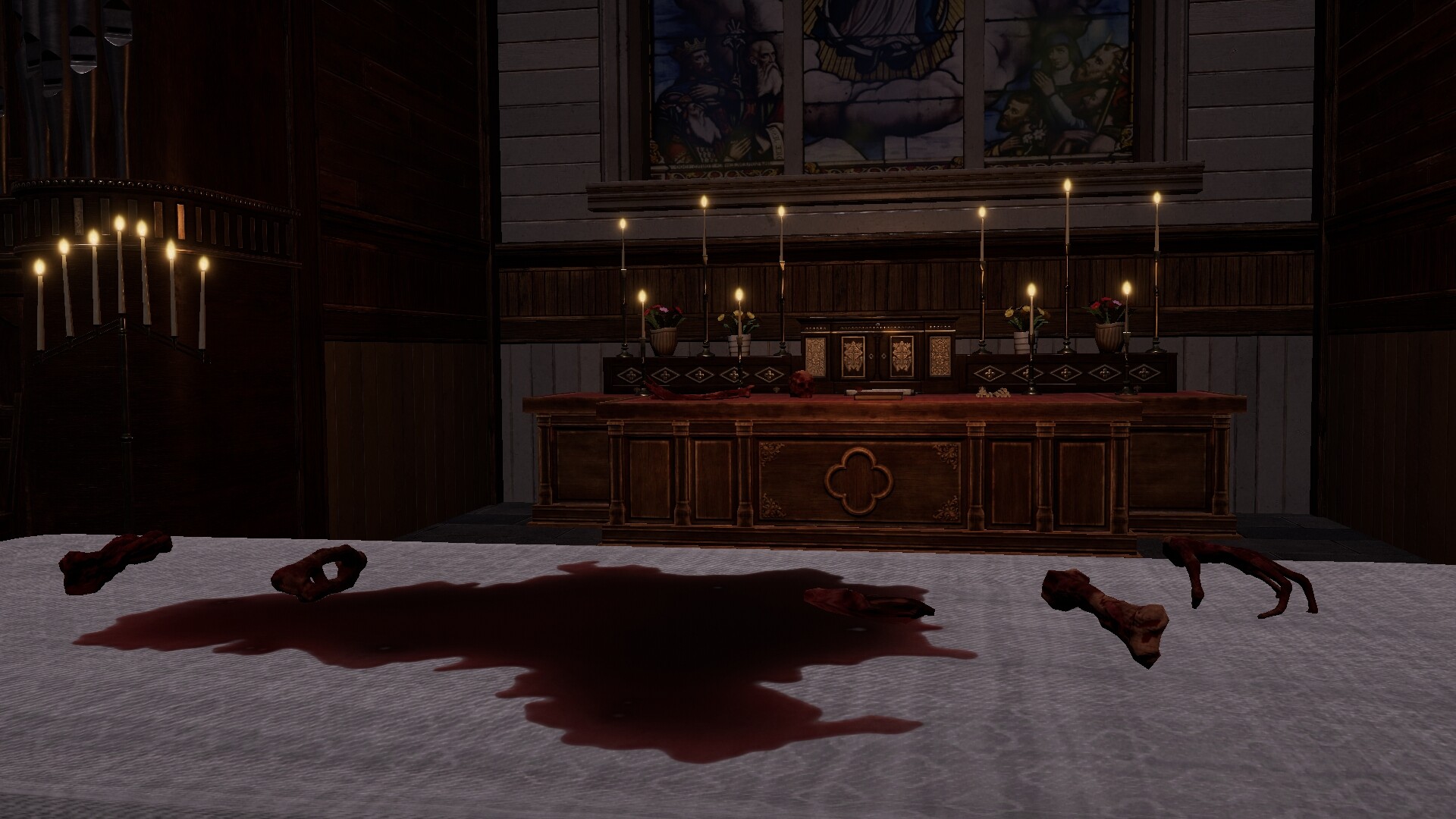
The mansion mystery is built around absence as much as presence: rooms staged as if someone left mid-routine, personal effects without names or photographs, and systems deliberately reset to hide traces. That design leans into psychological investigation and environmental storytelling—players infer motive and timeline from what’s been removed as well as from what remains. For players who prize atmosphere and inference over handholding, that approach makes each solved object feel like a piece of an evidence chain rather than an isolated puzzle.
How you progress: object logic and clue chains
Based on Steam text, progression hinges on returning systems to the mansion (restoring power and secured systems) and then following leads uncovered in safes, encrypted documents and manifests. That implies a loop of inspection → deduction → mechanical interaction: read a ledger, spot an inconsistency, unlock a compartment, then use the new fragment to re-evaluate other rooms. This is inspection-heavy play: the game rewards slow, layered reading of the environment and chaining small discoveries into larger revelations.
Expect puzzles that are spatial and contextual rather than reflex-based—locked doors and secured systems that open as you assemble corroborating evidence. That’s where locked-room thinking fits: each sealed space contains both an immediate mechanical problem and a narrative node that advances Jin’s timeline.

Practical player scenarios
Scenario A — The methodical investigator
You enjoy scanning rooms, taking notes, and revisiting spaces once new evidence appears. You appreciate a steady narrative leak of information and puzzles that require cross-referencing documents, room layouts and object placement. Trace of the Villa’s restored systems and encrypted fragments suit this playstyle.
Scenario B — The atmosphere-first player
You choose games for mood and tone—slow-burn suspense, psychological tension, and evocative set dressing. If you want a mansion that feels “erased” and prefer piecing together a human story from the architecture and props, this game aligns with those expectations.
Scenario C — Not for speedrunners or action-first players
If you want constant combat, quick-time events, or arcade pacing, this isn’t primarily built for that. The Steam description and categories (including “Playable without Timed Input” and “Single-player”) indicate a deliberately paced experience focused on investigation and puzzle-solving rather than timed reflex challenges.
Compact facts — Trace of the Villa
| Title | Trace of the Villa |
|---|---|
| Developer / Publisher | Steadyturtle Co., Ltd. |
| Release date | 28 May, 2026 |
| Genres | Action, Adventure, Indie |
| Key categories | Single-player; Color Alternatives; Custom Volume Controls; Playable without Timed Input; Subtitle Options; Family Sharing |
| Store page | Steam — Trace of the Villa |
How it compares — a compact table
Below are lawful editorial comparisons on genre, atmosphere and puzzle focus to help decide fit. These comparisons are descriptive, not evaluative endorsements.
| Title | Genre | Puzzle focus | Atmosphere / Story tone | Exploration style | Who might prefer it |
|---|---|---|---|---|---|
| Trace of the Villa | Action / Adventure / Indie | Inspection-heavy; chained clues; encrypted documents and sealed systems | Slow-burn, psychological mansion mystery; rooms staged as if occupants vanished | Single-player, linear exploration of a decaying estate | Players who like environmental storytelling and methodical deduction |
| The Room / The Room Two | Adventure / Indie | Mechanical, object-based puzzles centered on intricate devices | Mysterious, tactile and singular-object-focused; intimate puzzle boxes | Room-by-room puzzle progression with a focus on device inspection | Players who love tactile puzzle devices and tightly constrained puzzle spaces |
| Escape Simulator | Adventure / Casual / Indie / Simulation | Interactive escape rooms; physics interactions and object manipulation | Bright, varied community-made rooms; playful to tense depending on map | Modular rooms, community content, solo or online co-op | Players who want many different room designs and hands-on interactivity |
YouTube discovery
If you want trailers or gameplay footage, search YouTube using this query path (useful for trailer or gameplay discovery; results may include official or community videos): Search: Trace of the Villa trailer gameplay.
Final notes and buying guidance
If you prize environmental puzzles, object logic and layered clue chains more than action pacing, add Trace of the Villa to your wishlist. The game’s Steam metadata and description emphasize sealed systems, documents and staged rooms—signs it’s designed for patient, inspection-forward play. The store listing also flags accessibility options like subtitles and playable-without-timed-input, which supports slower, more careful investigation.
View Trace of the Villa on Steam