
Trace of the Villa: puzzles as evidence in a slow-burn mansion mystery
Trace of the Villa positions its puzzles not as isolated obstacles but as fragments of a suppressed history — manifests, safes and encrypted files that act as evidence piece by piece. Released 28 May, 2026 from Steadyturtle Co., Ltd., the game steers a player named Jin through a decaying mansion where restoration of power and careful reading of objects drive both investigation and story.

Quick facts
| Title | Trace of the Villa |
|---|---|
| Steam AppID | 3483660 |
| Release date | 28 May, 2026 |
| Developer / Publisher | Steadyturtle Co., Ltd. |
| Genres | Action, Adventure, Indie |
| Key Steam categories | Single-player, Color Alternatives, Custom Volume Controls, Playable without Timed Input, Subtitle Options, Family Sharing |
| Official short premise | Jin searches for his missing sister and finds manifests and hints in a remote, decaying mansion that indicate she may still be alive. |
Who the game is for
Trace of the Villa is for players who prefer atmospheric mystery adventure and environmental storytelling over combat spectacle. If you like slow-burn suspense, reading objects as primary evidence, and story-driven puzzle design that ties each solved lock or decrypted file to the next narrative beat, this is a natural fit. It also suits PC players who value accessibility options listed on Steam — subtitle options, color alternatives, and controls that allow play without timed input.
What the game actually is
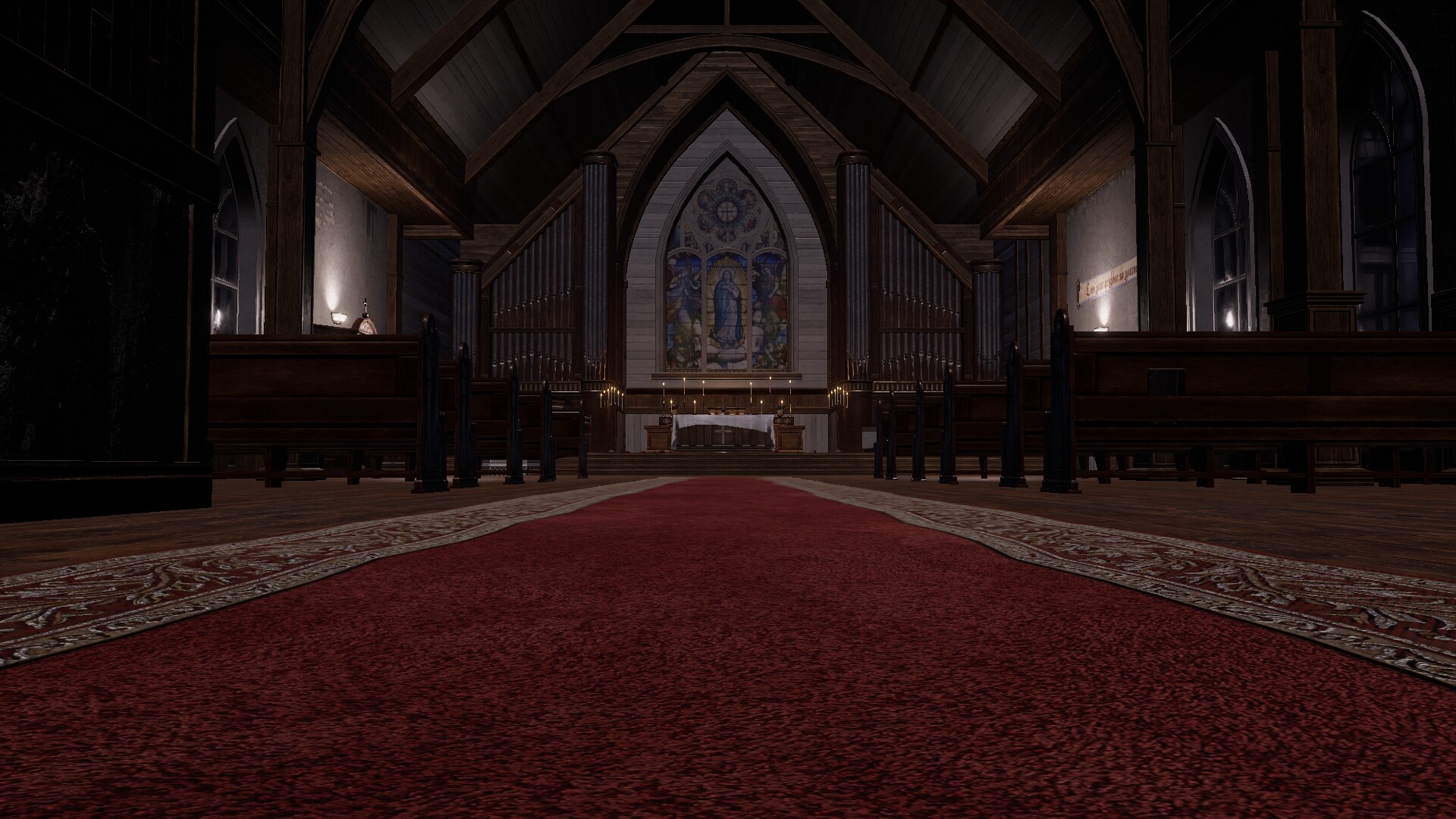
Official Steam material frames Trace of the Villa as a psychological investigation inside a deliberately forgotten mansion. The protagonist, Jin, follows a lead to a property with no recent records; the house appears ‘erased’ rather than simply abandoned. Restoring power and exploring reveal hidden compartments, safes and fragments of encrypted documents. Those puzzle solutions uncover a pattern of falsified identities, suspicious transfers and arrivals without records — narrative clues that act as the primary evidence the player must assemble.

When and where — Steam / PC context
Trace of the Villa launched on Steam 28 May, 2026 and is listed with the Steam AppID 3483660. The Steam page highlights single-player play and accessibility options that make it approachable to different players on PC.
Why the theme matters: puzzles as evidence and narrative logic
Unlike puzzle sequences that exist primarily to gate progress, Trace of the Villa uses each solved object as a shard of evidence. Manifests, transfer records and encrypted fragments aren’t flavor text — they’re the connective tissue of the mystery. Editorially, that design choice turns every mechanical solution (open a safe, restore power, unlock a door) into a narrative deduction: you don’t just advance through rooms, you assemble a timeline and a motive from material traces. For players who prize coherence between puzzle design and story payoff, this approach amplifies suspense because puzzles reveal fact, not only function.
How you read clues and make progress
- Start by restoring systems: bringing power back online is an early mechanical-and-narrative step that unlocks evidence and contextualizes objects.
- Treat each object logically: safes, locked compartments and encrypted files are treated as primary documents that require reading, comparing and cross-referencing.
- Follow financial and identity traces: documented transfers and falsified identities in recovered files are narrative leads — solving a puzzle often supplies the next location or the next document to interpret.
- Progress is investigative, not reflexive: Steam categories note “Playable without Timed Input,” reinforcing that the game favors analysis and thoughtful reading over twitch mechanics.
Player scenarios — who should wishlist this
Concrete scenarios for different player types:
- For the methodical mystery player: You enjoy piecing together timelines from small details and reading documents for implications. Trace of the Villa’s encrypted fragments and manifests will reward that habit.
- For atmospheric explorers: You prioritize ambience, a slow-burn narrative, and rooms that feel lived-in and then unnervingly incomplete; the mansion’s “erased” identity is central to the tone.
- For puzzle-first players who dislike forced reflexes: The game’s Steam listing stresses non-timed input and accessibility options, so puzzles are about logic and inference rather than speed.
- For players looking for high-action thrills: This title leans toward investigative tension and environmental storytelling; if immediate combat or fast-paced sequences are your priority, check trailers or footage first.
How Trace of the Villa compares — a compact editorial table
| Title | Core puzzle style | Atmosphere / Story tone | Exploration style | Pacing & player fit |
|---|---|---|---|---|
| Trace of the Villa | Document reading, safes, encrypted files (evidence-driven) | Slow-burn mansion mystery, erased identities, investigative tension | Room-by-room environmental reconstruction, system restoration | Deliberate, investigative — suits players who prioritize narrative logic |
| The Room | Mechanical, tactile lockboxes and layered contraptions | Isolated, enigmatic invitation to a contained puzzle space | Focused single-room puzzles with increasing complexity | Compact, tactile puzzle focus; strongly puzzle-centric |
| The Room Two | Extended mechanical puzzles across linked environments | Mysterious and atmospheric with a broader, cryptic narrative | Multiple interconnected puzzle locales | More expansive than the first — for players who want narrative spread over puzzles |
| Escape Simulator | Highly interactive escape-room style puzzles; physics interactions | Varied tones depending on room; emphasis on interactivity | Room-scale, object interaction-heavy exploration (solo or co-op) | Fast-paced puzzle interaction; good for players who enjoy tactile manipulation |
| Unpacking | Environmental, object-placement as storytelling | Zen, domestic narrative revealed through belongings | Home-by-home, item-focused exploration | Calm, meditative pacing; narrative emerges from objects rather than explicit documents |
Notes: comparison uses editorial criteria — genre, puzzle focus, atmosphere and player fit — drawn from each title’s Steam descriptions and available metadata.
Trailer and further discovery
If you want to see how the mansion and its puzzles present visually, search for trailers and gameplay on YouTube: View Trace of the Villa on Steam
YouTube discovery
For trailer and gameplay discovery, use YouTube search rather than relying on unverified embeds: Find Trace of the Villa trailer and gameplay searches on YouTube.
Leave a Reply