
Trace of the Villa: why quiet dread and the psychology of an empty mansion matter more than loud shocks
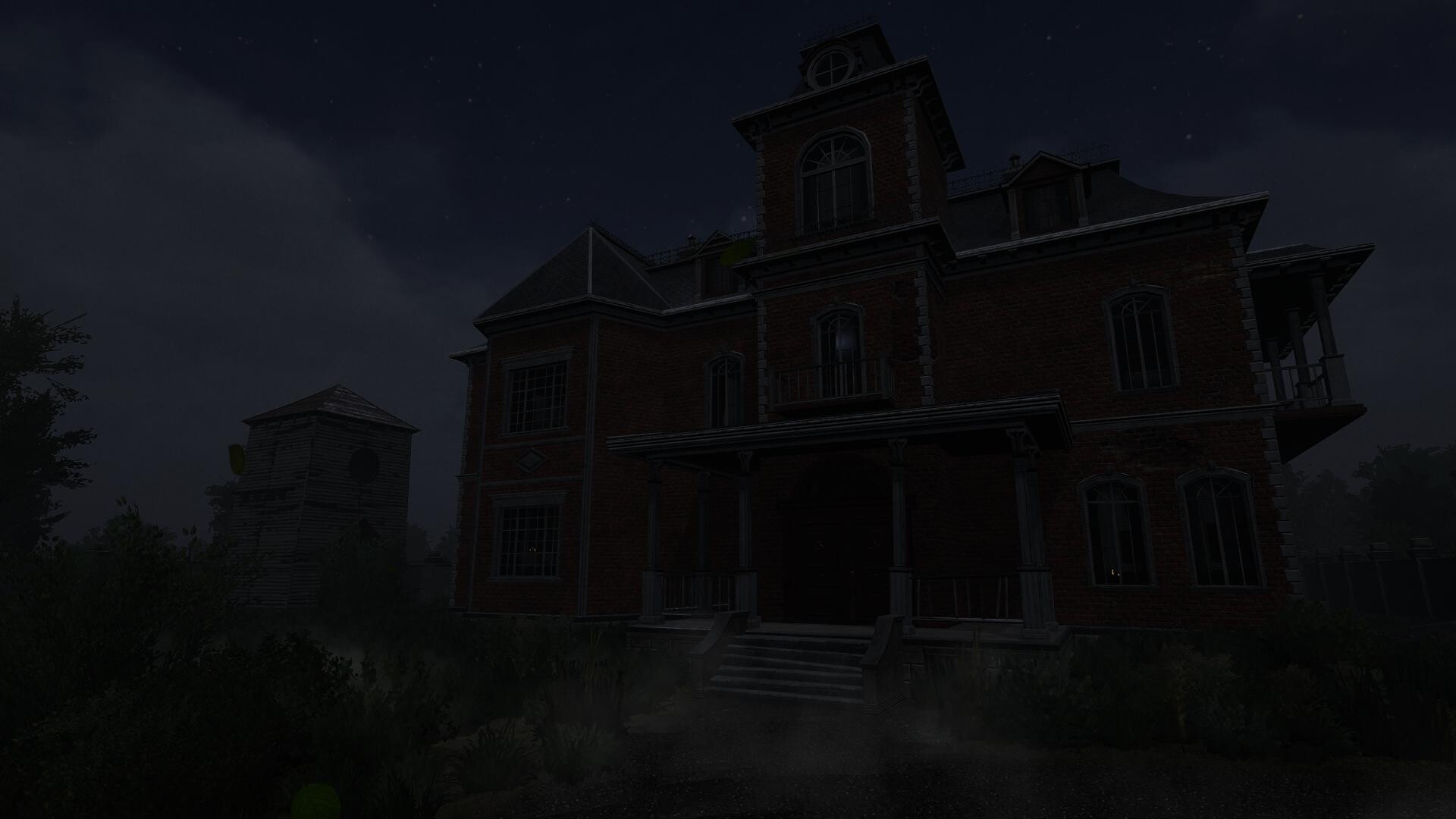
Trace of the Villa places you in a decaying, deliberately forgotten estate where Jin—searching for his missing sister—finds manifests and hints that suggest she may still be alive. Rather than trading on jump scares, the game builds a slow-burn tension from an atmosphere of erasure: rooms frozen mid-routine, locked doors, and systems that only reveal themselves when power is restored.

Quick facts
| Title | Trace of the Villa |
|---|---|
| Steam App ID | 3483660 |
| Release date | 28 May, 2026 |
| Developer / Publisher | Steadyturtle Co., Ltd. |
| Genres | Action, Adventure, Indie |
| Steam categories | Single-player; Color Alternatives; Custom Volume Controls; Playable without Timed Input; Subtitle Options; Family Sharing |
Who is this for?
If you prize unsettled atmosphere over outright scares, Trace of the Villa is aimed at you. The protagonist, Jin, is on a personal hunt for his sister—so players who prefer character-rooted mystery, puzzle-led investigation, and environmental storytelling will find a clearer fit than those expecting non-stop action or frequent jump-scares. The Steam categories (Single-player, Subtitle Options, Playable without Timed Input) underline a paced, accessible experience for solo PC mystery players.
What the game is
Official Steam copy frames the premise plainly: “Jin has spent years searching for his missing sister, pursuing leads that took him to a remote, decaying mansion where he recovered manifests and hints that indicate his sister may still be alive, somewhere at the end of the trail he is about to follow.” Inside the mansion, the game leans on the feeling that spaces have been erased—furnished rooms with no names or photos, locked doors and secured systems. Restoring power is a gameplay beat: when Jin brings systems back online, hidden compartments, safes, and encrypted fragments appear as new pieces of the timeline.

When and where
Trace of the Villa released on Steam on 28 May, 2026 and is available on the Steam store page. The listing shows developer and publisher as Steadyturtle Co., Ltd., and places the game in the Action / Adventure / Indie space on PC.
Why quiet tension and uncertainty matter here
Psychological dread thrives where narrative and environment deny certainty. The mansion in Trace of the Villa is not a series of set-pieces; it’s a catalogue of absences—missing names, erased histories, financial trails that lead nowhere. That uncertainty does more psychological work than a constant stream of shocks: it activates the player’s imagination, makes ordinary objects feel suspicious, and converts every creak or shadow into a question. In short, ambiguity is the engine of dread.
How you play: reading clues, restoring systems, and progression
Progression is clue-driven. According to the official description, Jin “restores power” to the estate, at which point secured systems come back online and new avenues open: hidden compartments unlock, safes reveal fragments of encrypted documents, and investigation of those fragments advances the timeline. That implies a loop of exploration → partial discoveries → puzzle solving → new access—an investigative pacing that rewards careful observation and patience rather than reflexive combat or timed encounters (note the Steam category “Playable without Timed Input”).
Player scenarios — who should wishlist this
- You like slow-burn suspense built from atmosphere and detail: wishlist if you prefer lingering dread to repeated jump-scares.
- You want puzzle-led, narrative discovery: wishlist if you enjoy extracting story from objects, logs, and environmental cues.
- You enjoy character-focused motivations: wishlist if a personal search (Jin’s hunt for his sister) is a prime narrative driver for you.
- You need accessibility options and a solo PC experience: wishlist if Single-player, Subtitle Options, and Playable without Timed Input matter to your playstyle.
How Trace of the Villa compares (editorial discovery)
Below is a compact editorial comparison focused on atmosphere, pacing, puzzle emphasis, and exploration style — intended to help you decide whether Trace of the Villa fits your tastes compared to other psychological/mystery titles.
| Title | Core mood | Pacing | Puzzle focus | Exploration style | Notable release |
|---|---|---|---|---|---|
| Trace of the Villa | Atmospheric mystery; erased identities | Slow-burn suspense | Clue-driven, document and system-based | Decaying remote mansion; environmental storytelling | 28 May, 2026 |
| Amnesia: The Dark Descent | Immersion, existential dread | Slow, tension-focused | Low; environmental and survival mechanics | First-person confined spaces, atmospheric | 8 Sep, 2010 |
| SOMA | Sci‑fi existential horror | Measured, narrative-led | Moderate; puzzle and narrative integration | Underwater facility, exploration + story | 21 Sep, 2015 |
| Layers of Fear (2016) | Psychological, surreal | Variable; story beats and escalating unease | Light; more narrative and atmosphere | Shifting Victorian mansion; painter’s psyche | 15 Feb, 2016 |
| Poppy Playtime | Tense toy-factory horror | Brisker, more frequent scares | High; gadget-based puzzles | Abandoned factory; pocketed puzzle rooms | 12 Oct, 2021 |
Steam and discovery notes
Steam store listings for Trace of the Villa include options like Color Alternatives and Custom Volume Controls, which support accessibility and a tailored presentation. If you’re deciding whether to wishlist, consider that the game markets itself as a narrative puzzle-adventure rooted in investigation and environmental cues rather than action-heavy combat or timed reflex mechanics.
YouTube discovery
Search for trailers and gameplay footage (useful for judging tone and pacing) here: Trace of the Villa trailer & gameplay — YouTube search. Note: this is a discovery link; individual videos should be checked for official status on a case-by-case basis.
Leave a Reply