
Trace of the Villa — an escape-room style mystery built around power, locks and reconstructing evidence
Trace of the Villa casts you as Jin, a lone investigator whose search for a missing sister leads to a remote, deliberately forgotten mansion. Restoring power, unlocking sealed spaces and assembling fragmented documents form the core gameplay loop that unfolds its narrative in stages.

| Title | Trace of the Villa |
|---|---|
| Steam AppID | 3483660 |
| Release date | 28 May, 2026 |
| Developer / Publisher | Steadyturtle Co., Ltd. |
| Genres | Action, Adventure, Indie |
| Steam categories | Single-player; Color Alternatives; Custom Volume Controls; Playable without Timed Input; Subtitle Options; Family Sharing |
Who this is for
If you gravitate toward atmospheric mystery adventures that reward careful observation, Trace of the Villa is aimed at players who enjoy slow-burn suspense and environmental storytelling. The game is a story-rich PC mystery experience for single-player audiences who prefer puzzle-driven exploration over twitch reflex tests — developers list Playable without Timed Input and Subtitle Options among the Steam categories, which signals a measured puzzle pace and accessibility options.
What the game is
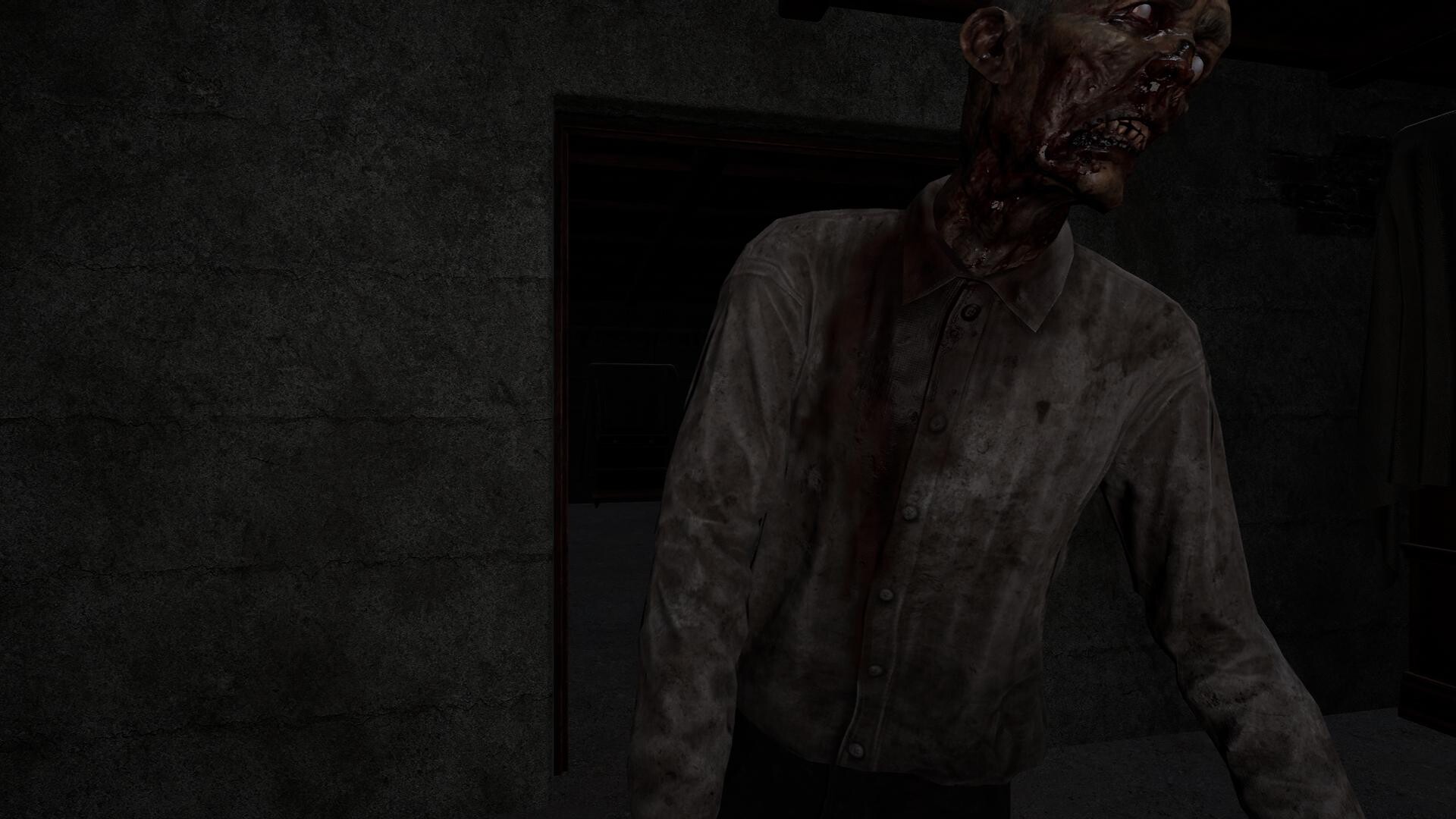
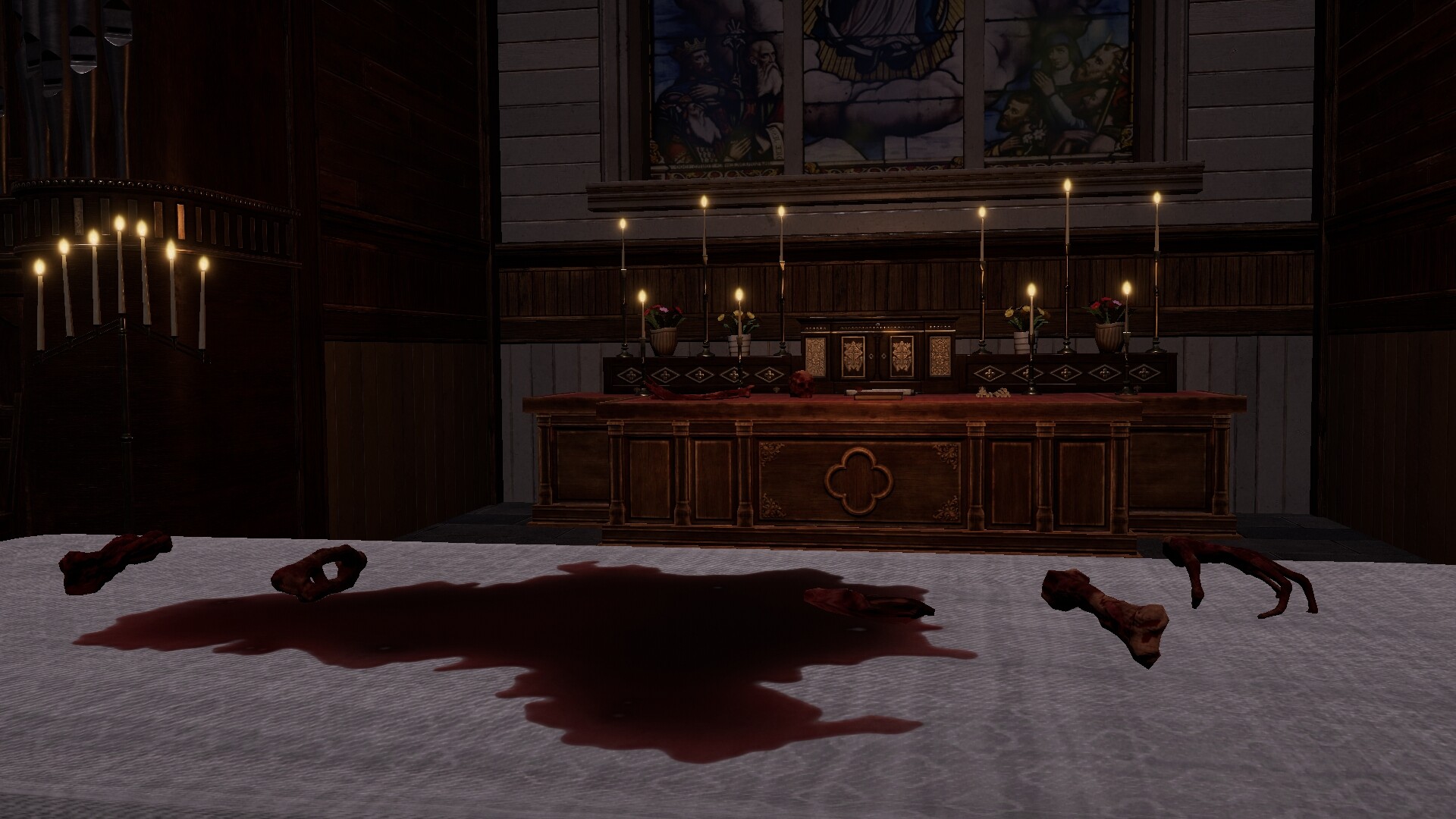
Officially, Trace of the Villa follows Jin as he investigates a decaying mansion after a lead suggests his missing sister may still be alive. The estate has been cut off from the grid and appears deliberately forgotten; rooms look as if occupants vanished mid-routine and identities feel erased. When Jin restores power to the estate, secured systems come back online, hidden compartments unlock and safes yield fragments of encrypted documents and suspicious transfer records that slowly map a concealed operation.
When and where you can play
Trace of the Villa launched on 28 May, 2026 and is available on Steam. The Steam store page lists developer and publisher as Steadyturtle Co., Ltd., and the store entry highlights single-player and accessibility categories useful to PC players.
Why the theme matters — locked-room thinking and clue chains
What distinguishes Trace of the Villa from a straight action-adventure is the central gameplay premise described on Steam: the mansion’s secrets are revealed by restoring power and reactivating secured systems. That creates a layered design opportunity for locked-room thinking — one solved circuit or reactivated terminal can open access to multiple rooms, each of which yields contextual clues that reshape how earlier evidence is read. In practice, that means clues are rarely isolated puzzles; they form chains that force you to revise hypotheses about who was here, when they arrived, and how identities might have been erased.
How progression works — reading the environment and reconstructing evidence
The official description lays out the loop plainly: restore power, watch secured systems come back to life, then use newly unlocked spaces and recovered documents to assemble a timeline. That loop emphasizes environmental reading. Personal belongings left in place but without names or photographs become data points; manifests and encrypted fragments are connective tissue linking rooms and transactions. Each discovery is a nudge toward a larger pattern — arrivals without records, departures without witnesses, and movements masked behind falsified identities, according to the Steam text.
Player scenarios — who should wishlist this
- Slow-burn investigators: You prefer methodical puzzle loops and piecing together a timeline rather than action setpieces. The game’s focus on restoring power and reading documents aligns with that taste.
- Environmental storytellers: You like games where the setting narrates itself — rooms furnished as if abandoned mid-routine, omissions (no photos, no names) used as a storytelling device.
- Puzzle architects: If you enjoy chained puzzles — where one solution unlocks new tools or rooms that retroactively change prior clues — Trace of the Villa promises that kind of design emphasis.
- Accessibility-minded players: Steam categories like Playable without Timed Input, Subtitle Options and Custom Volume Controls suggest the developers considered pacing and options useful to a broad PC audience.
Comparisons (editorial discovery, not endorsement)
For readers deciding if Trace of the Villa matches their tastes, here are some nearby titles to help set expectations. These comparisons focus on genre, atmosphere, puzzle focus, exploration style and pacing.
| Title | Core genre / release | Atmosphere & pacing | Puzzle / exploration style |
|---|---|---|---|
| The Room | Adventure, Indie — 28 Jul, 2014 | View Trace of the Villa on Steam
YouTube discoveryFor trailer and gameplay discovery, use YouTube search rather than relying on unverified embeds: Find Trace of the Villa trailer and gameplay searches on YouTube. Reader decision checklistUse this checklist before deciding whether Trace of the Villa belongs on your Steam wishlist. The game is most relevant if you enjoy reading environmental evidence, following document trails, inspecting rooms for small inconsistencies, and letting a mystery unfold through objects rather than exposition. It is less about instant spectacle and more about the slow pressure of a place that seems to have been deliberately erased. SEO note for discovery-minded playersPlayers searching for atmospheric mystery adventure, clue-driven exploration, mansion mystery game, story-rich indie adventure, psychological investigation game, or narrative puzzle design are likely looking for the same core appeal: a PC game where the setting is not just a backdrop but the main source of evidence. Trace of the Villa fits that search intent because its official Steam premise centers on Jin, his missing sister, a remote mansion, restored systems, hidden compartments, safes, encrypted documents, and a trail of suspicious records. Final player-fit summaryWishlist Trace of the Villa if you want a slow investigation built around official Steam store elements: a 28 May, 2026 release from Steadyturtle Co., Ltd., a single-player PC/Steam mystery structure, official screenshots showing the mansion atmosphere, and a premise that uses the house itself as a puzzle box. The strongest fit is for players who prefer patience, observation, and narrative reconstruction over fast combat or loud horror beats. CommentsMore posts |
Leave a Reply