
Trace of the Villa — a premise-first guide for players who want the story, not spoilers
Trace of the Villa drops you into a tightly written premise: Jin has spent years searching for his missing sister, and a lead takes him to a decaying, off-grid mansion where recovered manifests and puzzling hints suggest she may still be alive. This article explains what that premise means for the kind of narrative curiosity the game rewards and whether its slow-burn mansion mystery fits your playstyle — with no plot spoilers, only what the Steam page confirms.

Quick facts
| Title | Trace of the Villa |
|---|---|
| Release date | 28 May, 2026 |
| Developer / Publisher | Steadyturtle Co., Ltd. |
| Genres | Action, Adventure, Indie |
| Key Steam categories | Single-player; Color Alternatives; Custom Volume Controls; Playable without Timed Input; Subtitle Options; Family Sharing |
| Steam page | View Trace of the Villa on Steam |
| Premise (official) | Jin searches for his missing sister and follows a lead to a remote, decaying mansion where manifests and hints indicate she may still be alive. |
Who this game is for (Who)
- Players who prefer story-first mysteries driven by environmental cues rather than explicit exposition. The Steam description frames Trace of the Villa as a personal investigation into a missing sibling, with atmosphere and recovered documents doing much of the narrative work.
- Explorers who value slow, atmospheric reveals. The mansion is described as “less abandoned than erased,” implying an emphasis on reading spaces and objects to reconstruct events.
- Accessibility-minded players: the store listing includes “Playable without Timed Input,” subtitle options, color alternatives, and custom volume controls — helpful if you want to focus on reading clues at your own pace.
What the game actually is (What)
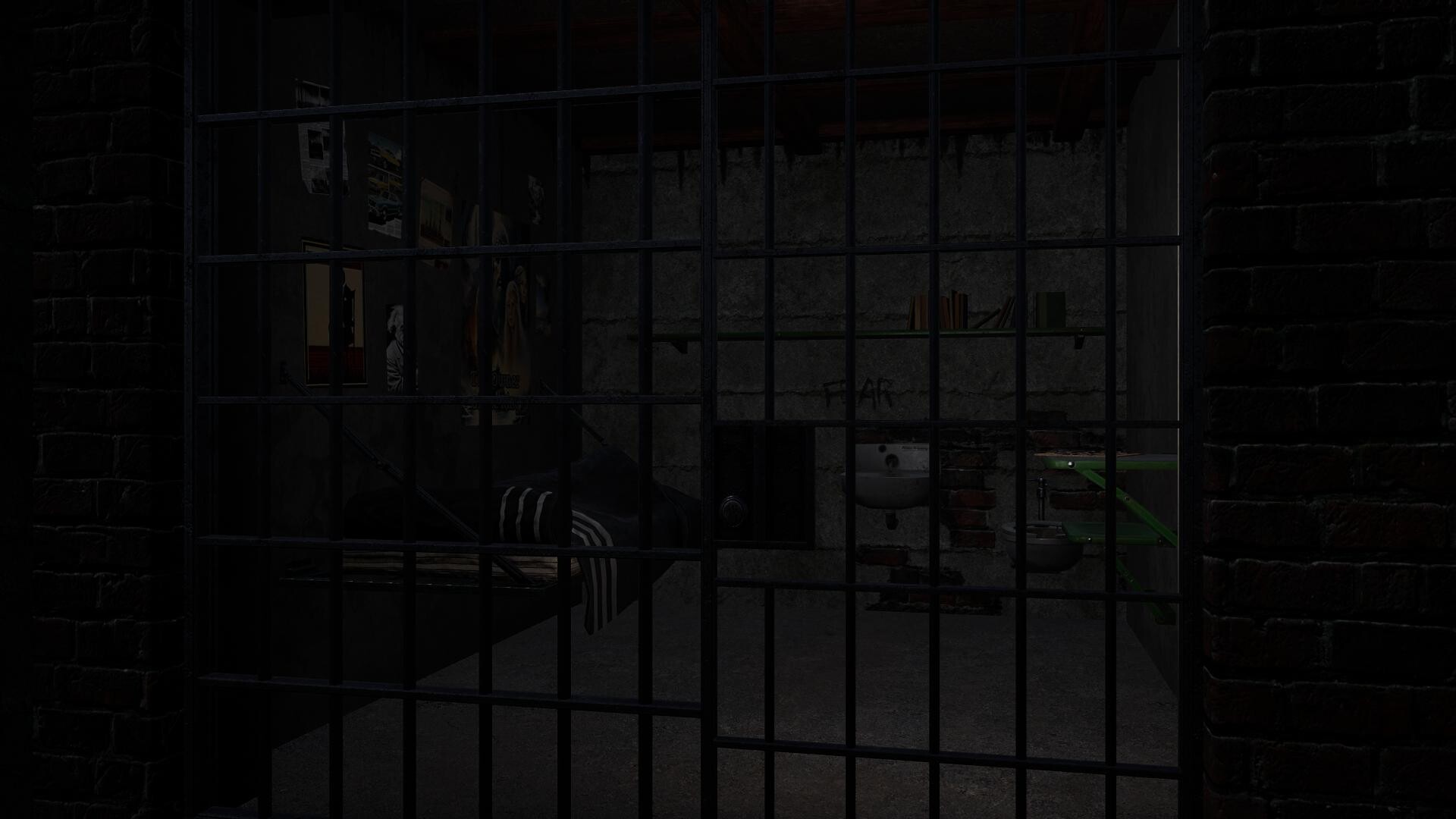
Officially, Trace of the Villa is an Action / Adventure indie experience from Steadyturtle Co., Ltd. The premise centers on Jin entering an isolated mansion to follow leads about his missing sister. Inside, the estate contains locked doors, hidden compartments, and secured systems that Jin can restore — safes and encrypted documents are specifically mentioned — and each solved puzzle reveals another layer of a concealed operation. The emphasis in the description is on environmental storytelling: objects, manifests, and system restores reveal the past rather than a narrator summarizing it.

When and where (When / Where)
Trace of the Villa released on Steam on 28 May, 2026. The Steam store page lists it as a single-player PC indie title; use the Steam link above to wishlist, check system requirements, or view additional media and the developer’s notes.
Why the theme matters (Why)
This is a narrative of searching and reconstruction — a missing-person premise that turns domestic spaces into puzzles. The Steam page repeatedly frames the estate as intentionally obscured: no ownership, no records, rooms “furnished as if occupants vanished mid-routine,” and secured systems that, once powered, start to “reveal what it was hiding.” That matters because it sets player expectations: story emerges from investigation, not from cutscenes or frequent exposition. If you want an emotional throughline (Jin’s search for his sister) tied to clue-finding and decrypting traces, the premise promises that payoff without telegraphing specific beats.
How you read clues and progress (How)
- Investigation through restoration: the official description stresses restoring power and secured systems coming back online, which unlocks access to hidden compartments, safes, and fragments of documents.
- Object-led narrative: manifests, transfer records, and encrypted fragments are explicit steering tools — the story asks you to collect and piece together documentary evidence rather than rely solely on NPC dialogue.
- Puzzle-to-story pipeline: “Each puzzle solved uncovers another layer of a carefully concealed operation” — expect mechanics where puzzle resolution directly reveals chronological or institutional facts about the mansion’s past.
Player scenarios — would you wishlist it?
Scenario A: You like slow-burn, atmospheric investigations
Wishlist it if you prioritize mood, carefully staged rooms, and piecing together a human story through found documents and restored systems. The Steam description centers Jin’s personal stakes, so the emotional arc is part of the reward for readers of the environment.
Scenario B: You want puzzle-first, mechanical variety
Wishlist it if you enjoy puzzles that open narrative doors — safes, encrypted fragments, and system restores are called out as direct triggers for plot information. If you require constant action or twitch-based gameplay, check the store media to confirm the balance; the listing highlights investigative progression over timed input.
Scenario C: Accessibility and relaxed pacing matter
Wishlist it if you appreciate subtitle options, color alternatives, and the “Playable without Timed Input” tag — the Steam categories suggest you can approach the mansion at a measured pace without reflex penalties.
How Trace of the Villa compares to nearby narrative mysteries
Below is an editorial comparison focused on method and tone, not value judgments. I used genre, atmosphere, puzzle focus, exploration style, story tone, and pacing as the comparison axes.
| Title | Core mystery method | Atmosphere & pacing | Puzzle / exploration focus | Player fit |
|---|---|---|---|---|
| Trace of the Villa | Clue-driven environmental investigation (found manifests, restored systems) | Slow-burn, atmospheric mansion mystery | Puzzles unlock documents, safes, and compartments; investigation-led progression | Players who want personal stakes tied to object-based storytelling and relaxed pacing |
| Inscryption | Card-based meta-narrative and escape-room puzzles (per topic research) | Dark, unsettling, and psychologically intense | Deckbuilding fused with puzzle and meta-horror twists | Players who like mechanical surprises and meta-fictional reveals |
| Outer Wilds | Exploration and discovery across a solar system trapped in a time loop | Curious, contemplative, with discovery-driven pacing (award recognition noted in topic research) | Exploration-first; knowledge accumulation revealsYouTube discoveryFor trailer and gameplay discovery, use YouTube search rather than relying on unverified embeds: Find Trace of the Villa trailer and gameplay searches on YouTube. CommentsMore posts |
Leave a Reply