
Trace of the Villa and the Logic of Evidence: How Puzzles Build a Case
Trace of the Villa drops you into a decaying mansion where Jin — the protagonist named in the official Steam page — follows manifests, hints, and encrypted fragments that imply his missing sister may still be alive. The game frames puzzles as pieces of evidence: restoring power, opening safes, and reading found documents all move an investigation forward rather than just unlock a door.

Who this is for
If you lean toward atmospheric mystery adventure and enjoy slow-burn suspense driven by environmental storytelling and careful clue-reading, Trace of the Villa is aimed at that taste. Players who prefer methodical investigation — piecing together timelines from manifests and encrypted fragments rather than combat or twitch reflexes — will find the structure familiar and rewarding. The Steam metadata places the game in Action / Adventure / Indie and lists single-player accessibility options such as subtitle options, color alternatives and “playable without timed input,” so it fits solo, deliberate play.
What the game is
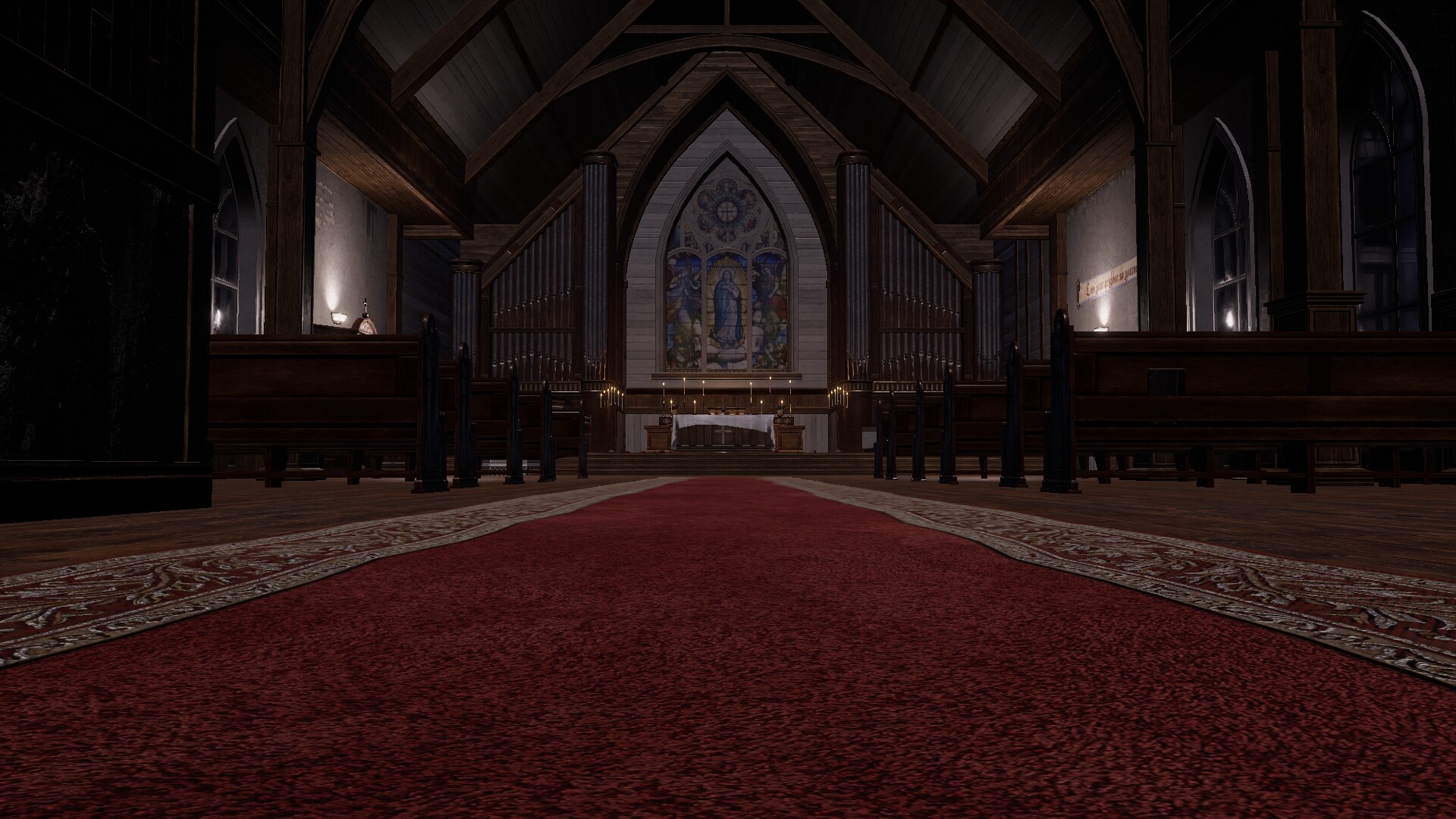
Trace of the Villa (Steadyturtle Co., Ltd.) puts you in a remote, deliberately forgotten mansion where rooms appear as if their occupants vanished mid-routine. According to the official Steam description, Jin recovers manifests and hints that suggest his missing sister may still be alive; restoring the estate’s power reveals secured systems, hidden compartments, safes and fragments of encrypted documents. The story threads include falsified identities, suspicious transfer records and movements masked behind false timelines — the puzzles themselves function as evidentiary objects that reveal the operation behind the estate.
When and where
Release date (Steam): 28 May, 2026. Developer / Publisher: Steadyturtle Co., Ltd. Platform/context: the title is listed on Steam with PC-focused store assets and the usual Steam single-player categories (Color Alternatives, Custom Volume Controls, Playable without Timed Input, Subtitle Options, Family Sharing).
Why the theme matters: puzzles as evidence
Trace of the Villa treats each solved puzzle less as a gate and more as an exhibit. Encrypted documents, transfer records and manifests are not just lore dumps — they’re incremental proof that rebuilds a narrative timeline. That design choice changes how you interpret every found object: a personal belonging with no name, a locked safe that yields an odd bank transfer — these are clues that accumulate into a prosecutable story in the player’s head. For players who want investigative clarity, that makes the puzzle loop feel like assembling a case file rather than checking boxes.
How you progress: clue reading, object logic, story puzzles
The official description outlines a few concrete mechanics that define progression: restoring power to the estate brings systems online; secured compartments and safes yield fragments; puzzles produce manifests and hints that point to further leads. That sequence enforces a pattern of inspection → inference → verification. You read documents and trace financial trails, connect arrivals without records and departures without witnesses, then use newly revealed tools or decrypted data to access the next area. The result is a layered investigatory rhythm where object logic (what an item implies) and story puzzles (what the item proves) feed each other.

Compact facts: Trace of the Villa
| Title | Trace of the Villa |
|---|---|
| Steam appid | 3483660 |
| Release date | 28 May, 2026 |
| Developer | Steadyturtle Co., Ltd. |
| Publisher | Steadyturtle Co., Ltd. |
| Genres | Action, Adventure, Indie |
| Categories / Accessibility | Single-player; Color Alternatives; Custom Volume Controls; Playable without Timed Input; Subtitle Options; Family Sharing |
| Official short description | Jin has spent years searching for his missing sister, pursuing leads that took him to a remote, decaying mansion where he recovered manifests and hints that indicate his sister may still be alive, somewhere at the end of the trail he is about to follow. |
Comparison: how Trace of the Villa lines up with nearby puzzle-adventure designs
Below is a compact editorial comparison using lawful criteria: genre/atmosphere, puzzle focus, exploration style, story tone and pacing.
| Title | Genre / Atmosphere | Puzzle focus | Exploration style | Tone / Pacing |
|---|---|---|---|---|
| The Room | Adventure / Indie — intimate, mechanical mystery | Single-object mechanical puzzles (safe/safe-box oriented) | Confined, object-focused rooms | Meditative, puzzle-first pacing |
| The Room Two | Adventure / Indie — cryptic, tactile | Mechanical and environmental puzzle chaining (pedestal/safe style) | Sequential, scene-to-scene progression | Slow-burn with escalating revelations |
| Escape Simulator | Adventure / Casual / Indie — interactive escape-room style | Highly interactive object puzzles, physics and cooperative solutions | Room-based hub with high interactivity and player manipulation | Puzzle-driven, variable pace depending on player or group |
| Unpacking | Casual / Indie — domestic, zen | Object-placement and contextual storytelling through belongings | Tableau-based rooms that reveal life through items | Calm, interpretive and slow-paced |
| Trace of the Villa | Action / Adventure / Indie — mansion mystery, investigative | Evidence-driven puzzles: manifests, encrypted fragments, safes and secured systems | Exploratory mansion where systems and compartments unlock narrative leads | Investigative, methodical, story-first progression |
Player scenarios: who should wishlist this
- Choose this if you prefer investigative pacing: you like reading documents, tracing financial or identity irregularities and letting evidence reshape your understanding of the setting.
- Choose this if you value environmental storytelling: rooms that appear “erased” of identity and fragmented personal effects appeal to players who triangulate narrative from objects.
- Skip or wait if you prioritize fast-paced action or multiplayer puzzle chaos — the Steam metadata and description emphasize single-player exploration and puzzle reading over timed or cooperative mechanics.
YouTube discovery
Search for trailers or gameplay clips via YouTube (useful for visualizing pacing and puzzle presentation): Steam page
View Trace of the Villa on Steam For trailer and gameplay discovery, use YouTube search rather than relying on unverified embeds: Find Trace of the Villa trailer and gameplay searches on YouTube.YouTube discovery
Leave a Reply