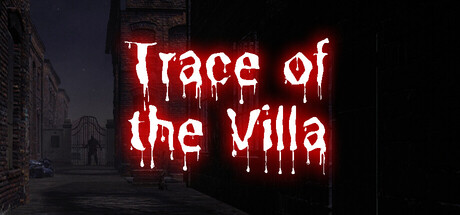
Who should consider Trace of the Villa after atmospheric mystery adventures
Trace of the Villa is a story-first, clue-driven investigation set in a remote, decaying mansion where Jin follows fragments of evidence that suggest his missing sister may still be alive. If you prize environmental storytelling, slow-burn suspense and puzzles that reward careful observation over jump-scare horror, this Steam indie release is squarely aimed at that audience.

Quick facts
| Title | Trace of the Villa |
|---|---|
| Release date | 28 May, 2026 |
| Developer / Publisher | Steadyturtle Co., Ltd. |
| Genres | Action · Adventure · Indie |
| Key Steam categories | Single-player, Color Alternatives, Custom Volume Controls, Playable without Timed Input, Subtitle Options, Family Sharing |
| Steam page | Open on Steam |
What Trace of the Villa is (straight from the page)
The official premise centers on Jin, who has been searching for his missing sister for years. A new lead points him to an off-grid mansion that appears deliberately forgotten: rooms left mid-routine, locked doors, and personal belongings without photographs or names. When Jin restores power to the estate, secured systems return online, hidden compartments open, and safes reveal fragments of encrypted documents and suspicious transfer records—financial trails and falsified identities that hint the house was part of a larger, controlled operation.
When and where
Trace of the Villa launched on Steam on 28 May, 2026. It’s presented on PC via Steam as a single-player title developed and published by Steadyturtle Co., Ltd., with accessibility options such as subtitle support and controls that don’t require timed input.
Why the theme matters
This is an investigative mansion mystery rather than a straight survival-horror romp. The conceit—a place where identities seem erased and systems quietly hide evidence—frames the experience around unpeeling layers of context. That emphasis changes what you’re asked to do: gather fragments, read documents, restore systems and piece together institutional traces rather than simply fleeing or fighting a monster.
How you progress: tone, pacing, clues and exploration
Official details indicate progression is anchored to restoring the estate’s systems and unlocking secured areas. Expect a puzzle pattern that runs from environmental observation (rooms left in mid-routine) to mechanical or logic barriers (locked doors, safes, encrypted fragments) and document-based threads (transfer records, falsified identities). The narrative tone implied by the description is slow-burn—silence that grows heavier as discoveries mount—so this will suit players who prefer accumulating context and inference over adrenaline spikes.
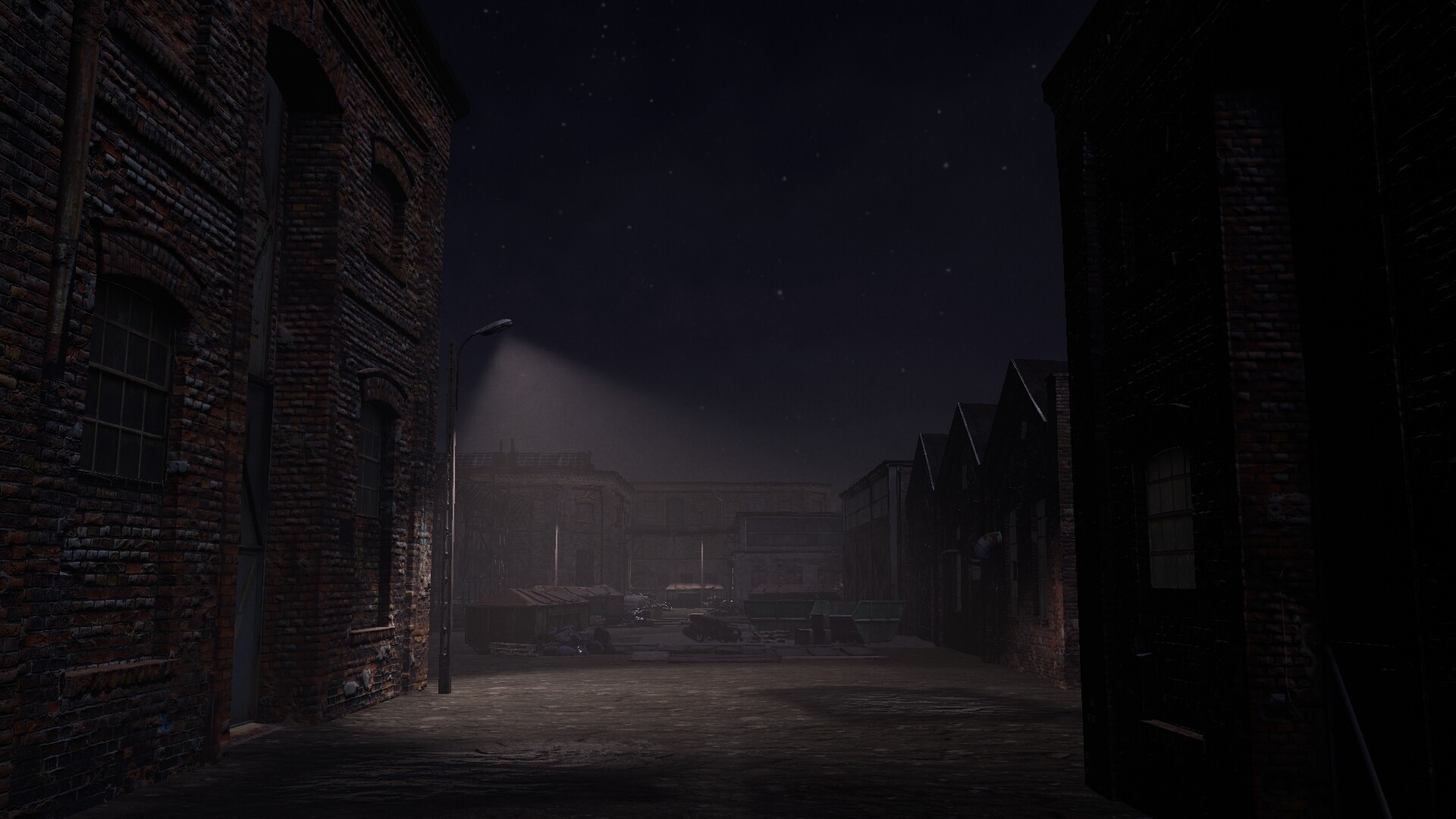
How it compares — tone, pacing, puzzle focus and exploration
| Title | Tone | Pacing | Clue / Puzzle focus | Exploration style |
|---|---|---|---|---|
| Trace of the Villa | Mansion mystery, investigative, atmospheric | Slow-burn, methodical | Document fragments, secured systems, safes and hidden compartments | Environment-led, system restoration reveals new areas |
| Amnesia: The Dark Descent | Immersive survival horror | Tense, often frantic | Environmental clues tied to survival and sanity mechanics | First-person exploration with emphasis on evasion |
| SOMA | Sci‑fi psychological horror | Slow, contemplative with episodic peaks | Philosophical and narrative clues, audio logs and terminals | Linear exploration of contained facilities |
| Layers of Fear (2016) | Psychological, painterly horror in a Victorian house | Atmospheric and unfolding | Story-led environmental puzzles; changes in the environment reveal story | Roaming mansion where rooms shift to reveal narrative beats |
| The Room | Locked-box, tactile puzzle atmosphere | Puzzle-focused, measured | Mechanical puzzles and object manipulation | Isolated puzzle spaces rather than broad exploration |
| Rusty Lake Hotel | Surreal, point-and-click eerie puzzles | Short, vignette-based pacing | Inventory and environment puzzles with odd logic | Discrete rooms and episodes with a recurring location |
Who should wishlist Trace of the Villa — player scenarios
- You liked Layers of Fear for atmosphere but wanted more investigation: If you enjoy mansion settings that reveal story through objects and rooms, Trace of the Villa emphasizes clue-gathering and restoration of systems over surreal environmental shifts.
- You enjoy The Room’s puzzle density and mechanical locks: The Steam description mentions safes, hidden compartments and encrypted fragments—players who like methodical, multi-stage puzzle solutions should find familiar satisfactions.
- You come from Amnesia or SOMA for immersion but prefer less combat or madness mechanics: Trace of the Villa reads as an investigative, narrative puzzle experience where uncovering institutional traces and falsified identities drives tension rather than direct survival mechanics.
- You like episodic, vignette-style mysteries (Rusty Lake fans): Expect contained reveals within a larger property; the mansion scaffolds a sequence of discoveries rather than disconnected puzzles.
Practical notes
The Steam page lists accessibility features such as color alternatives, custom volume controls, subtitle options and the option to play without timed input—features that matter for readers who prefer a deliberate, observational playstyle.
YouTube discovery
Looking for trailers or gameplay clips? Use this search to find player uploads and trailers on YouTube: Search Trace of the Villa on YouTube. (This is a discovery link; check channel descriptions to confirm official sources.)
View Trace of the Villa on Steam
Referenced titles and trademarks belong to their respective owners. Comparisons above are editorial discovery meant to help readers decide if Trace of the Villa fits their taste; they are not endorsements or claims of affiliation.