Trace of the Villa: why quiet tension and erased identities can be more unsettling than loud scares
Trace of the Villa arrives as a slow-burn atmospheric mystery adventure built around investigation, missing histories, and the sensation that rooms — and people — were simply wiped from the record. Its strength is uncertainty: the game expects you to sit with gaps, notice the small absences, and follow financial traces and sealed systems back toward an explanation.

Who is this for?
Players who prefer psychological investigation over jump scares: people who like environmental storytelling, methodical clue-gathering, and narrative puzzle design. If you value story-rich adventure pacing and a mansion mystery that relies on implication rather than explicit horror set-pieces, Trace of the Villa is aimed at your tastes.
What the game is
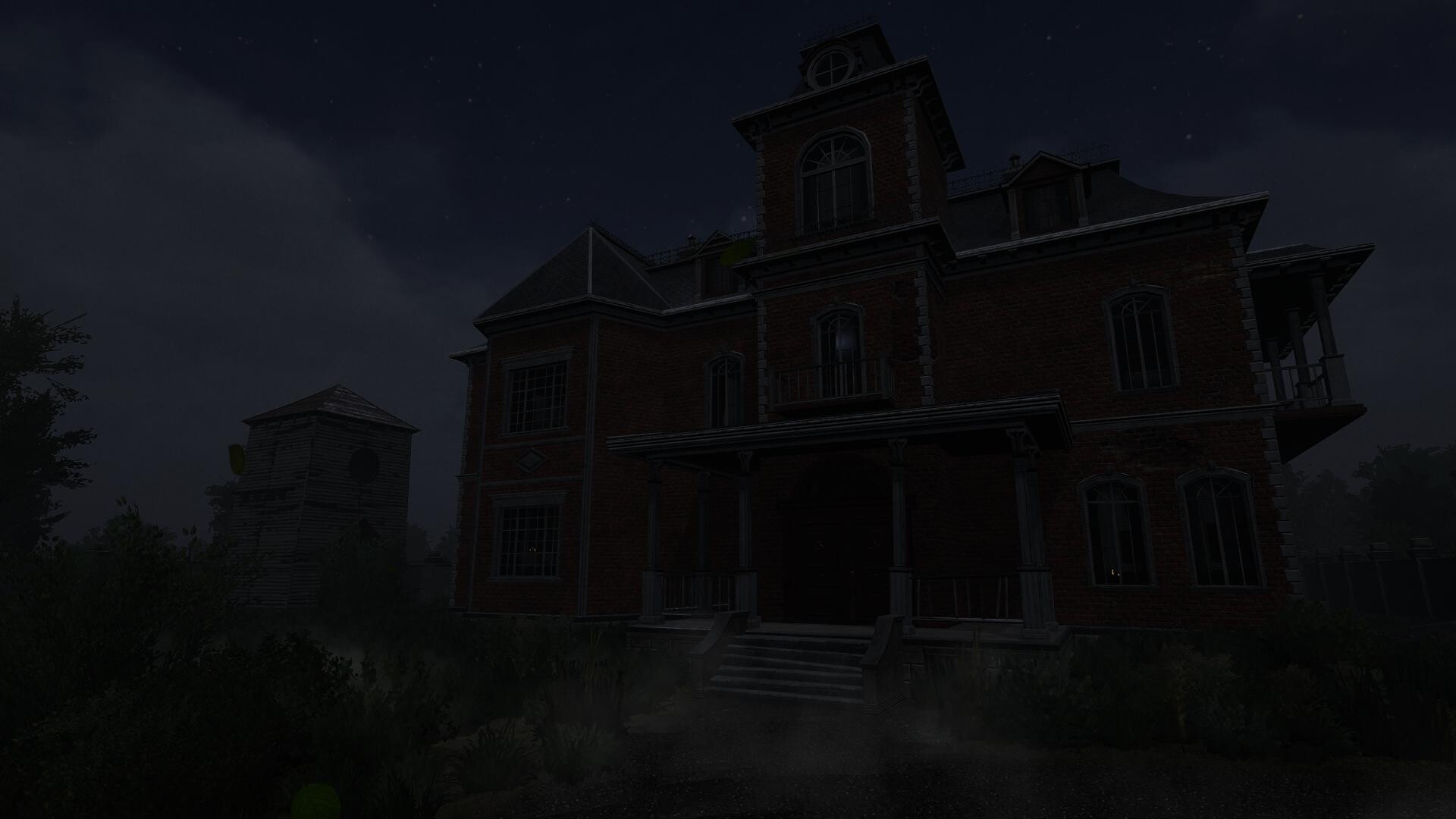
Trace of the Villa is an Action / Adventure / Indie title from Steadyturtle Co., Ltd. The official premise centers on Jin, who has spent years searching for his missing sister. A lead brings him to a remote, decaying mansion where manifests and locked systems suggest his sister may still be alive somewhere at the end of the trail. The house reads less like an abandoned place and more like a site that has had its histories and identities erased: furnished rooms with no photographs, falsified identities in documents, and financial traces that lead nowhere.
When and where
Trace of the Villa released on 28 May, 2026 and is available on Steam for PC. It is a single-player experience listed with categories including Color Alternatives, Custom Volume Controls, Playable without Timed Input, Subtitle Options, and Family Sharing.
Why quiet tension — and erased identities — matter here
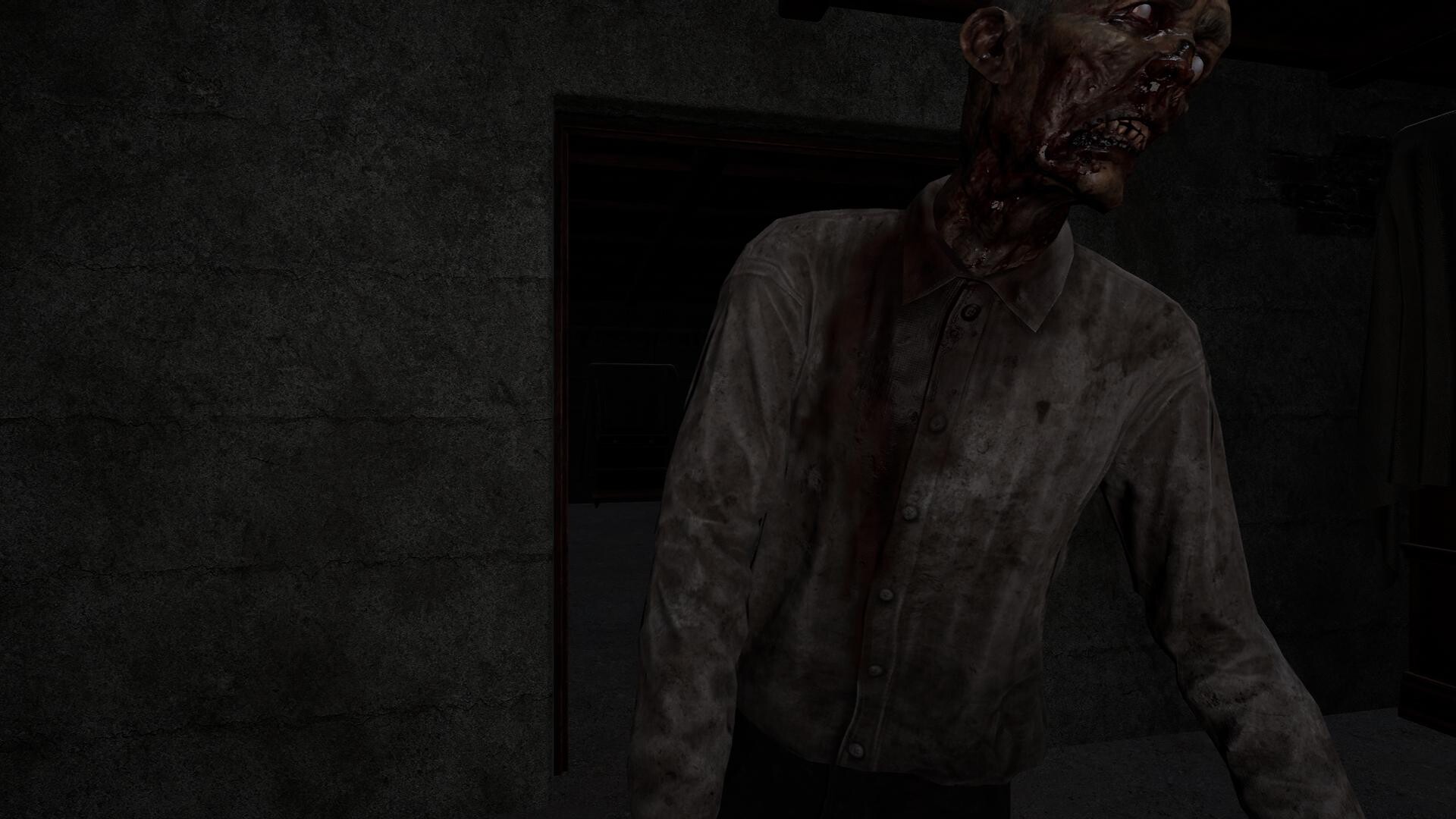
Horror that trades on uncertainty asks a different question than a game that trades on shocks: what happens when the world refuses to give you a complete narrative? Trace of the Villa leans into absences — missing photos, locked safes that open to fragments, systems that only reveal themselves when you restore power — and makes those gaps the engine of dread. Identity erasure is not merely a plot device; it reshapes player inference. When names, records, and faces are removed, small details (a folded receipt, a partially decrypted manifest) become emotional anchors that both guide and unnerve.
How progression and investigation work
Gameplay is clue-driven exploration. You piece together manifests, decrypt fragments, unlock safes, and restore estate systems to get access to further information. The official description highlights that restoring power makes the house reveal what it was hiding: secured systems come back online, hidden compartments unlock, and safes yield fragments of encrypted documents and suspicious transfer records. Progression therefore mixes environmental puzzle-solving with investigative reads of documents and traces rather than action-led combat or timed reflex challenges.
Compact facts — Trace of the Villa
| Title | Trace of the Villa |
|---|---|
| Developer / Publisher | Steadyturtle Co., Ltd. |
| Release date | 28 May, 2026 |
| Genres | Action, Adventure, Indie |
| Steam categories | Single-player; Color Alternatives; Custom Volume Controls; Playable without Timed Input; Subtitle Options; Family Sharing |
| Official premise | Jin searches a remote, decaying mansion where manifests and hints suggest his missing sister may still be alive; rooms feel erased of identity and records are falsified. |
| Steam App | Trace of the Villa on Steam |
Player scenarios — who should wishlist this
- For investigative explorers: You prefer reading documents, restoring systems, and following paper trails. If you enjoy slow reveals and piecing timelines together, this fits.
- For atmospheric players: You want tension generated by silence, absence, and mise-en-scène rather than frequent jump scares.
- For narrative puzzle fans: You like puzzles that unlock context (safes, encrypted fragments, locked rooms) rather than mechanical dexterity or timed action.
- Not ideal if: You want constant, high-intensity action or a horror loop built around frequent scripted shocks; this is built on subtlety and deduction.
How this compares to a few nearby titles
Below is a focused editorial comparison on lawful criteria — atmosphere, puzzle focus, exploration style, story tone, and pacing — to help decide fit, not to claim superiority.
| Title | Primary atmosphere | Puzzle / investigation focus | Exploration style | Pacing / tone | Who might prefer it |
|---|---|---|---|---|---|
| Trace of the Villa | Quiet, erasure-driven suspense | Clue-driven: manifests, encrypted fragments, systems | Mansion-based, methodical room-by-room reconstruction | Slow-burn, investigative | Players who want narrative puzzle design and atmospheric mystery |
| Amnesia: The Dark Descent (2010) | Immersive, existential dread | Environmental puzzles with a survival-horror tension | First-person exploration with physics-based interactions | Relentless pressure with moments of quiet; high immersion | Those who want immersion and survival stress layered on exploration |
| SOMA (2015) | Sci-fi existential horror | Philosophical investigation and document-based reveals | Exploration through confined, atmospheric environments (underwater facility) | Slow, contemplative, unsettling | Players drawn to story questions about identity and consciousness |
| Layers of Fear (2016) | Psychological, surreal mansion atmosphere | Story-linked puzzles tied to the protagonist’s unraveling | Shifting, claustrophobic mansion spaces | Artful, hallucinatory, focused on narrative tone | Those who want a painterly, psychological descent in a mansion setting |
| Poppy Playtime (2021) | Playful-to-terrifying factory horror | Puzzle mechanics tied to gadgetry (GrabPack) | Exploration of an abandoned factory with gadget-based interactions | Brisker, more arcade-adjacent moments amid tension | Players who like mechanical puzzles with intermittent scares |
YouTube discovery
Looking for trailers or gameplay videos? Search for Trace of the Villa on YouTube: Search Trace of the Villa trailers and gameplay on YouTube. This link is a discovery path — confirm a video’s official status before assuming it is an official trailer.
Final take
Trace of the Villa is designed around the discomfort of missing pieces and erased identities. If you enjoy quiet tension, reading what’s not there as much as what is, and following carefully placed breadcrumbs across a decaying estate, it’s worth adding to your wishlist. If you prefer constant, visceral shocks or fast-paced action, it will likely feel too patient.
Disclaimer: Referenced titles and trademarks belong to their respective owners; comparisons above are editorial discovery only.