
Trace of the Villa — Rooms as Puzzle Spaces and Story Containers
Trace of the Villa casts you as Jin, a man who follows a cold lead to a remote, decaying mansion and begins to restore the estate’s power, unlocking locked doors, safes and encrypted fragments that may point to his missing sister. The game frames each room as both a mechanical puzzle and a narrative container, where object logic and clue-reading gradually reveal a larger, unsettling operation behind the house.

Who: who should wishlist or play this
- Players who prefer slow-burn atmospheric mystery adventure driven by environmental storytelling and room-by-room investigation.
- Puzzle players who enjoy object logic (searching, combining, powering systems back on) rather than twitch reactions — the Steam page lists “Playable without Timed Input” and “Subtitle Options” among its categories.
- Fans of narrative puzzle design who want exploration that ties directly to a protagonist’s personal stakes—Trace of the Villa’s short description centers on Jin’s search for his missing sister.
What: what the game is
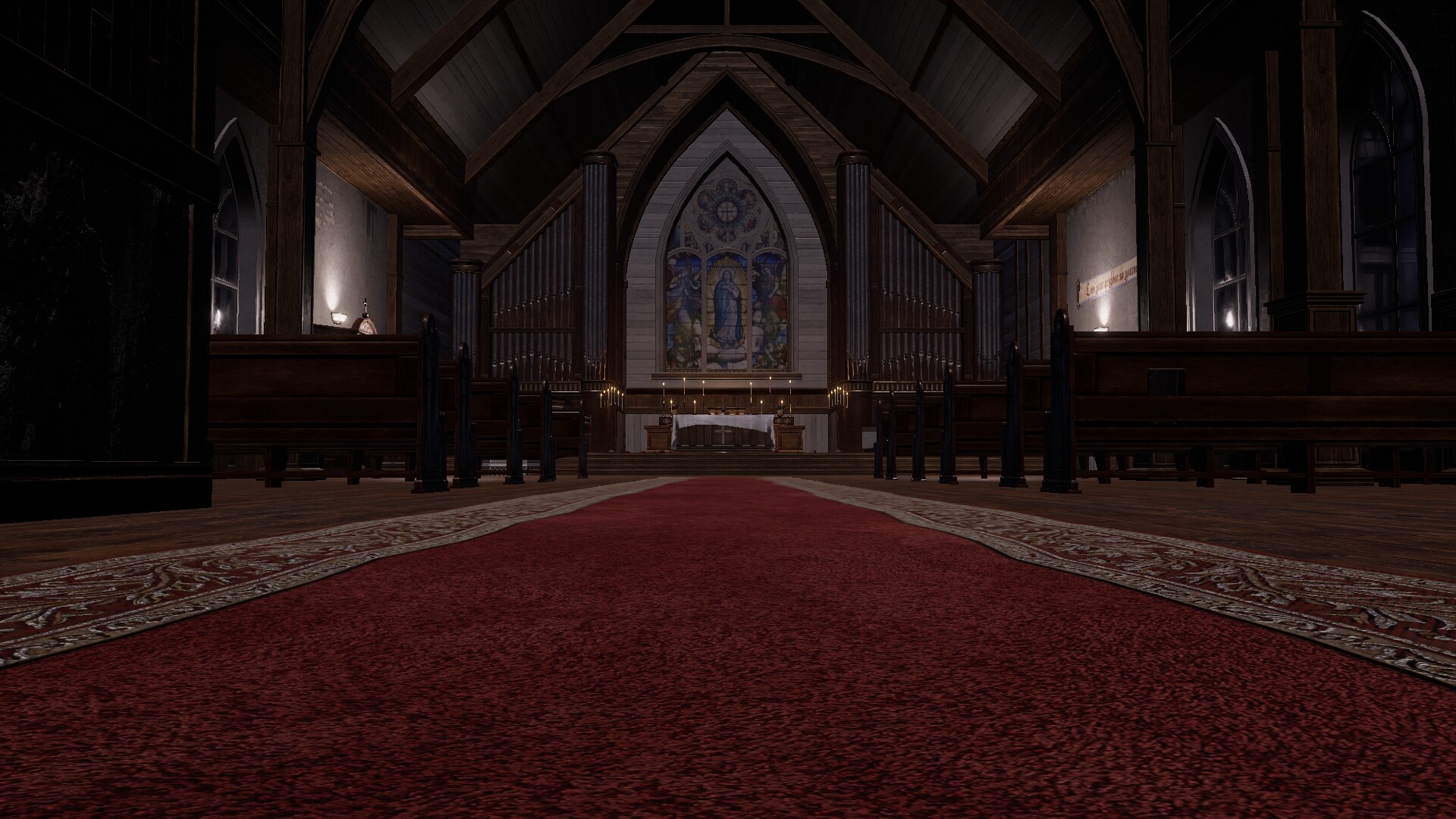
Trace of the Villa is an Action / Adventure / Indie title from Steadyturtle Co., Ltd. The official Steam description sets the premise clearly: Jin finds a property that looks “less abandoned than erased,” restores power to the estate and begins to uncover safes, encrypted documents and falsified identities that suggest the mansion was part of a larger, concealed operation. Rooms remain furnished as if their occupants vanished mid-routine, turning each space into a set-piece mixing physical puzzles and investigative beats.

When & where: release and Steam context
Release date: 28 May, 2026. Trace of the Villa is available on Steam for PC; the Steam page lists it as Single-player and includes accessibility and control options such as Color Alternatives, Custom Volume Controls and Playable without Timed Input.
Compact facts
| Title | Trace of the Villa |
|---|---|
| Steam AppID | 3483660 |
| Release date | 28 May, 2026 |
| Developer / Publisher | Steadyturtle Co., Ltd. |
| Genres | Action, Adventure, Indie |
| Key categories | Single-player; Color Alternatives; Custom Volume Controls; Playable without Timed Input; Subtitle Options; Family Sharing |
| Official short description | Jin has spent years searching for his missing sister, pursuing leads that took him to a remote, decaying mansion where he recovered manifests and hints that indicate his sister may still be alive, somewhere at the end of the trail he is about to follow. |
Why the theme matters: rooms as story containers
Trace of the Villa treats rooms not just as puzzle arenas but as repositories of erasure: furnishings left mid-use, locked doors hiding financial trails, and safes containing fragments that point to people who had their identities removed. That design choice foregrounds investigative reading—clues live in the arrangement and absence inside rooms, so interpretation becomes a core gameplay mechanic as much as any lock-and-key puzzle.
How you read clues and progress: object logic and story puzzles
- Clue reading: expect evidence to be revealed incrementally. Restoring power and interacting with secured systems is described in the official text as a primary way the mansion “begins to reveal what it was hiding.”
- Object logic: rooms are staged with personal belongings and systems—safes, locked compartments, and encrypted documents are explicit elements from the Steam description. Progress is built from combining observational detail with opened systems to reveal next threads.
- Story puzzles: narrative fragments are uncovered through puzzle resolution; financial trails, falsified identities and transfer records are cited in the official description as the kinds of breadcrumbs Jin pieces together.
How Trace of the Villa compares — a concise editorial table
| Title | Atmosphere | Puzzle focus | Exploration style | Story tone | Player fit |
|---|---|---|---|---|---|
| Trace of the Villa | Decaying, investigative mansion (atmospheric mystery) | Object logic, locked systems, encrypted fragments (room-based) | Room-to-room, restoring systems to unlock new content | Personal stake + institutional mystery (missing sister, falsified identities) | Players who like slow-burn mystery and experiential clue-reading |
| The Room | Closed, tactile puzzle-box atmosphere | Mechanical puzzle boxes and safes | Focused, single-room/box exploration | Mystery anchored to an artifact | Puzzle-box enthusiasts who enjoy tactile, isolated challenges |
| The Room Two | Expanded cryptic halls with a similar tactile tone | Complex mechanical puzzles across interconnected spaces | Linear progression through linked rooms | Evocative, enigmatic narrative prompts | Players who liked The Room and want broader scope |
| Escape Simulator | Interactive, playful escape-room vibe | Highly interactive object puzzles; physics-enabled interactions | Room-based but with emphasis on manipulation and community rooms | Casual, puzzle-first tone | Players who want tactile interactions, solo or co-op, and breakable objects |
| Unpacking | Domestic, contemplative and intimate | Spatial, item-placement puzzles that reveal life-stories | Room-by-room but non-mystery, narrative emergent from objects | Zen, personal biography through possessions | Players who like quiet, narrative-driven object puzzles |
| hack_me | Technical, simulation-focused | Hacker-simulator tasks: cmd, brute force, SQL injection | System-focused rather than physical room exploration | Simulator/competitive hacking tone | Players who want coding-simulator puzzles rather than environmental mystery |
Player scenarios — specific ways Trace of the Villa will click (or not)Steam page
View Trace of the Villa on Steam
YouTube discovery
For trailer and gameplay discovery, use YouTube search rather than relying on unverified embeds: Find Trace of the Villa trailer and gameplay searches on YouTube.
Leave a Reply