
Trace of the Villa — how puzzles quietly build a mystery
Trace of the Villa puts you in the shoes of Jin as he follows faint manifests and hints through a decaying mansion, piecing together a trail that may lead to his missing sister. The game blends environmental storytelling, locked systems and document-based puzzles to let the house itself hand you the story — without laying everything bare at once.

Quick facts
| Title | Trace of the Villa |
|---|---|
| Release date | 28 May, 2026 |
| Developer / Publisher | Steadyturtle Co., Ltd. |
| Genres | Action, Adventure, Indie |
| Categories (selected) | Single-player; Color Alternatives; Custom Volume Controls; Playable without Timed Input; Subtitle Options; Family Sharing |
| Steam AppID | 3483660 |
Who should wishlist Trace of the Villa?
Players who prefer slow-burn, atmospheric mystery adventures that reward careful reading and observation will find this appealing. If you enjoy environmental storytelling — where furniture, locked doors and system logs act as the primary narrators — Trace of the Villa is aimed at that sensibility. The Steam categories indicate accessibility features such as subtitle options and no timed-input requirements, which helps players who want to savour clues at their own pace.
What the game is
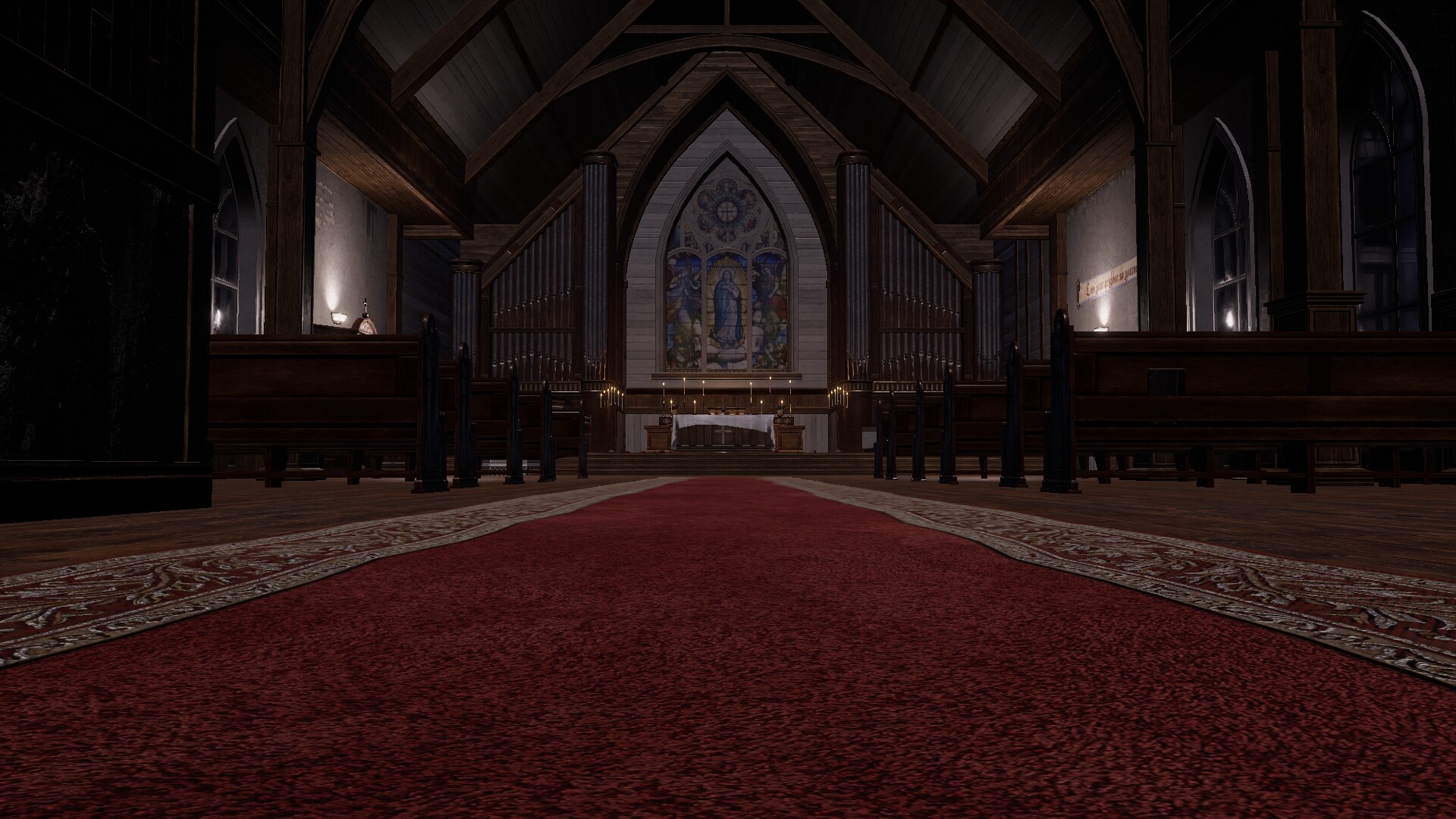
Official copy describes Jin’s investigation of a remote, deliberately forgotten mansion where rooms appear “erased” of identity — furnished and lived-in but stripped of names and photos. As Jin restores power, secured systems and hidden compartments reveal manifests, encrypted documents and suspicious transfer records. Those artifacts form the gameplay loop: solve puzzles, unlock systems, read fragments of evidence, and let the house’s artifacts imply a larger clandestine operation without spelling every detail out.
When and where
Trace of the Villa released on Steam on 28 May, 2026. It is presented as a PC Steam title by Steadyturtle Co., Ltd., listed under Action / Adventure / Indie and the single-player category with accessibility options indicated on the Steam page.
Why the theme matters (and how it’s handled without spoiling)
The core theme — searching for a missing person inside an environment that’s been deliberately scrubbed of identity — creates a reading-first puzzle style. Rather than cinematic exposition, the game surfaces evidence in fragments: manifests, transfer records and encrypted notes. That design lets players infer motives and timelines from accumulative detail. Because story beats come through clues you actively discover, the emotional stakes build with each unlocked file and reopened room, and revelations remain player-earned rather than handed to you by cutscenes.
How clue reading, object logic and story puzzles shape the experience
Trace of the Villa appears to combine three puzzle pillars that shape how the narrative unfolds:
- Clue reading: Documents and manifests are treated as primary storytelling objects. The player reads partial records and combines them with environmental context to form hypotheses about who came and went.
- Object logic: Furnishings and locked compartments function as both puzzles and narrative props — the placement and state of objects suggest actions that happened before your arrival. Solving the mechanical puzzle often produces a piece of story evidence.
- Story puzzles: Encrypted documents and secured systems act like narrative gates: cracking them yields new evidence and often changes the mansion’s accessible space (restored power, unlocked safes). The reward is information, not just items — progress reveals fresh facts to interpret.
Because these mechanics reveal evidence in fragments, the game preserves mystery while letting attentive players assemble a coherent timeline. That balance is key: puzzles are meaningful because they uncover new story data, but they are designed to avoid spoon-feeding the plot.
Specific player scenarios
- If you like investigative pacing: You’ll appreciate a game that hands you partial records and environmental hints rather than constant narrator summaries. Expect to cross-reference multiple artifacts to form a theory.
- If you prefer high interactivity: Trace of the Villa emphasizes restored systems and opened compartments as the route to narrative progress, so players who enjoy unlocking layered mechanics will be satisfied.
- If you dislike timed pressure: The Steam categories list “Playable without Timed Input,” so players who want to read and think without countdowns should be comfortable.
- If you want explicit plot spoilers revealed early: This is not for you — the game’s design intentionally parcels evidence across puzzles so discoveries feel earned rather than revealed wholesale.
Comparison: where Trace of the Villa sits among puzzle-adventure peers
Below is a compact editorial comparison using lawful criteria: genre, atmosphere, puzzle focus, exploration style, story tone and pacing. It is intended to help readers decide which title matches their play preferences.
| Title | Genre / Tags | Atmosphere & Puzzle Focus | Exploration Style | Pacing / Story Tone |
|---|---|---|---|---|
| Trace of the Villa | Action, Adventure, Indie | Mansion mystery; document-based evidence, encrypted/systems puzzles | Environment-led, rooms unlock as power/systems restored | Slow-burn, investigative, clue-driven |
| The Room | Adventure, Indie | Closely focused mechanical puzzles around ornate safes and devices | Room- and object-centric, puzzle boxes | Isolated, tactile puzzle progression |
| Unpacking | Casual, Indie, Simulation | Zen, domestic clue-reading through objects and placement | Static locations with interpretive object placement | Quiet, intimate, non-confrontational |
| Escape Simulator | Adventure, Casual, Indie, Simulation | Highly interactive escape-room puzzles; movable objects, physics | Room-based with emphasis on interaction and manipulation | Fast or cooperative, puzzle variety over narrative depth |
How this affects your decision to wishlist
Wishlist Trace of the Villa if you favor environmental storytelling where the act of solving puzzles hands you the evidence you need to interpret motive and timeline. If you want mechanical, tactile box puzzles with fewer narrative fragments, other titles like The Room emphasize that. If you seek a relaxed, interpretive experience centered on belongings, Unpacking offers a different emotional approach. For players who want maximal physical interaction with objects and cooperative puzzles, Escape Simulator is a contrasting choice.
YouTube discovery
Looking for trailers or gameplay clips? Use this search path to find Trace of the Villa trailers and playthroughs (useful for visual pacing and puzzle feel; not an official video verification): YouTube search: Trace of the Villa trailer & gameplay.
Where to view on Steam
See the Steam store page for screenshots, platform details and the official description: Trace of the Villa on Steam
Referenced titles and trademarks belong to their respective owners. This comparison is editorial discovery only, using official store descriptions and publicly available metadata.
Leave a Reply