
Trace of the Villa — an investigation for meticulous players and lore readers
Trace of the Villa puts you in Jin’s shoes: years of searching for a missing sister lead to a remote, deliberately forgotten mansion where manifests, locked systems, and erased identities wait to be reconstructed. For players who prefer environmental storytelling, slow-burn suspense, and clue-driven exploration, this release promises careful piecing together of a larger conspiracy rather than sudden shocks.

Quick facts
| Title | Trace of the Villa |
|---|---|
| Developer / Publisher | Steadyturtle Co., Ltd. |
| Steam appid | 3483660 |
| Release date | 28 May, 2026 |
| Official short description | Jin has spent years searching for his missing sister, pursuing leads that took him to a remote, decaying mansion where he recovered manifests and hints that indicate his sister may still be alive, somewhere at the end of the trail he is about to follow. |
| Genres | Action, Adventure, Indie |
| Steam categories | Single-player; Color Alternatives; Custom Volume Controls; Playable without Timed Input; Subtitle Options; Family Sharing |
Who should wishlist this
If you read every journal entry, backtrack corridors for a single overlooked scrap, or treat locked safes as story beats rather than loot caches, Trace of the Villa is aimed at you. The Steam categories emphasize accessibility (subtitles, no timed input, color alternatives), so players who want to concentrate on investigation and narrative rather than twitch reactions will find the setup welcoming. Players who prefer fast-paced action or multiplayer spectacle should note the game is single-player and focused on atmosphere and investigation.
What the game actually is
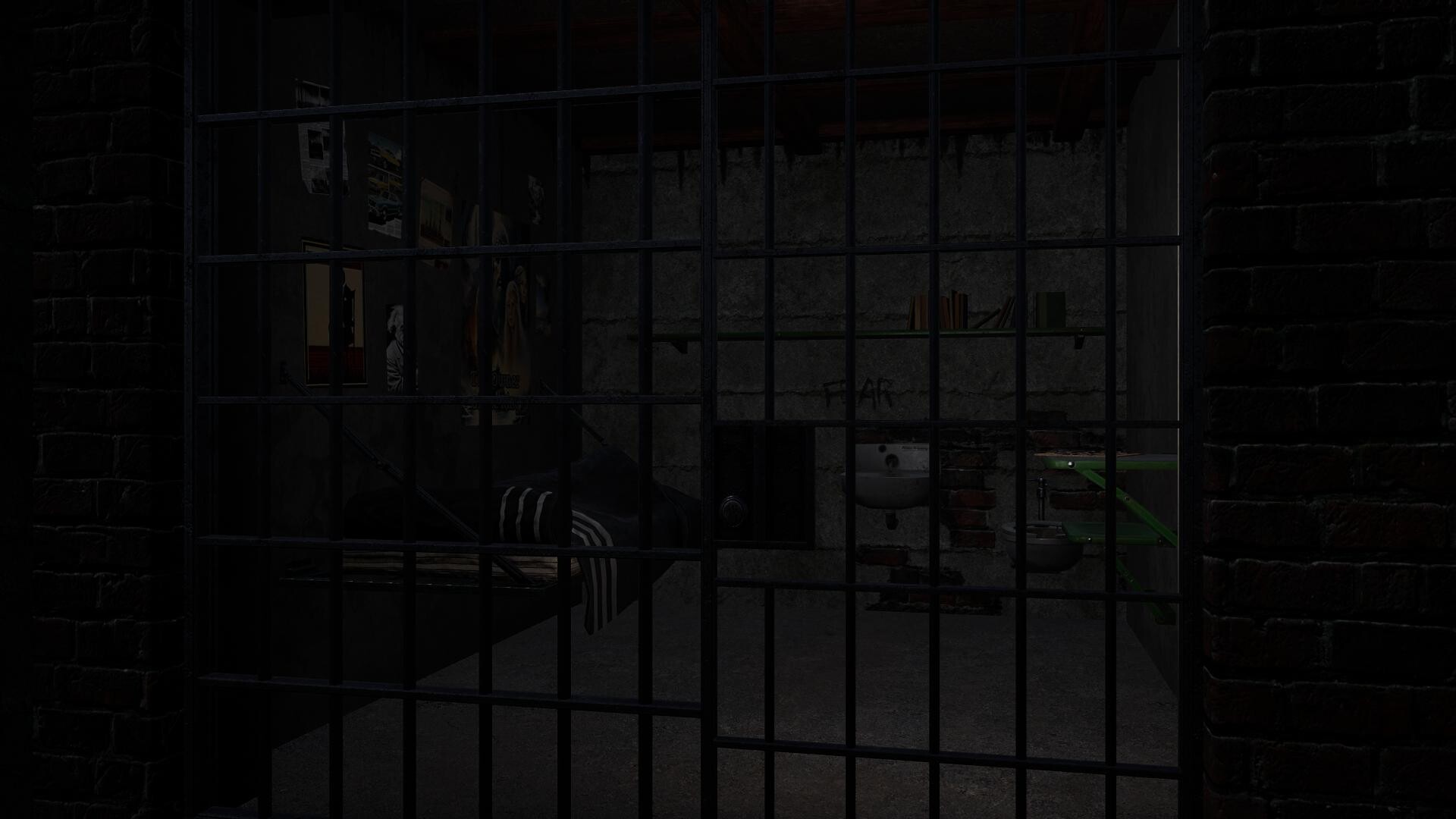
Official Steam materials frame this as an investigation-led adventure: Jin arrives at a decaying mansion cut off from the grid and discovers rooms that feel “erased” — furnishings left mid-routine, locked doors, and deliberately absent names or photographs. Restoring power is an explicit gameplay moment that reactivates secured systems; puzzle solving yields encrypted documents, transfer records, and other fragments that point toward a controlled operation rather than a simple haunting. The pace is intentionally methodical — each restored system or opened safe reveals another layer of the house’s concealed history.
When and where
Trace of the Villa released on Steam on 28 May, 2026. The Steam app page (appid 3483660) lists Steadyturtle Co., Ltd. as both developer and publisher and shows the game’s Steam categories and accessibility options.
Why the premise matters for investigation fans
The mansion’s presentation — rooms left as if occupants vanished, identities scrubbed, and falsified records — makes the environment itself an evidence board. For lore readers, that means the house is not mere wallpaper: it’s a repository of partial truths, redactions, and financial footprints. Thematically, the game leans into identity, control, and bureaucratic obfuscation, so players who enjoy connecting encrypted fragments and financial breadcrumbs to human stories will get the most out of the investigation.
How you progress — reading clues and solving puzzles
From official text: restoring power to the estate reactivates systems, unlocks hidden compartments, and lets safes yield fragments and encrypted documents. Progress appears to be driven by exploration, system restoration, and puzzle-solving that reveals more of an orchestrated operation — false identities, suspicious transfers, and movements that leave no records. Expect environmental puzzles and locked systems to function as narrative gates: solve a puzzle, get a document, reinterpret earlier rooms.

Player scenarios — what to expect at playtime
- The meticulous cataloguer: You’ll spend time cross-referencing safe fragments against manifests and encrypted records. The game rewards note-taking and pattern recognition.
- The environmental historian: You read rooms like micro-narratives — how furniture placement, missing photographs, or a suddenly functional terminal recontextualizes prior discoveries.
- The puzzle-first investigator: Restoring power and solving locked-system puzzles are explicit progression mechanics; expect these to gate access to the next layer of documents and manifests.
- The slow-burn tension player: If you prefer pacing that builds unease through accumulation of clues rather than jump scares, the mansion’s deliberate erasure and bureaucratic mystery should fit your tastes.
Comparison: how Trace of the Villa fits among other story-rich mysteries
Below is an editorial comparison focused on genre, atmosphere, puzzle and exploration emphasis, and pacing to help you decide if Trace of the Villa matches your preferred investigative playstyle.
| Title | Primary Genre / Tone | Exploration style | Puzzle focus | Pacing / Story approach |
|---|---|---|---|---|
| Trace of the Villa | Action / Adventure / Indie — atmospheric mansion mystery | Linear mansion exploration, gated by systems and locked compartments | Document-based puzzles, system restoration, safes and encrypted fragments | Methodical, clue-driven, slow-burn suspense |
| Inscryption | Adventure / Indie / Strategy — card-based, psychological | Cards-as-environment; meta layers rather than physical mansion rooms | Escape-room style puzzles blended with deckbuilding mechanics | Surprising structural shifts and meta-narrative reveals |
| Outer Wilds | Action / Adventure — open-world, cosmic mystery | Open solar-system exploration; discovery by observation and experimentation | Puzzle logic tied to astrophysical systems and time loop mechanics | Exploratory, emergent discovery across repeated loops |
| The Forgotten City | Adventure / Indie / RPG — narrative time-loop mystery | Structured area exploration with a focus on dialogue and choices | Puzzles often driven by time-loop mechanics and social rules | Dialog-heavy, consequence-driven storytelling |
| The Medium | Adventure — psychological horror, dual-reality exploration | Linear exploration of a resort with overlapping spirit-realm spaces | Puzzles that use parallel-reality mechanics | Atmospheric, haunted-realism with psychological themes |
YouTube discovery
Looking for trailers or gameplay footage? Search results for Trace of the Villa on YouTube are a good starting point: Steam page
Leave a Reply