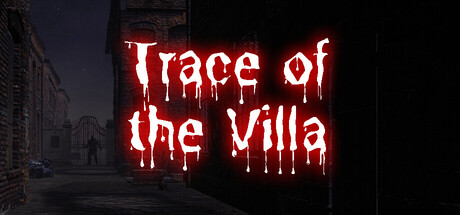
Trace of the Villa and the Power of Quiet Dread: Why Uncertainty Outweighs Cheap Shock
Trace of the Villa (Steadyturtle Co., Ltd., released 28 May, 2026) pitches a slow-burn investigation through a decaying mansion where every untouched room and disconnected system feels like a question. Jin’s hunt for a missing sister unfolds through manifests, encrypted fragments, and the deliberate erasure of identities — a setup that prizes atmosphere, ambiguity, and the tension of not knowing over jump scares.

Who this is for
Trace of the Villa is aimed at players who prefer atmospheric mystery adventure and psychological investigation over twitch reflex horror. If you like story-rich exploration, environmental storytelling that leaves gaps for the player to fill, and puzzle-led progress tied to narrative reveals, this is worth a closer look. The game sits in the Action / Adventure / Indie space on Steam but reads most closely to slow-burn, clue-driven exploration experiences.
What the game is
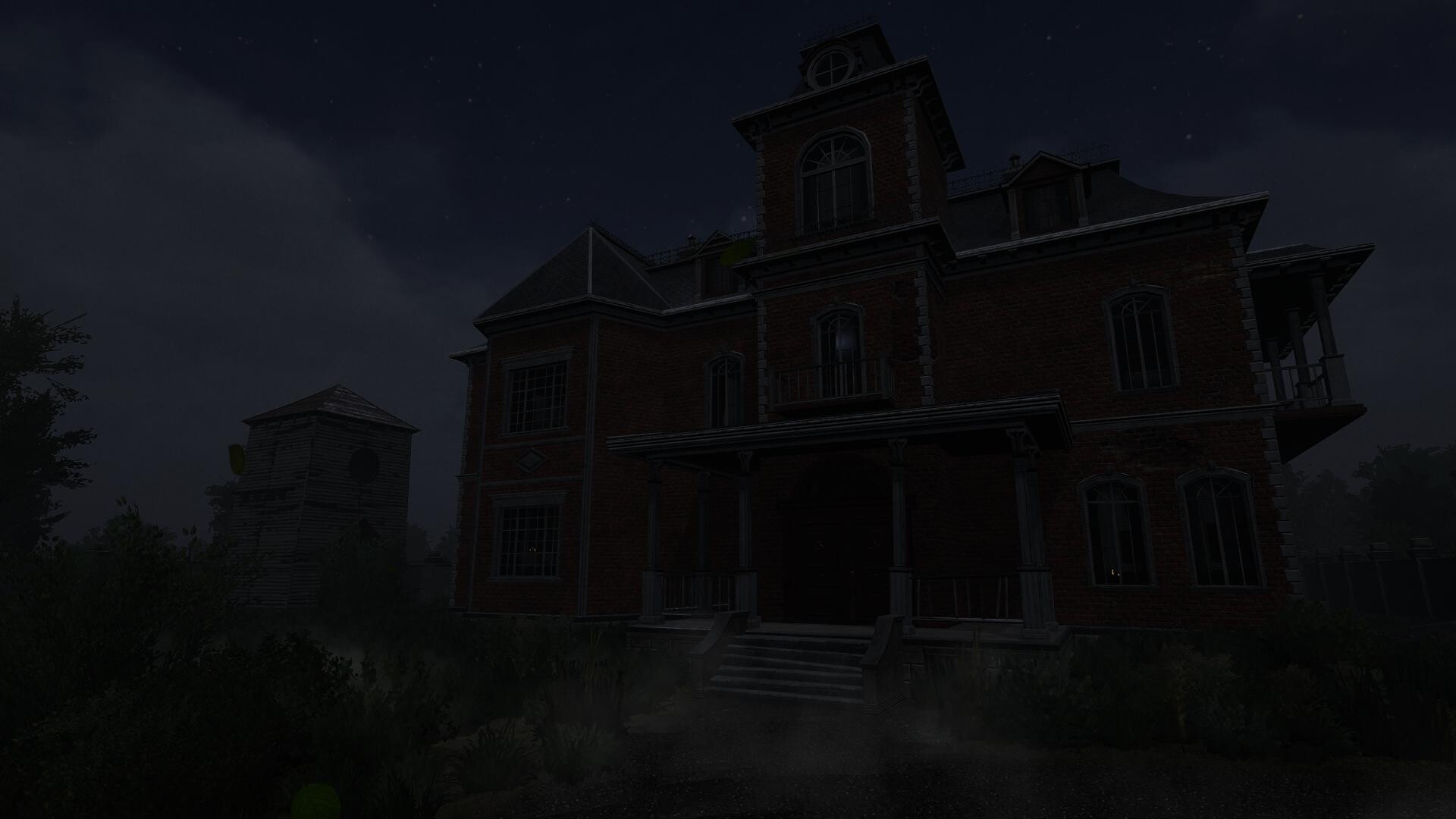
Officially: Jin has spent years searching for his missing sister. A lead takes him to a remote mansion cut off from the grid; inside, rooms are furnished as if their occupants vanished mid-routine and identities appear to have been removed. When Jin restores power, secured systems return online, hidden compartments and safes open, and puzzles yield fragments of encrypted documents and suspicious transfer records. These discoveries build a picture of an organized operation behind arrivals and departures rather than a simple haunted house.
When and where
Trace of the Villa is available on Steam for PC with a release date of 28 May, 2026. It is developed and published by Steadyturtle Co., Ltd. The Steam store page lists it under Action, Adventure, and Indie and includes accessibility options common to single-player narrative experiences.
| Title | Trace of the Villa |
|---|---|
| Steam AppID | 3483660 |
| Release date | 28 May, 2026 |
| Developer / Publisher | Steadyturtle Co., Ltd. |
| Genres | Action, Adventure, Indie |
| Categories | Single-player; Color Alternatives; Custom Volume Controls; Playable without Timed Input; Subtitle Options; Family Sharing |
Why quiet dread and uncertainty matter here
Empty rooms and ambiguous evidence create a cognitive tension that’s different from a sudden scare. The mansion in Trace of the Villa doesn’t just hide a monster — it suggests an institutional erasure of identity. That ambiguity forces the player into an interpretive role: is the horror systemic, accidental, or the deliberate result of human design? When a game lets you reconstruct missing context through manifests and encrypted fragments, the emotional weight is cumulative. Each small confirmation — a ledger entry, a transfer record, or a reopened safe — reframes what you thought you knew and sustains anxiety rather than releasing it in a single shock.

How you progress: reading the house
Progress in Trace of the Villa is a forensic loop: explore rooms, recover manifests and personal effects, restore systems, and then use newly unlocked systems to reach deeper layers of the estate. The official description highlights secured systems coming back online, hidden compartments unlocking, safes yielding encrypted documents, and puzzles that reveal financial trails and falsified identities. That structure implies an emphasis on environmental puzzle-solving and evidence-based storytelling rather than combat or repeated jump-scare encounters.
Player scenarios — who should wishlist this
- Slow-burn detectives: You enjoy parsing fragmented documents, connecting ledger entries to physical evidence, and reconstructing timelines from indirect clues.
- Atmosphere-first players: You prefer games that build tension through silence, staging, and implication rather than loud surprises.
- Explorers who like puzzles tied to narrative: You want puzzles that unlock story and access, not just mechanical gatekeeping.
- Fans of psychological mansion mysteries: If the idea of a property that feels “erased” — no names, no photographs, just traces — appeals to you, this will fit your taste.
How it compares to nearby mystery/puzzle games
Below is a focused editorial comparison on tone, puzzle focus, exploration style, and pacing — not an endorsement or ranking. These titles are included for readers to match preference patterns.
| Game | Core mood / setting | Puzzle focus | Exploration style | Pacing |
|---|---|---|---|---|
| Trace of the Villa | Decaying mansion, institutional erasure, investigative dread | Evidence-gathering, systems restoration, encrypted documents | Room-by-room, environmental, clue-driven | Slow-burn, cumulative reveals |
| Amnesia: The Dark Descent (2010) | Claustrophobic, personal nightmare | Survival puzzles tied to immersion and resource use | First-person, immersion-heavy exploration | Intense with calculated surges of threat |
| SOMA (2015) | Sci-fi undersea dread, existential horror | Puzzles that often advance story and philosophical questions | Facility exploration with narrative set-pieces | Measured, story-forward with suspenseful beats |
| Layers of Fear (2016) | Victorian manor, psychological unraveling | Environmental puzzles tied to narrative and perspective shifts | Shifting rooms, theatrical mansion traversal | Unsettling, deliberately disorienting |
| Poppy Playtime (2021) | Abandoned factory, confrontational toy threats | Gadget-based puzzles (e.g., GrabPack) with platform elements | Structured puzzle rooms within a factory layout | Brisker, with more overt threat encounters |
Deciding whether to wishlist
Wishlist Trace of the Villa if you prize narrative puzzle design, environmental storytelling, and slow-burn psychological tension set in an empty but suggestive mansion. If you need frequent action beats or combat-centric encounters, the game’s emphasis on clues and incremental revelations may not match your playstyle.
YouTube discovery
Looking for trailers or gameplay footage? Use this YouTube search to find available trailers and player videos: search Trace of the Villa trailer & gameplay. This link is a discovery path and does not imply any particular video is official unless verified.
View Trace of the Villa on Steam
Disclaimer: Referenced titles and trademarks belong to their respective owners. Comparisons above are editorial discovery based on genre, atmosphere
Leave a Reply