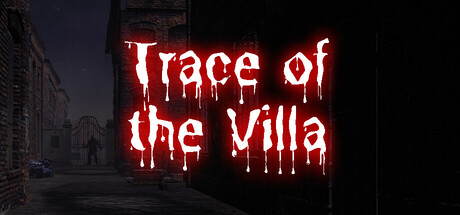
Trace of the Villa: Why Quiet Tension Often Matters More Than Loud Shocks
Trace of the Villa places you inside a deliberately forgotten mansion as Jin—an investigator searching for his missing sister—unspools a trail of erased identities and locked secrets. Released on 28 May, 2026 by Steadyturtle Co., Ltd., the game leans into mood, environmental storytelling and puzzle-led investigation rather than frantic jump-scares.

At a glance — facts for quick decisions
| Title | Trace of the Villa |
|---|---|
| Steam AppID | 3483660 |
| Release date | 28 May, 2026 |
| Developer / Publisher | Steadyturtle Co., Ltd. |
| Genres | Action, Adventure, Indie |
| Key categories | Single-player; Color Alternatives; Custom Volume Controls; Playable without Timed Input; Subtitle Options; Family Sharing |
| Platform | Steam / PC |
Who this is for
- Players who prefer slow-burn suspense and atmosphere over constant, loud shocks.
- Fans of story-rich, clue-driven exploration and environmental storytelling.
- People who enjoy piecing together narrative puzzles—unlocking systems, decrypting fragments and following financial or identity threads to learn what happened.
What Trace of the Villa is — gameplay and tone
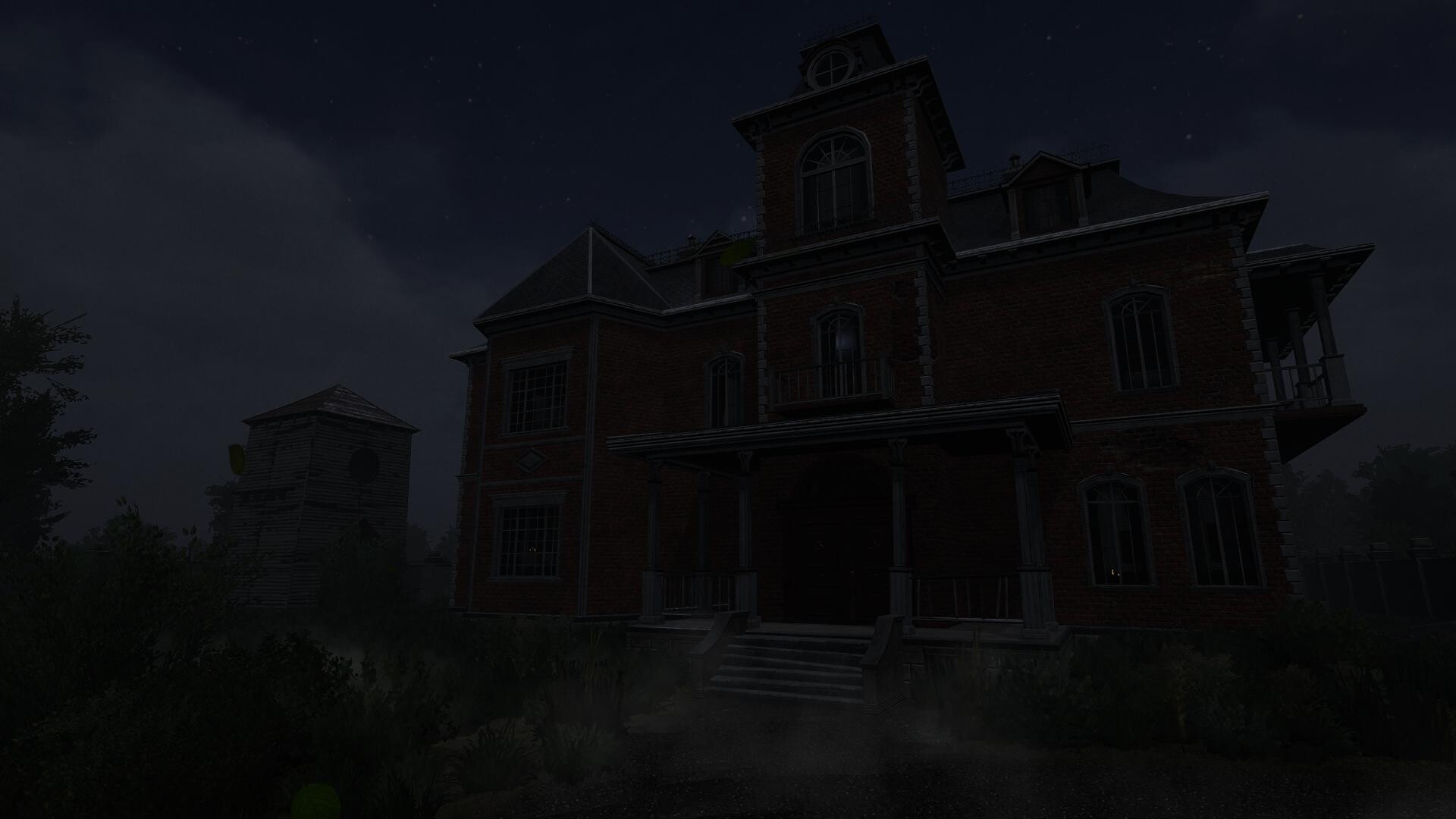
According to the Steam page, Jin’s search leads him to a remote, decaying mansion “cut off from the grid and deliberately forgotten.” Inside, rooms look as if occupants vanished mid-routine; there are locked doors, hidden compartments and encrypted documents. Restoring power to the estate is a gameplay beat that brings systems back online and lets the house reveal its carefully concealed operations: manifests, suspicious transfer records, falsified identities and evidence of people moving through the property under strict control. The design emphasis is on exploration, investigation and incremental revelation—an atmospheric mystery adventure rather than a spectacle of shock.

When and where: Steam context
Trace of the Villa is available on Steam with a release date of 28 May, 2026. The Steam page lists the game as Action / Adventure / Indie and includes categories useful to PC players—single-player, subtitle options, color alternatives and custom volume controls—so accessibility and presentation options are surfaced in the store listing.
Why the quieter approach matters
Psychological horror built on uncertainty depends on a player’s willingness to sit with unease. Trace of the Villa’s strengths—rooms preserved like evidence, partial systems that come back online, and decrypted fragments that suggest organized manipulation—reward patience. When tension is spread across exploration, sound design and the slow uncovering of motive and method, revelations land with narrative weight instead of a transient fright. For players who want the dread to come from implication and pattern recognition, that restraint is more satisfying than repeated startle tactics.
How you read clues and progress
- Restore estate systems to make new areas and data accessible—restoring power is explicitly noted as a moment where the house “begins to reveal what it was hiding.”
- Solve environmental and narrative puzzles to open locked doors and compartments; safes and encrypted documents yield fragments that extend the timeline.
- Follow manifests, transfer records and identity clues to stitch together the pattern of arrivals and departures—these are the game’s main investigative threads.
Player scenarios — should you wishlist it?
Scenario A: You like methodical, story-first horror
Wishlist if you prefer piecing together a timeline from scattered documents, restored systems and environmental cues rather than constant combat or reflex challenges.
Scenario B: You care about mood, visual detail and audio cues
Wishlist if slow-burn atmosphere and detailed interiors that hint at a lived-in past are what draw you to a mansion mystery.
Scenario C: You want puzzle-led progression with narrative payoff
Wishlist if puzzles that unlock documents and systems are appealing and you enjoy investigative pacing that gradually reveals the central conspiracy.
How Trace of the Villa compares to nearby titles
Below is a compact editorial comparison focused on genre, atmosphere, puzzle emphasis, exploration style and pacing. This is meant as editorial discovery — not an endorsement.
| Title | Genre / Release | Atmosphere / Tone | Puzzle & Exploration Focus | Pacing |
|---|---|---|---|---|
| Trace of the Villa | Action, Adventure, Indie — 28 May, 2026 | Decaying mansion, erased identities, investigative dread | Clue-driven: manifests, encrypted docs, systems to restore | Slow-burn, investigative |
| Amnesia: The Dark Descent | Action, Adventure, Indie — 8 Sep, 2010 | Immersive, survival-focused nightmare | Exploration and survival puzzles; heavy immersion | Intense, atmospheric |
| SOMA | Action, Adventure, Indie — 21 Sep, 2015 | Sci-fi dread, existential questioning | Environmental puzzles with narrative and philosophical weight | Measured, story-driven |
| Layers of Fear (2016) | Adventure, Indie — 15 Feb, 2016 | Shifting Victorian mansion, psychological unreliability | Story and atmosphere over mechanical puzzles | Fragmented, psychological |
| Poppy Playtime | Action, Adventure, Indie — 12 Oct, 2021 | Abandoned toy factory, tense cat-and-mouse set pieces | Puzzle adventure with active threat mechanics | Faster, more arcade-tinged tension |
Practical notes for Steam shoppers
The Steam listing emphasizes single-player play, subtitle options, accessibility features like color alternatives and custom volume controls, and that the game is playable without timed input—details that help players match the experience to their accessibility needs and preferred playstyle.
YouTube discovery
If you’d like to see trailers or gameplay clips, use this YouTube search path: Search Trace of the Villa trailers and gameplay on YouTube. This link is a discovery aid
Leave a Reply