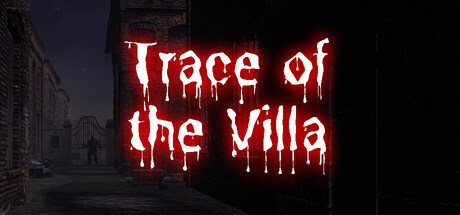
Trace of the Villa — a slow-burn mansion mystery built around fragments and absence
Trace of the Villa drops you into Jin’s search for a missing sister, where a decaying, off-the-grid mansion yields manifests, encrypted fragments, and clues that suggest she might still be alive. Released on 28 May, 2026 by Steadyturtle Co., Ltd., the game frames investigation as emotional labor: recovering erased lives one locked door at a time.

Quick facts
| Title | Trace of the Villa |
|---|---|
| Steam AppID | 3483660 |
| Release date | 28 May, 2026 |
| Developer / Publisher | Steadyturtle Co., Ltd. |
| Genres | Action, Adventure, Indie |
| Key Steam categories | Single-player; Color Alternatives; Custom Volume Controls; Playable without Timed Input; Subtitle Options; Family Sharing |
Who should wishlist this
- Players who prioritize atmospheric mystery adventure and environmental storytelling over headline spectacle.
- People who enjoy clue-driven exploration — cataloguing fragments of identity, decrypting documents, and reconstructing timelines.
- Fans of slow-burn suspense and mansion mysteries who want emotional stakes tied to a personal search rather than cosmic horror.
- Those who prefer accessible options (subtitles, color alternatives, no timed inputs) on PC/Steam.
What the game is — the premise and tone
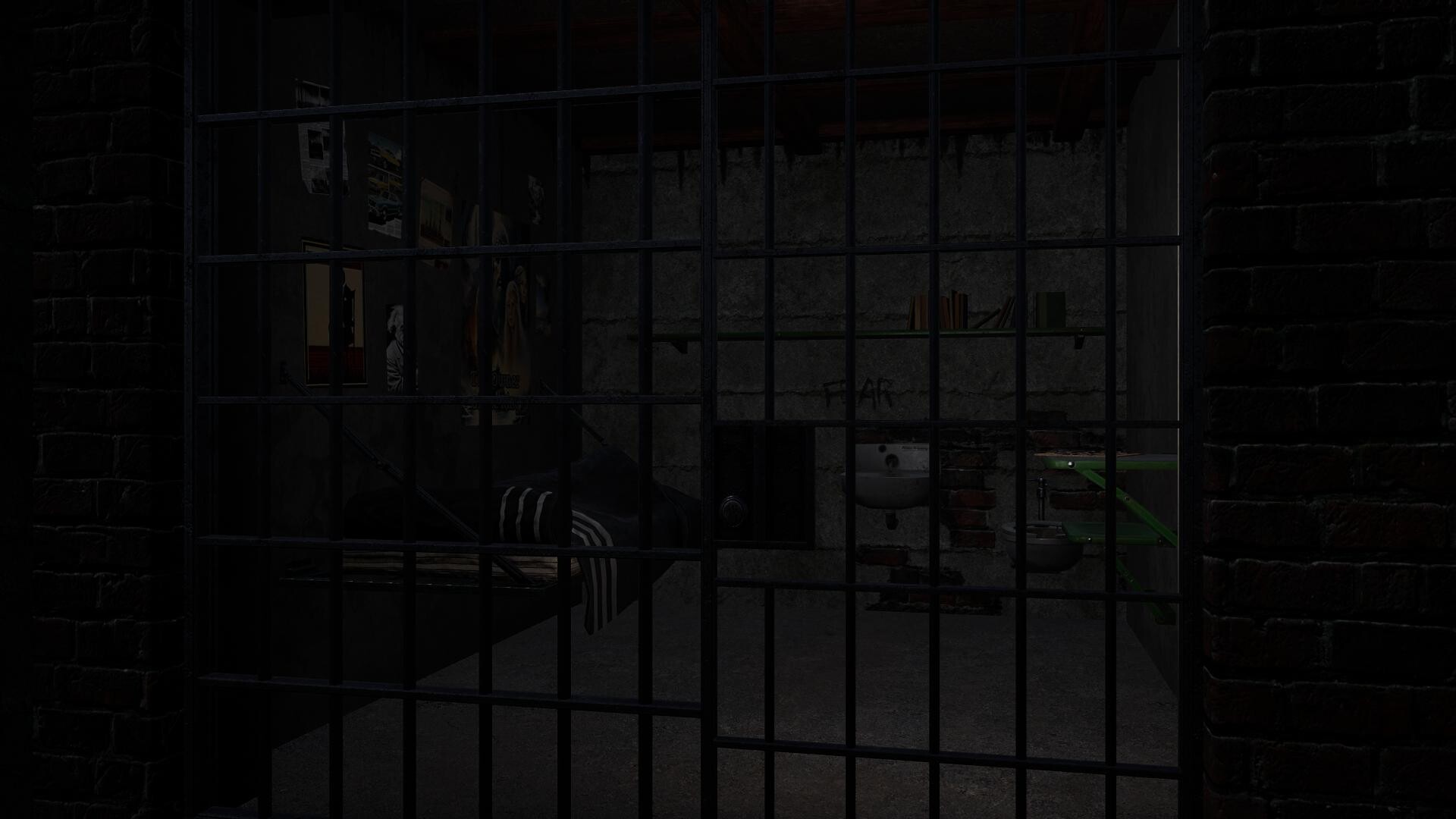
According to the official Steam description, Trace of the Villa follows Jin, who finds a lead pointing to a deliberately forgotten mansion. The house feels “less abandoned than erased”: furnished rooms frozen mid‑routine, locked doors hiding hurriedly secured secrets, and conspicuous absences — no names, no photographs, identities stripped from place. When Jin restores power, secured systems come back online, hidden compartments open, and safes yield encrypted documents and suspicious transfer records. The pieces reveal a pattern of arrivals without records and departures without witnesses, suggesting the property was part of a larger, concealed operation.

When and where — Steam context
Trace of the Villa launched on Steam on 28 May, 2026. It appears on the Store with standard PC discovery metadata and accessibility options like subtitle support and color alternatives. For direct access: Trace of the Villa on Steam.
Why the narrative curiosity matters
This is a story-driven search where absence is itself a clue. The emotional stakes are anchored to Jin’s missing sister: each recovered manifest or encrypted transfer record reframes what “missing” means in this world. The theme matters because the game ties investigative reward to personal closure — players aren’t just unlocking plot beats, they’re restoring identity to people the estate tried to erase. That focus shifts the emotional weight from jump scares or spectacle to unresolved relationships and the moral clarity of uncovering truth.
How you progress — reading the house as evidence
The Steam description emphasizes investigative systems: restore power to trigger secured electronics and hidden compartments; find safes and encrypted documents; interpret manifests and suspicious transfer records to build a timeline. Progress looks like piecing together scattered evidence until a pattern emerges. While the Steam page lists Action and Adventure among its genres, the official description underlines environmental storytelling, locked doors, encrypted fragments, and clue-based reconstruction as the core methods of progression.
Player scenarios — who will find it satisfying
- Slow-burn atmospheric player: You value tone and pacing over frequent action beats. You’ll enjoy searching rooms and letting small revelations accumulate.
- Puzzle and document sleuth: You’re motivated by concrete clues — manifests, transfer records, encrypted fragments — and enjoy assembling timelines from forensic scraps.
- Emotion-first investigator: The personal thread (Jin’s sister) gives discoveries weight; players who want narrative payoff tied to relationships will find this meaningful.
- Accessibility-minded PC player: The Steam categories show subtitle options, color alternatives, and controls suitable for players who prefer minimal timed inputs.
How it compares — editorial discovery table
| Title | Genre/Primary Focus | Atmosphere & Story Tone | Puzzle / Exploration Style | Pacing |
|---|---|---|---|---|
| Trace of the Villa | Action, Adventure, Indie | Mansion mystery; erased identities; personal search | Clue-driven: manifests, encrypted docs, restored systems | Slow, investigative |
| Inscryption | Adventure, Indie, Strategy | Inky, psychological horror with meta layers (card-table framing) | Card-based puzzles mixed with escape-room elements | Variable; tense and bite-sized loops |
| Outer Wilds | Action, Adventure | Wonder-driven mystery across a solar system; melancholy curiosity | Exploration-based puzzles, environmental clues across locations | Medium-paced, discovery loops (time-based) |
| The Forgotten City | Adventure, Indie, RPG | Moral mystery with conversational and time-loop elements | Dialogue and investigative puzzle mechanics to alter outcomes | Paced around narrative loops and consequences |
| The Medium | Adventure | Psychological horror; dual-reality investigation | Puzzle-solving across dual planes to reveal backstory | Linear, tension-forward |
| Journey | Adventure, Indie | Minimalist, contemplative exploration rather than detective mystery | Environmental navigation and symbolic storytelling | Slow and meditative |
Decision guide — will it fit your library?
Wishlist Trace of the Villa if you want an investigative adventure that privileges atmospheric reconstruction, personal stakes, and reading a house as evidence. If you prefer quick puzzle loops or heavy combat, this one leans more toward patient reconstruction and narrative tension. The Steam metadata (single-player, subtitle options, no-timed-input compatibility) also signals a pacing-friendly, player-accessible experience.
YouTube discovery
Search for trailers and gameplay clips here (useful for judging tone and pacing): Trace of the Villa — YouTube search. This link is a discovery path and does not imply an official video unless verified on the Store page.
References and trademarks: Referenced titles and trademarks belong to their respective owners. Comparisons above are editorial discovery only, using genre, tone, and design focus as lawful criteria.
Leave a Reply