Trace of the Villa — an investigation-first mansion mystery for methodical players
Trace of the Villa casts you as Jin, a relentless seeker who follows a cold lead to a remote, decaying mansion and uncovers manifests and hints that suggest his missing sister may still be alive. The Steam pitch centers on environmental storytelling and clue-driven progress: restoring power, unlocking hidden compartments, and recovering encrypted fragments that stitch together a carefully concealed operation.

Who this is for
- Meticulous players who enjoy reading manifests, decrypting documents, and reconstructing timelines from fragments.
- Lore readers and environmental storytellers who prefer narrative revealed through objects, system logs, and staged rooms rather than cutscenes.
- Investigation fans who prize slow-burn suspense and clue-driven exploration over blunt action — although Steam classifies the game under Action and Adventure as well.
What the game is (the pitch, in plain terms)
Trace of the Villa (developer/publisher: Steadyturtle Co., Ltd.) positions itself as a story-rich adventure rooted in a single-player mystery: Jin follows years of cold leads to an off-grid, deliberately forgotten mansion. According to the official Steam description, rooms appear as if occupants vanished mid-routine, identities seem erased, and secured systems reveal encrypted documents and suspicious transfer records once power is restored. The narrative thread is investigative — rebuild a timeline from manifests, hints, and recovered evidence to chase the possibility that Jin’s sister is still alive.
When and where
Release date on Steam: 28 May, 2026. The game is available on Steam (PC); the store page lists it under Action, Adventure, Indie and the Single-player category, with accessibility options such as Color Alternatives, Custom Volume Controls, Playable without Timed Input, and Subtitle Options.
Why the theme matters
The core mystery plays with identity and erasure — a mansion that looks occupied but whose records and photography are missing. For players who care about investigative texture (financial trails, falsified identities, and controlled movements are explicitly signposted in the description), the emotional pull comes from assembling a human story out of administrative debris: manifests, transfer records, and encrypted fragments rather than straightforward exposition.
How you read clues and progress
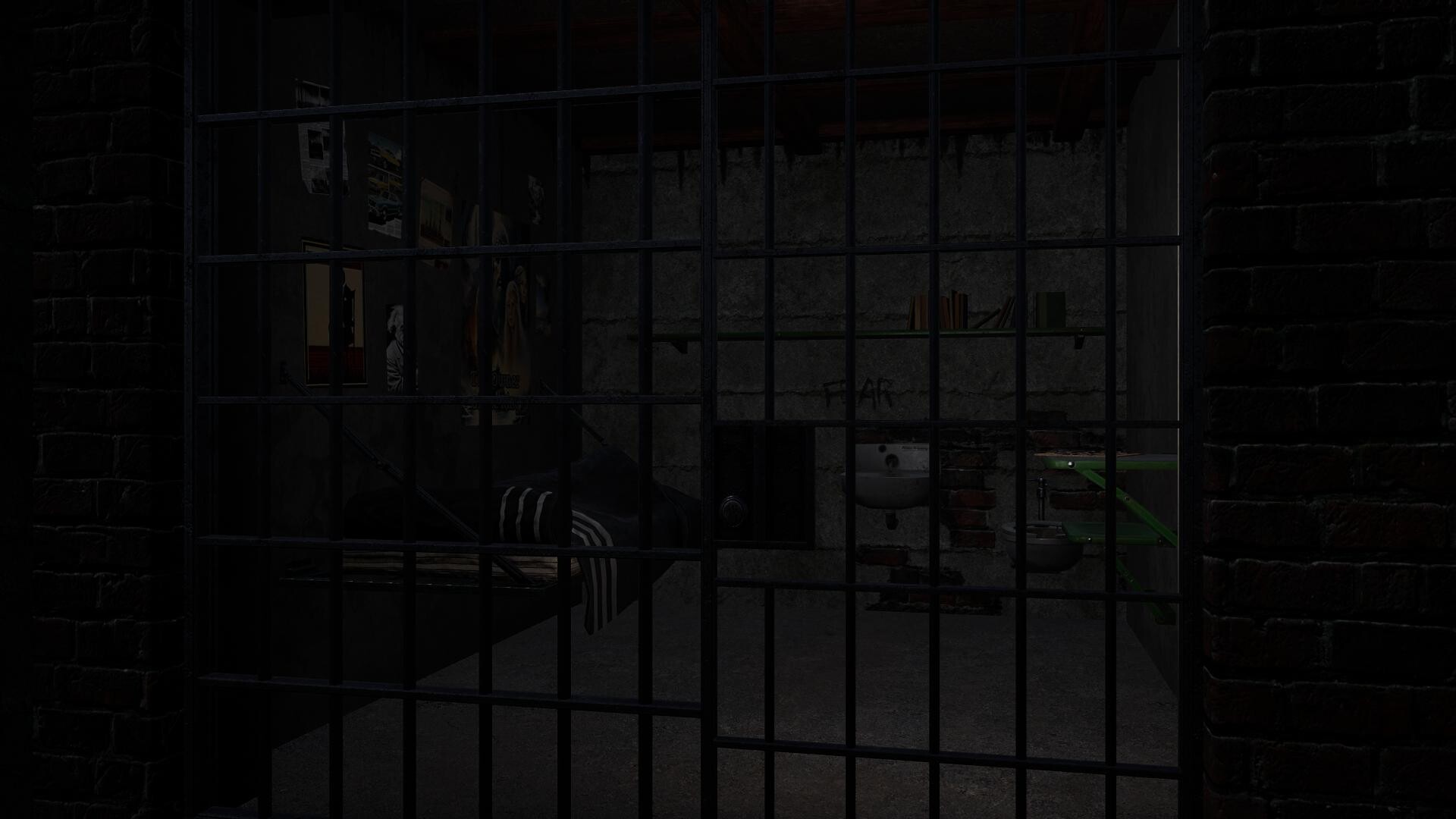
- Expect environmental storytelling: staged rooms, personal effects, and inaccessible systems that begin to yield information as you restore power and systems.
- Puzzle-led reveals: the Steam description notes safes, hidden compartments, and secured systems that unlock additional fragments of narrative when interacted with or decrypted.
- Clue aggregation and timeline building: the explicit design intent is investigative reconstruction — you piece together manifests and hints to form the map of past arrivals and departures that were intentionally obscured.
Player scenarios — would you wishlist it?
- If you enjoy piecing together a story from paperwork and logs (think methodical reconstruction rather than quick reflexes), add it to your wishlist.
- If atmospheric mansion mysteries with an investigative spine appeal to you, this is likely worth a closer look on Steam.
- If you want purely action-forward pacing with rapid combat checkpoints, note that the Steam page emphasizes investigation and environmental puzzle work even though the game is tagged Action/Adventure.
- If accessibility and comfort options matter, Steam lists features such as subtitles, color alternatives, and options to play without timed input.
Compact facts — Trace of the Villa
| Title | Trace of the Villa |
|---|---|
| Steam AppID | 3483660 |
| Release date | 28 May, 2026 |
| Developer / Publisher | Steadyturtle Co., Ltd. |
| Genres | Action, Adventure, Indie |
| Key categories | Single-player; Color Alternatives; Custom Volume Controls; Playable without Timed Input; Subtitle Options; Family Sharing |
| Official store page | View on Steam |
Screenshots

How it compares (quick editorial table)
Below is a focused editorial comparison on lawful criteria: genre, atmosphere, puzzle focus, exploration style, story tone, pacing, and player fit. This is an editorial discovery guide, not a ranking.
Leave a Reply