

Trace of the Villa — why quiet tension and uncertainty matter more than shock claims
Trace of the Villa is a story-rich, mood-driven mansion mystery built around slow-burn suspense and clue-driven exploration. It asks you to probe a decaying estate on 28 May, 2026 — piecing together evidence rather than relying on jump scares to deliver fear.
Quick facts
| Title | Trace of the Villa |
|---|---|
| Steam AppID | 3483660 |
| Release date | 28 May, 2026 |
| Developer / Publisher | Steadyturtle Co., Ltd. |
| Genres | Action · Adventure · Indie |
| Categories | Single-player; Color Alternatives; Custom Volume Controls; Playable without Timed Input; Subtitle Options; Family Sharing |
| Short premise | Jin searches a remote, decaying mansion for signs that his missing sister may still be alive. |
What Trace of the Villa is
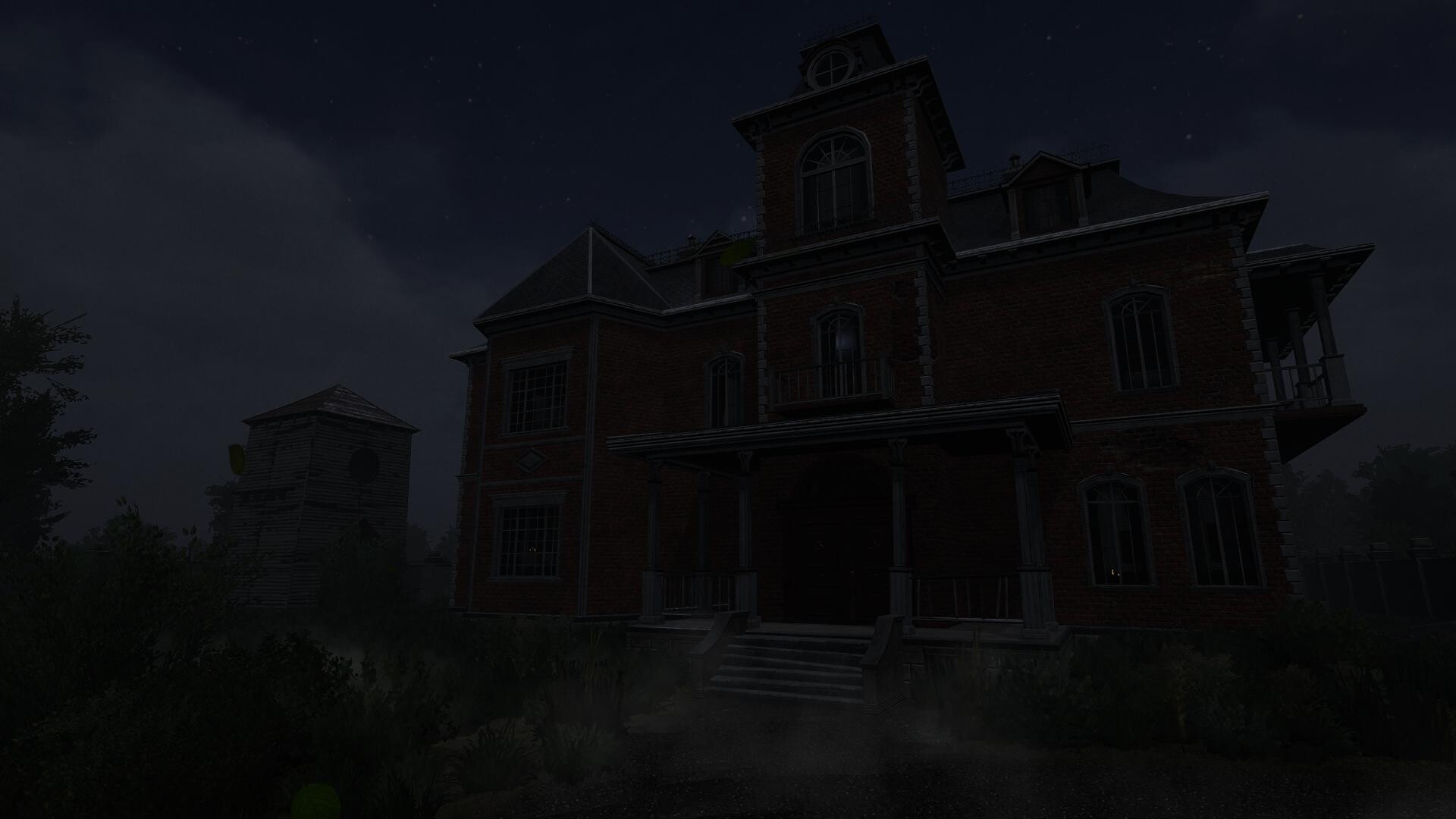
Officially, Trace of the Villa positions itself as a narrative investigation through an isolated, deliberately forgotten property. The protagonist, Jin, follows a lead to a mansion cut off from the grid and finds rooms furnished as if their occupants vanished mid-routine. Restoring power to the estate is a turning point in the description: secured systems return online, hidden compartments open, and safes yield encrypted fragments and suspicious records. The project frames itself as a blend of environmental storytelling and narrative puzzle design rather than an action-first horror romp.
Who this is for
This will appeal to players who prefer psychological investigation and slow-burn suspense: people who value atmospheric mystery adventure, methodical clue interpretation, and exploration that rewards attention. The game’s Steam categories (including Playable without Timed Input and Subtitle Options) suggest it accommodates a patient, detail-oriented playstyle rather than reflex-driven mechanics.
When and where
Trace of the Villa released on Steam on 28 May, 2026 and is listed under the Action, Adventure, and Indie genres. It is published and developed by Steadyturtle Co., Ltd. — available on Steam’s PC storefront (see link below).
Why quiet tension and uncertainty matter
Atmospheric horror that leans on silence, omission, and half-revealed records trusts the player’s imagination. When a game offers rooms “furnished as if their occupants vanished,” the absence itself becomes a storytelling device: missing photographs, anonymized possessions, and falsified identities create a persistent sense of erasure. That kind of sustained ambiguity — where the player discovers financial trails that lead nowhere and arrivals recorded without names — turns investigation into the primary emotional engine. The result is a tension that grows from pattern recognition and unresolved questions rather than from repeated jolts.
How you progress: reading clues and rebuilding the story
The official description highlights restoration and discovery as key systems: restoring power brings previously inert systems to life; safes and secured systems yield encrypted documents and suspect transfer records; hidden compartments and locked doors reveal further layers. Expect progression to center on environmental puzzle solving, document interpretation, and piecing together timelines from fragments — a paced, clue-driven arc that rewards careful examination of the mansion’s spaces and systems.
Player scenarios — who should wishlist it
- If you like slow-burn suspense: You enjoy atmospheric mystery adventure where mood and implication matter more than enemy encounters.
- If you prize environmental storytelling: You prefer clues embedded in surroundings — powered systems, safes, and documents — that gradually form a larger, unsettling picture.
- If you want less twitch, more thought: Categories like Playable without Timed Input indicate the game leans away from time-pressure mechanics and toward deliberate problem-solving.
- If you want accessibility options: Subtitle Options and Custom Volume Controls help tailor the experience for readers and players who rely on clarity of audio and text.
How it differs from nearby titles
Below is a compact editorial comparison on lawful criteria: genre, atmosphere, puzzle focus, exploration style, story tone, and pacing. This is an editorial discovery comparison, not a claim of superiority or official association.
| Title | Release Date | Genre / Focus | Atmosphere & Story Tone | Puzzle / Exploration Style | Pacing |
|---|---|---|---|---|---|
| Trace of the Villa | 28 May, 2026 | Action · Adventure · Indie | Mansion mystery; erased identities and financial traces; muted, investigative tension | Clue-driven: restoring systems, unlocking safes, reading encrypted fragments | Slow-burn, investigative |
| Amnesia: The Dark Descent | 8 Sep, 2010 | Action · Adventure · Indie | Immersive, oppressive Gothic horror that emphasizes helplessness | Exploration and survival with environmental puzzles and sanity mechanics | Brooding, sustained dread |
| SOMA | 21 Sep, 2015 | Action · Adventure · Indie | Sci‑fi existential horror; questions identity and consciousness | Exploration and narrative puzzles set in a confined, hostile environment | Measured, contemplative |
| Layers of Fear (2016) | 15 Feb, 2016 | Adventure · Indie | Psychological, hallucinatory Victorian mansion; focus on artistic madness | Environmental storytelling with shifting spaces and narrative puzzles | Variable, scene-driven |
| Poppy Playtime | 12 Oct, 2021 | Action · Adventure · Indie | Abandoned factory horror with a toy-themed antagonist aesthetic | Puzzle-adventure with gadget mechanics (GrabPack) and stealth elements | Mixed pace: puzzle openings with tense set pieces |
Visuals: samples from the Steam page

YouTube discovery
If you want trailers or gameplay clips, search YouTube for Trace of the Villa trailers and footage: Trace of the Villa — YouTube search. This is a discovery path; specific videos should be verified individually for official status.
View Trace of the Villa on Steam