Trace of the Villa: why quiet dread and unanswered doors matter more than jump scares
Trace of the Villa (Steadyturtle Co., Ltd., released 28 May, 2026) asks you to move slowly, listen closely, and learn the rules of a house that seems to have been erased rather than abandoned. The game places Jin — a man following clues to a missing sister — inside a decaying mansion where restoring power and unlocking systems pulls history back into view, piece by careful piece.

Who this is for
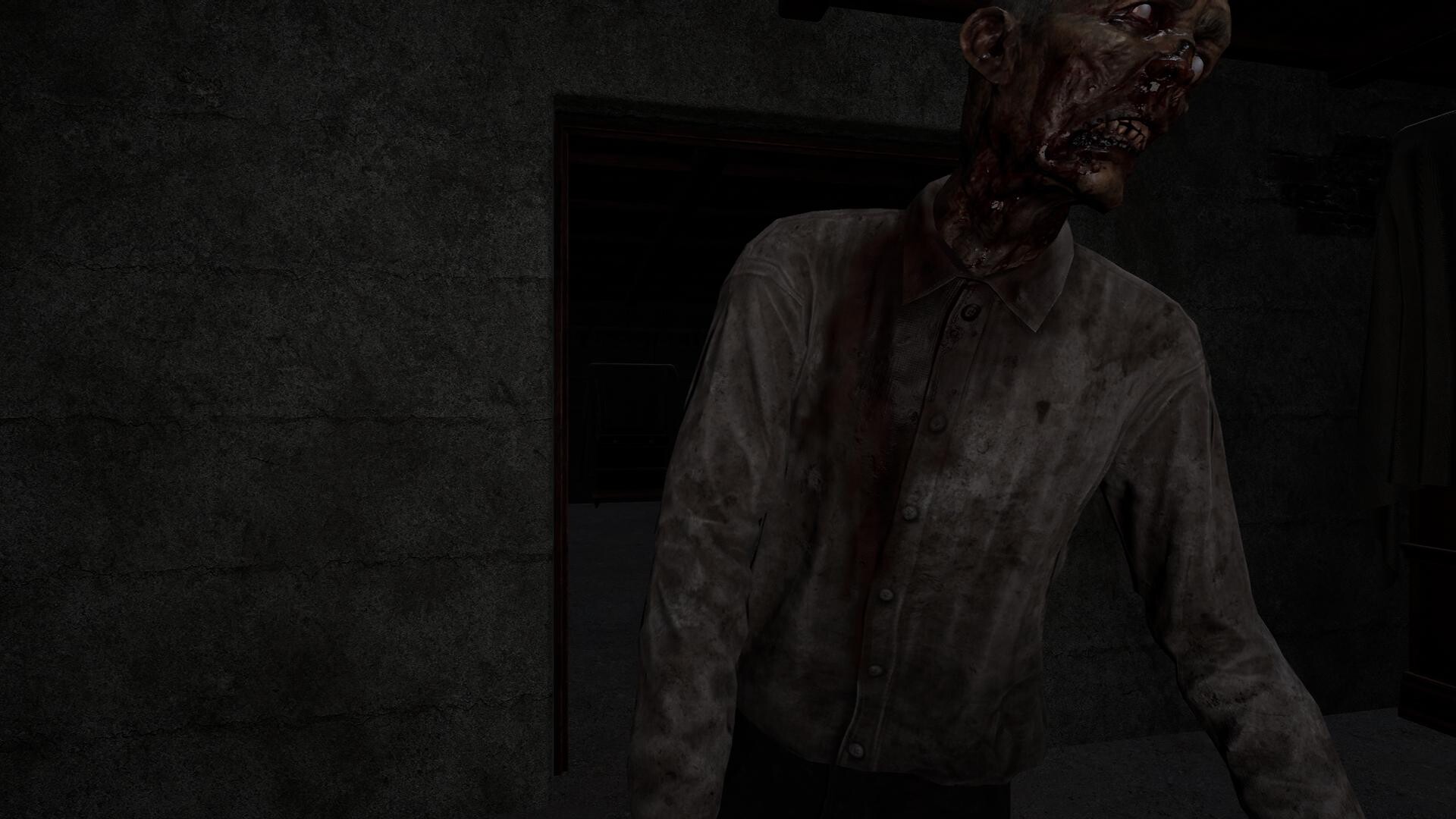
This is for players who prefer atmospheric mystery adventure over reflex-based horror: people who enjoy environmental storytelling, slow-burn suspense, and clue-driven exploration. If you want to solve privacy-tinged puzzles, sift through disrupted domestic scenes, and accept uncertainty as the main antagonist, this will likely appeal. If you want constant action or frequent jump-scare spectacle, this may not match your tempo.
What the game is
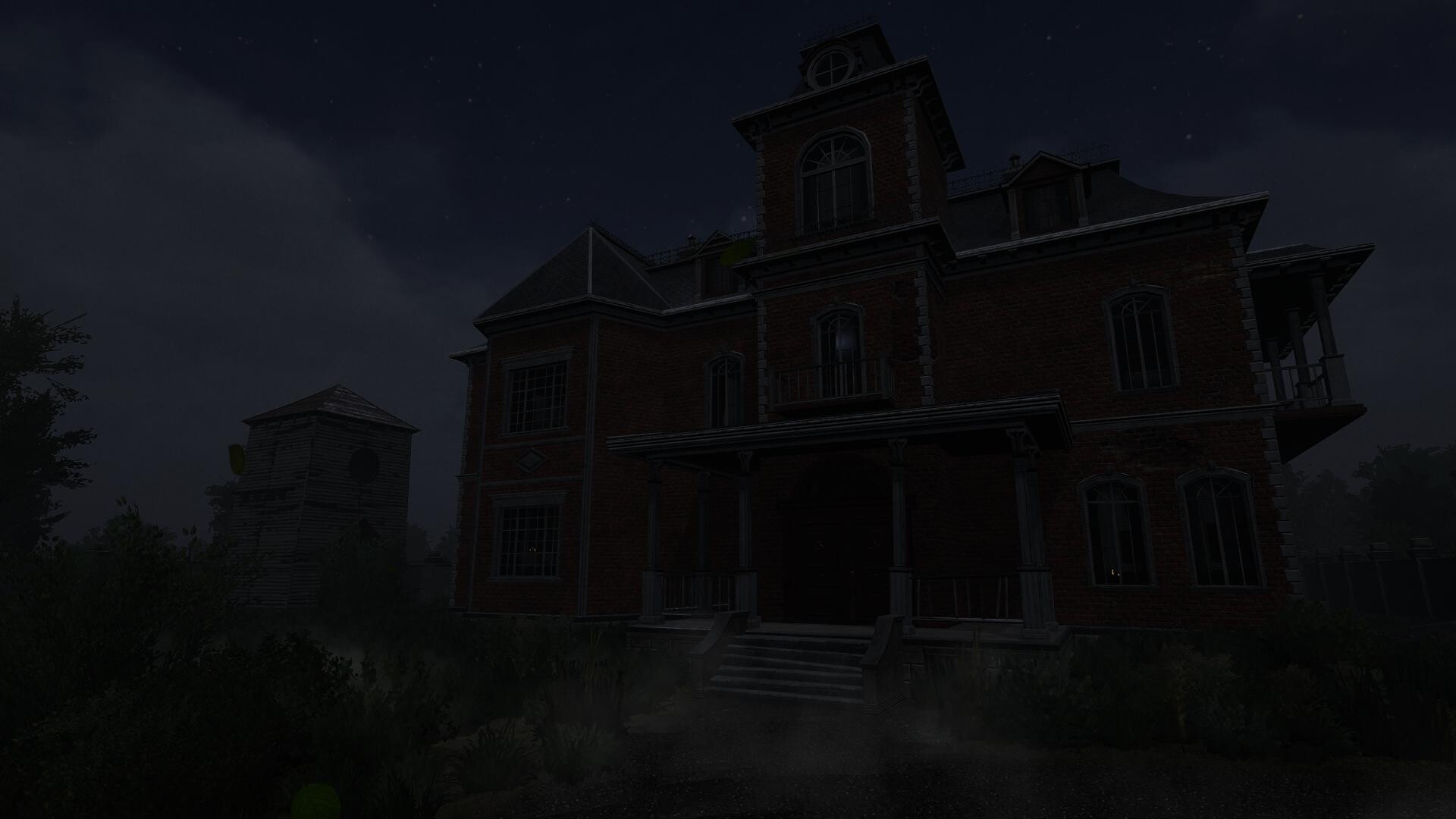
Trace of the Villa is a Steam PC title from Steadyturtle Co., Ltd. described on Steam as an action-adventure indie that centers on Jin’s search for his missing sister. The mansion at the center of the narrative is cut off from the grid and deliberately forgotten; rooms look as if occupants vanished mid-routine, identities erased, and records removed. Gameplay unfolds as you restore power, unlock systems, and extract encrypted fragments that reveal a pattern of falsified identities and controlled movements.
When and where
Trace of the Villa launched on Steam on 28 May, 2026. It is presented on the Steam store as a PC title in the Action, Adventure, Indie genres and listed with single-player and accessibility-oriented categories such as Subtitle Options and Custom Volume Controls.
| Title | Trace of the Villa |
|---|---|
| Steam AppID | 3483660 |
| Release date | 28 May, 2026 |
| Developer / Publisher | Steadyturtle Co., Ltd. |
| Genres | Action, Adventure, Indie |
| Notable categories | Single-player, Subtitle Options, Custom Volume Controls, Playable without Timed Input, Family Sharing |
| Premise | Jin searches a decaying mansion and uncovers evidence of falsified identities and controlled movements while trying to find his missing sister. |
Why the mansion’s quiet uncertainty is the point
Psychological tension in Trace of the Villa comes from absence as much as presence. The official description emphasizes rooms frozen mid-routine, missing names and photographs, and the feeling that identities have been removed. That creates a dread that isn’t resolved by a single reveal — it grows as information returns in small fragments. Restoring power and unlocking systems are literal mechanics that mirror the player’s increasing ability to interpret the space; the more you make the house speak, the more the implications of its blankness become chilling.
How you play: reading clues and making meaning
The Steam description lays out the central loop: restore power, watch secured systems come online, open hidden compartments, and extract fragments from safes and documents. Progress is less about combat and more about assembling a timeline from partial records — financial trails, falsified identities, and transfer records that point to an operation rather than a simple disappearance. Each solved puzzle reveals another layer, so progression is cumulative and investigative rather than episodic shock.
Player scenarios: who should wishlist this
- If you value atmosphere and slow-burn mystery: You’ll appreciate the mansion-as-character approach and the way small discoveries compound into unsettling implications.
- If you like clue-driven puzzles and environmental storytelling: Systems that return online and encrypted fragments will feel rewarding; the game privileges inference over exposition.
- If you prefer fast action or repeated jump scares: This is not aimed at you — the pacing is investigative and methodical.
- If accessibility features matter: Trace of the Villa lists Subtitle Options and Custom Volume Controls among its categories.
How this sits next to other psychological/mansion-style experiences
For context, below is an editorial comparison on lawful criteria: tone, setting, core focus, and pacing. This is intended to help you decide which title best fits your tastes.
| Title | Year | Tone / Setting | Primary focus | Pacing / Player fit |
|---|---|---|---|---|
| Trace of the Villa | 2026 | Decaying mansion, domestic erasure, quiet unease | Clue-driven exploration, restoring systems, puzzle investigation | Slow-burn; for players who prefer methodical discovery |
| Amnesia: The Dark Descent | 2010 | Claustrophobic gothic castle; existential dread | Immersion, survival elements, discovery of a personal nightmare | Immersive and tense; high emphasis on atmosphere and vulnerability |
| SOMA | 2015 | Sci-fi undersea installations; existential and philosophical dread | Survival-sci-fi narrative, questions of identity and consciousness | Measured pacing with narrative beats; suited to players who accept slow revelation |
| Layers of Fear (2016) | 2016 | Victorian mansion of a painter; shifting, surreal interiors | Atmosphere and storytelling via mutable spaces | Psychological and exploratory; focus on mood over action |
| Poppy Playtime | 2021 | Abandoned toy factory; horror with puzzle tools | Puzzle adventure with distinct set-pieces and hazards | More overt set-piece scares; faster moments mixed with puzzle exploration |
YouTube discovery
If you want to see trailer or gameplay clips, search YouTube for Trace of the Villa trailer/gameplay: YouTube search for Trace of the Villa. (Use this as a discovery path; videos on YouTube should be verified individually for official status.)
Leave a Reply