
Trace of the Villa — a clue-driven mansion mystery where puzzles are pieces of evidence
Trace of the Villa is a slow-burn, story-rich adventure about Jin’s search for his missing sister inside a remote, decaying mansion. Puzzles in the game behave like physical evidence: restoring systems, unlocking safes and assembling manifests reveal the timeline and the operation that erased identities.

Quick facts
| Title | Trace of the Villa |
|---|---|
| Steam AppID | 3483660 |
| Developer / Publisher | Steadyturtle Co., Ltd. |
| Release date | 28 May, 2026 |
| Genres | Action, Adventure, Indie |
| Categories | Single-player; Color Alternatives; Custom Volume Controls; Playable without Timed Input; Subtitle Options; Family Sharing |
| Short premise | Jin has spent years searching for his missing sister, pursuing leads that took him to a remote, decaying mansion where he recovered manifests and hints that indicate his sister may still be alive, somewhere at the end of the trail he is about to follow. |
Who this is for
Trace of the Villa suits players who read the environment like a witness statement. If you prefer atmospheric mystery adventure and psychological investigation — where each solved lock or recovered document moves the narrative forward — this game is aimed at you. The Steam page lists single-player and accessibility-friendly options (color alternatives, subtitle options, and “playable without timed input”), which helps players who value methodical, unhurried puzzle work.
What the game is
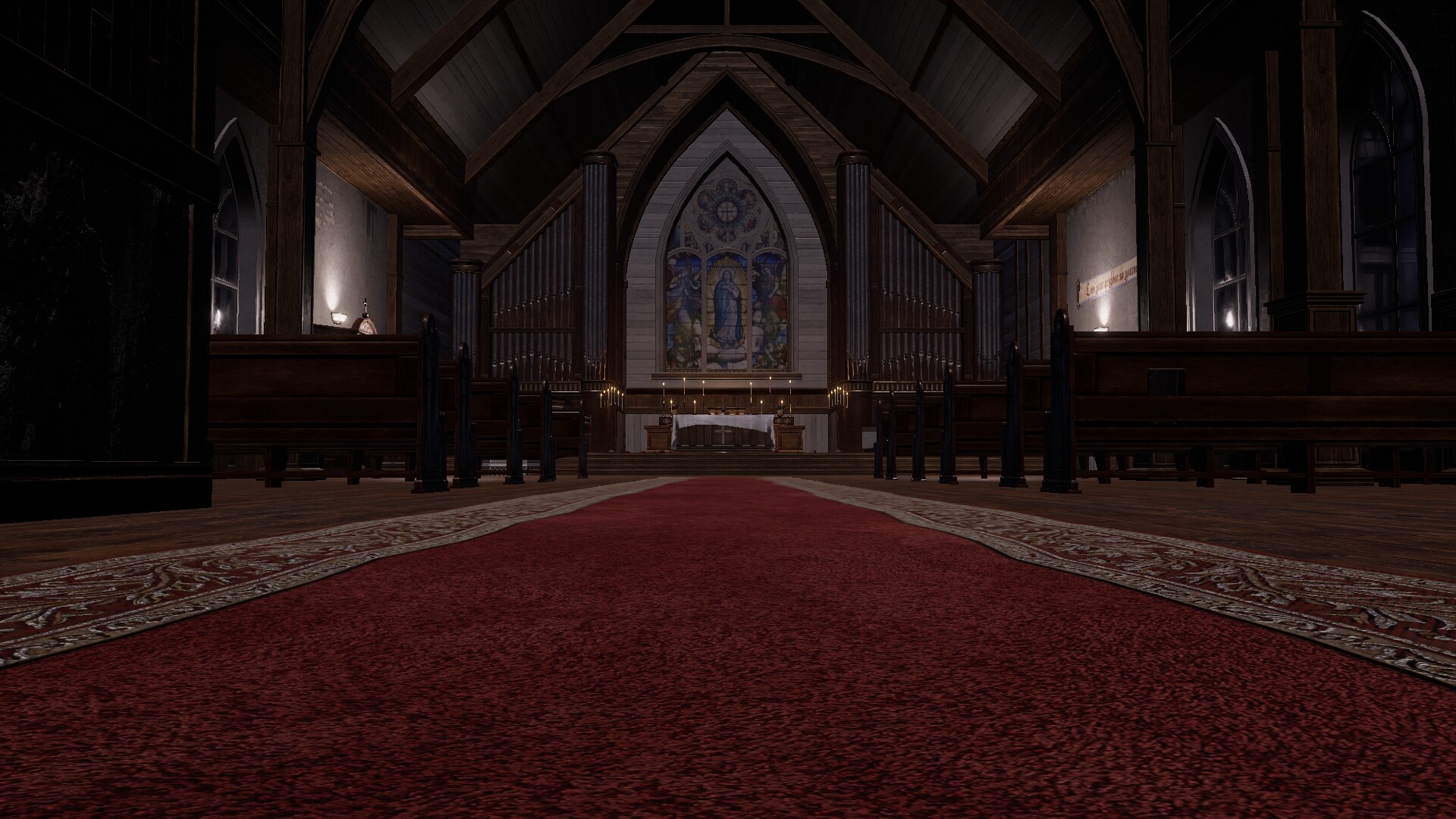
According to the official Steam description, you play as Jin, who follows a lead to a property cut off from the grid. The mansion’s rooms look as if their occupants vanished mid-routine; identities appear erased. When Jin restores power, secured systems come back online, hidden compartments unlock, and safes yield fragments of encrypted documents and suspicious transfer records. Those recovered manifests and hints build the trail toward the missing sister and toward a disturbing pattern of falsified identities and secret movements.
When and where
Trace of the Villa released on 28 May, 2026 and is listed on Steam for PC. You can view the store page here: Trace of the Villa on Steam.
Why the puzzle-as-evidence approach matters
Designing puzzles as pieces of evidence changes how an adventure reads. Rather than decorative gatekeeping, puzzles in Trace of the Villa appear to function as narrative logic: a powered terminal corroborates a ledger, a safe’s code matches a pattern found in manifests, and a missing photograph becomes itself a clue when compared against transfer records. That alignment between mechanical tasks and story inferences gives exploration an investigatory weight — you’re not just solving for progression, you’re assembling a case.
How you progress — clue reading, object logic, and story puzzles
The official text outlines a few concrete systems: restoring power reactivates secured systems; hidden compartments and safes yield fragments of encrypted documents and suspicious transfer records; personal belongings are left intact but identifiers are missing. Practically, that suggests progression will rely on:
- Clue reading: treating manifests, notes and recovered records as primary evidence rather than flavor text.
- Object logic: using physical context (where an item is found, what it’s stored with) to infer timelines and identities.
- Encrypted fragments as narrative puzzles: assembling partial documents and financial trails to make sense of arrivals and departures.
Because the Steam page notes “Playable without Timed Input,” the investigation-driven playstyle is likely paced for careful examination rather than reflex-based puzzle bursts.

Comparison: What Trace of the Villa shares with and how it differs from nearby puzzle-adventure titles
Below is an editorial comparison focused on genre, atmosphere, puzzle focus, exploration style, story tone and pacing — intended to help you decide fit rather than rank quality.
| Title | Primary genre / focus | Puzzle approach | Exploration / pace | Story tone |
|---|---|---|---|---|
| The Room | Adventure, Indie | Mechanical puzzle-boxes and tactile contraptions | Confined, room-by-room, puzzle-forward | Mysterious and intimate — object-focused enigma |
| The Room Two | Adventure, Indie | Expanded puzzle-box sequences, interlinked locations | Structured progression between scenes | Cryptic, atmospheric, escalating |
| Escape Simulator | Adventure / Simulation | Interactive, environmental escape-room puzzles (often physics/interaction heavy) | Room-based, often quicker problem loops; supports co-op | Bright and playful to tense, depending on room |
| Unpacking | Casual / Indie / Simulation | Block-fitting, item placement that reveals life-story clues | Slow, meditative; vignette-based progression | Reflective, domestic, emotionally suggestive |
| hack_me | Indie / Simulation | Hacking simulation — command and tool use to breach systems | Interface-driven, systemic problem solving rather than physical exploration | System-focused and procedural |
| Trace of the Villa | Action / Adventure / Indie | Puzzles as evidence: restoring systems, safes, manifests and encrypted fragments | Investigative mansion exploration with an emphasis on narrative assembly | Slow-burn, eerie, investigative |
Player scenarios — decide if it fits your playstyle
- If you prize environmental storytelling: You’ll enjoy reading rooms as records. The
YouTube discovery
For trailer and gameplay discovery, use YouTube search rather than relying on unverified embeds: Find Trace of the Villa trailer and gameplay searches on YouTube.
Leave a Reply