
Trace of the Villa — why quiet, unresolved dread matters more than cheap shocks
Trace of the Villa frames its horror in absence: rooms left mid-routine, records erased, identities gone — a slow, forensic unease that presses harder than sudden jump-scares. The game makes investigation itself the tension, asking players to assemble a timeline from manifests, encrypted fragments and locked compartments, and to sit with the uncertainty of what those absences imply.

Quick facts
| Title | Trace of the Villa |
|---|---|
| Steam AppID | 3483660 |
| Release date | 28 May, 2026 |
| Developer / Publisher | Steadyturtle Co., Ltd. |
| Genres | Action, Adventure, Indie |
| Notable Steam categories | Single-player; Color Alternatives; Custom Volume Controls; Playable without Timed Input; Subtitle Options; Family Sharing |
| Official premise | Jin searches a remote, decaying mansion for his missing sister and uncovers manifests, encrypted documents and evidence of falsified identities — a place where people appear to have been erased. |
Who is this for?
Trace of the Villa suits players who prefer atmospheric mystery adventure and slow-burn suspense over reflex-driven horror. If you value environmental storytelling, clue-driven exploration and narrative puzzle design — and you don’t need constant jump-scare pacing — this is aimed at you. The Steam categories (including Playable without Timed Input and Subtitle Options) reinforce that the experience leans toward methodical reading, listening and deduction rather than twitch reactions.
What the game actually is
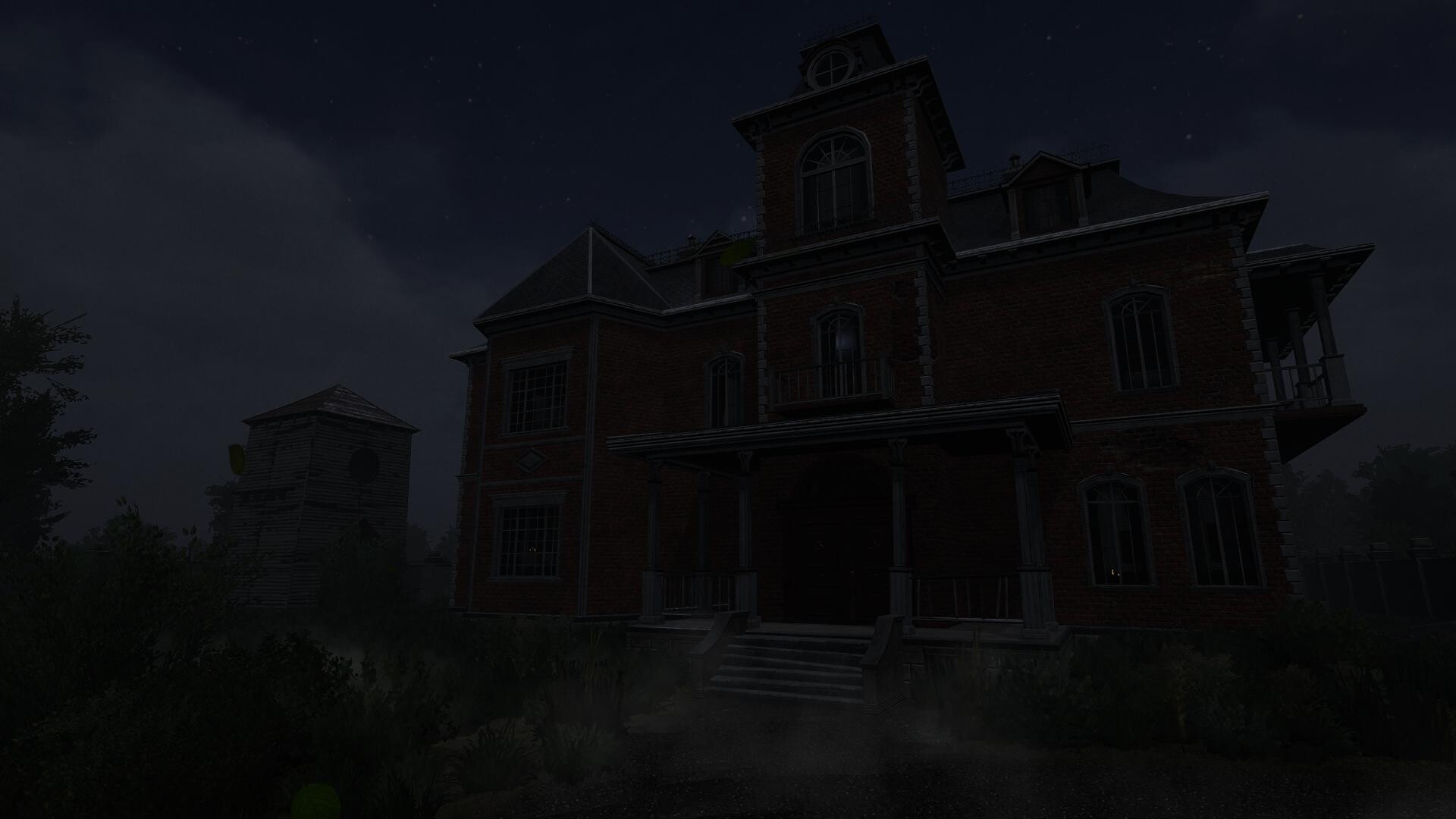
Officially described as Jin’s investigation into a remote mansion where signs of past occupancy remain but names and history have been stripped away, Trace of the Villa is a story-rich adventure that blends exploration with puzzle solving. As power is restored, secured systems, hidden compartments and safes reveal fragments of encrypted documents, suspicious transfers and falsified identities. The game foregrounds inference: you piece together motives and timelines from objects, manifests and corrupted records.
When and where
Trace of the Villa released on Steam on 28 May, 2026. It’s a PC Steam title published and developed by Steadyturtle Co., Ltd. The Steam store page lists Action / Adventure / Indie among its genres and the game is presented for single-player play with accessibility options such as subtitles and custom volume controls.
How you progress — the investigative loop
Progression is investigative rather than confrontational. Official details describe turning the estate’s systems back on, unlocking secured areas and opening safes that yield fragments of encrypted documents and manifests. That chain — restore, discover, decode — forms the core loop: restore systems and light; examine personal effects that deliberately lack names or photos; follow financial and movement traces that go nowhere; synthesize fragments into a working timeline. The result is a concentration on environmental detail and inference: objects and omissions scaffold story beats rather than scripted shocks.

Why unexplained spaces and identity erasure matter here
Trace of the Villa uses absence as a design device. Unexplained spaces — rooms that look occupied but contain no photographs or names — create cognitive friction: the brain tries to complete social details that the game refuses to provide. Identity erasure is an especially potent psychological tool because it undermines our default reading of environment as biography. That uncertainty breeds a slow, nagging dread more memorable than an orchestral hit; it keeps players inspecting, hypothesizing and staying on edge between discoveries.
Player scenarios — who should wishlist this
- Investigative players: You enjoy methodical evidence-gathering, decrypting narrative fragments and mapping timelines from objects and documents.
- Atmosphere-first players: You prefer tension built through silence, texture and implication rather than constant loud scares.
- Story-focused explorers: You’re drawn to mansion mysteries and story-rich adventures where puzzles are narrative devices and exploration reveals character through possessions and omissions.
- Players who prefer action-heavy horror: Expect a different emphasis here. The official description centers on investigation and discovery, not nonstop combat or twitch mechanics.
How it sits next to nearby titles
Below is a compact editorial comparison based on lawful criteria: genre, atmosphere, puzzle/exploration emphasis, story tone and pacing. This is comparative discovery, not endorsement.
| Title | Release | Genre / Focus | Atmosphere & Pacing | Puzzle / Exploration emphasis |
|---|---|---|---|---|
| Trace of the Villa | 28 May, 2026 | Action / Adventure / Indie — mansion mystery, investigative | Slow-burn, forensic unease; emphasis on absence and erasure | Clue-driven exploration, restoring systems, decoding fragments |
| Amnesia: The Dark Descent | 8 Sep, 2010 | Action / Adventure / Indie — first-person survival horror | Immersive and oppressive; player vulnerability and dread | Exploration and puzzle solving with survival tension |
| SOMA | 21 Sep, 2015 | Action / Adventure / Indie — sci-fi existential horror | Slow, contemplative, unsettling — questions identity and consciousness | Environmental puzzles tied to narrative and philosophical themes |
| Layers of Fear (2016) | 15 Feb, 2016 | Adventure / Indie — first-person psychological horror | Surreal, shifting environments; psychological unraveling | Exploration as storytelling with changing spaces |
| Poppy Playtime | 12 Oct, 2021 | Action / Adventure / Indie — horror puzzle adventure | High-tension encounters in an abandoned factory setting | Puzzle tools and set-piece encounters |
Where to find trailers and gameplay
If you want to see trailer or gameplay clips, search YouTube for Trace of the Villa trailer/gameplay — use this discovery path rather than assuming any video is an official publisher upload: Steam page
Leave a Reply