Trace of the Villa: why quiet tension and identity erasure matter more than jump scares
Trace of the Villa positions a slow-burn psychological investigation inside a remote, decaying mansion where the protagonist Jin follows fragmented leads about his missing sister. Released on 28 May, 2026 by Steadyturtle Co., Ltd., the game trades loud shocks for an atmosphere built on unexplained spaces, erased identities, and the steady unspooling of a deliberately suppressed past.

Who, what, when, where, why, and how
Who it is for
Players who prefer atmosphere-first mystery adventures—those who respond to environmental storytelling and the discomfort of things left unsaid—will find Trace of the Villa appealing. If you like probing quiet rooms for narrative clues, solving layered puzzles, and a measured sense of dread rather than frequent jump scares, this fits your profile.
What the game is
Trace of the Villa is an action/adventure indie on Steam developed and published by Steadyturtle Co., Ltd. The opening premise is straightforward and personal: “Jin has spent years searching for his missing sister, pursuing leads that took him to a remote, decaying mansion where he recovered manifests and hints that indicate his sister may still be alive, somewhere at the end of the trail he is about to follow.” The Steam listing emphasises exploration, locked systems, and evidence of falsified identities.
When and where
Available on Steam since 28 May, 2026. The store page lists single-player PC support and accessibility-friendly categories such as Color Alternatives, Custom Volume Controls, Playable without Timed Input, and Subtitle Options—details that matter for players who need pacing control or prefer to approach puzzles without reflex pressure.
Why the theme matters
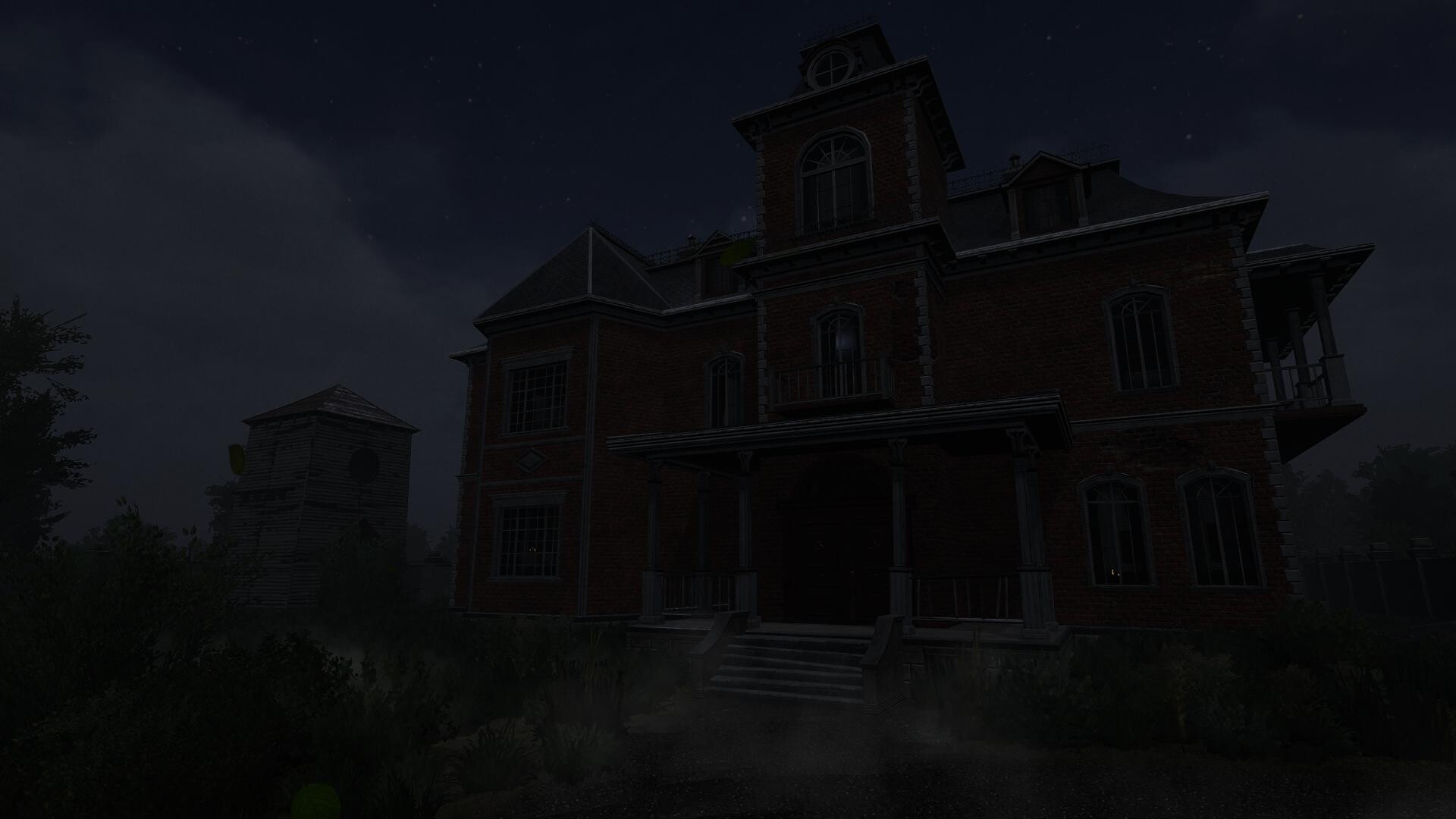
The listing makes a specific tonal choice: the mansion “feels less abandoned than erased.” That phrase captures the core tension—rooms set as if someone vanished mid-routine, personal belongings present but photographs and names removed. That sense of identity erasure turns familiar domestic spaces into uncanny sites of investigation. The dread is existential: not merely that something is wrong, but that the very record of who people were has been hollowed out. For psychological horror on PC, that is a more corrosive, sustained fear than the spike of a sudden scare.
How progression and discovery work
The Steam description explains how gameplay unfolds without promising mechanics beyond exploration and puzzle resolution: “When Jin restores power to the estate, the house begins to reveal what it was hiding. Secured systems come back online. Hidden compartments unlock. Safes yield fragments of encrypted documents and suspicious transfer records. Each puzzle solved uncovers another layer of a carefully concealed operation — financial trails that lead nowhere, falsified identities, and evidence suggesting people passed through this place under strict control.”
Expect clue-driven exploration and environmental puzzle design: restore systems, decrypt fragments, and follow paper trails that replace conventional exposition. The store’s categories—such as “Playable without Timed Input”—support a patient, methodical approach over twitch reactions.
Visuals from the Steam page

Compact facts: Trace of the Villa
| Title | Trace of the Villa |
|---|---|
| Steam AppID | 3483660 |
| Developer / Publisher | Steadyturtle Co., Ltd. |
| Release date | 28 May, 2026 |
| Genres | Action, Adventure, Indie |
| Key categories | Single-player; Color Alternatives; Custom Volume Controls; Playable without Timed Input; Subtitle Options; Family Sharing |
| Official short description | Jin has spent years searching for his missing sister, pursuing leads that took him to a remote, decaying mansion where he recovered manifests and hints that indicate his sister may still be alive, somewhere at the end of the trail he is about to follow. |
Who should wishlist this on Steam (player scenarios)
- Investigative explorers: You enjoy methodical puzzle progression and collecting fragmented evidence to reconstruct a timeline.
- Atmosphere-first horror fans: You value sustained unease—an emptiness and erasure that chills more than repeated jump-scares.
- Players who need pacing control: The Steam categories show options like “Playable without Timed Input,” useful if you prefer to solve puzzles at your own speed.
- Narrative minimalist players: You prefer implication and gaps in exposition; the mansion’s missing names and falsified records create interpretive space rather than explicit answers.
How Trace of the Villa compares to nearby psychological horror and mystery titles
Below is a compact editorial comparison focused on tone, puzzle emphasis, exploration, and pacing—not on sales or review counts.
| Title | Release | Atmosphere & Tone | Focus | Pacing |
|---|---|---|---|---|
| Trace of the Villa | 28 May, 2026 | Mansion mystery with identity erasure and muted, forensic dread. | Clue-driven exploration, restoring systems, uncovering falsified identities. | Slow-burn, investigative. |
| Amnesia: The Dark Descent | 8 Sep, 2010 | Immersive, existential horror—fright through helplessness and atmosphere. | Survival-leaning exploration and psychological immersion. | Unrelenting tension with periods of respite. |
| SOMA | 21 Sep, 2015 | Sci-fi psychological horror that questions consciousness and identity. | Story-first exploration with philosophical framing and environmental puzzles. | Measured, narrative-driven pacing. |
| Layers of Fear (2016) | 15 Feb, 2016 | Surreal, Victorian mansion horror focused on madness and atmosphere. | Environmental storytelling and shifting spaces. | Chapter-based, slow-burn escalation. |
| Poppy Playtime | 12 Oct, 2021 | Abandoned-factory horror with toy-based antagonists and puzzle tools. | Puzzle-adventure with more overt set pieces and scripted threat moments. | Faster, episodic moments of tension. |
Editorially: if Trace of the Villa’s central eerie device—identity erasure inside domestic spaces—appeals to you, it sits closer in spirit to SOMA and Layers of Fear than to more action-orientated horror-puzzle hybrids. Its marketing leans heavily on atmosphere and investigative pacing rather than scripted shock sequences.
YouTube discovery
For trailers and gameplay searches (verify official sources yourself), use this query: Steam page
Leave a Reply