
Trace of the Villa — a slow-burn, clue-driven mansion mystery
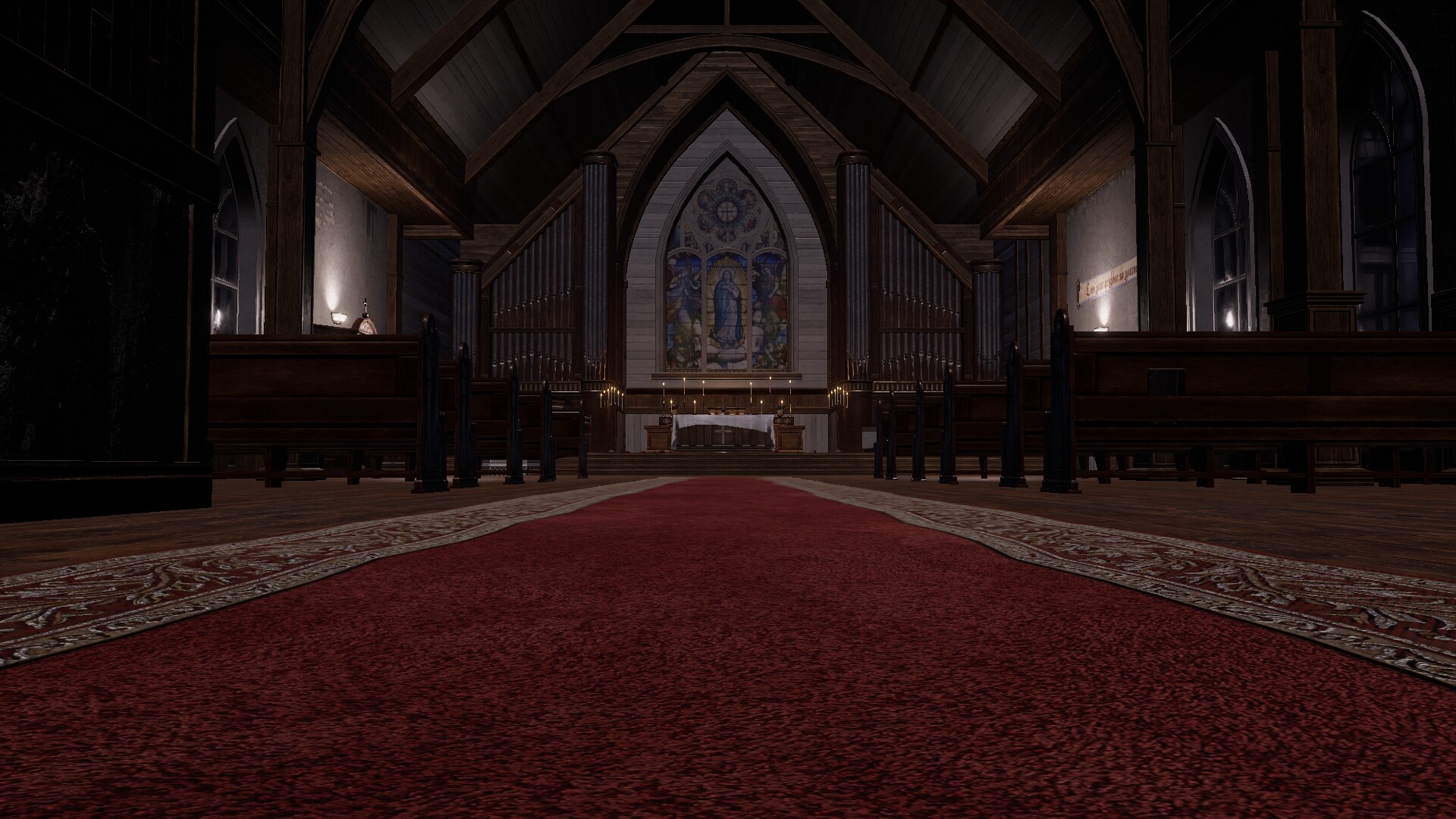
Trace of the Villa drops you into a decaying estate where Jin, a man hunting for his missing sister, uncovers manifests, encrypted fragments, and locked systems that slowly reveal a controlled, forgotten past. The game leans on environmental storytelling and object-based puzzles: restore power, coax secrets from safes and hidden compartments, and let clue reading steer how the narrative resolves.

Who, what, when, where, why, and how
Who it is for
This is for players who prioritize narrative puzzle design over twitch mechanics: people who enjoy reading clues in the environment, piecing together timelines from documents, and working through object logic puzzles that gate story beats. If you like atmospheric mystery adventures with a personal stake for the protagonist, this is aimed at you.
What the game is
Trace of the Villa is an action-adventure indie on Steam developed and published by Steadyturtle Co., Ltd. The official short description sets the premise: Jin’s investigation of a remote, deliberately forgotten mansion yields manifests and hints suggesting his sister may still be alive.
When and where
The game released on 28 May, 2026 and is available on Steam for PC. See the Steam page for system requirements and storefront details.
Why the theme matters
The mansion setting lets the designers make objects the language of the story: missing photographs, encrypted records, and falsified identities are not merely props but narrative junctions. The theme of erased identities and controlled movement elevates puzzle solutions into revelations about how the place operated — and about Jin’s pursuit.
How you progress — clue reading, object logic, and story puzzles
According to the official description, much of the game’s progression is revealed when Jin restores power and secured systems come back online. That wording implies three interlocking puzzle strands:
- Clue reading: manifests and fragments of encrypted documents serve as narrative signposts you must interpret to understand who belonged here and why identities were removed.
- Object logic: safes, hidden compartments, and devices react to items or information you discover — solving an object-based puzzle often unlocks the next story fragment.
- Story puzzles: the game links mechanical solutions to narrative payoff; solving a locked system doesn’t just open a door, it yields documents or timelines that reshape your understanding of the mansion’s purpose.
That structure makes Trace of the Villa a puzzle adventure that rewards careful observation, note-taking, and an appetite for slow-burn suspense rather than fast action.
Compact facts
| Title | Trace of the Villa |
|---|---|
| Steam AppID | 3483660 |
| Release Date | 28 May, 2026 |
| Developer | Steadyturtle Co., Ltd. |
| Publisher | Steadyturtle Co., Ltd. |
| Genres | Action, Adventure, Indie |
| Categories (selected) | Single-player; Color Alternatives; Custom Volume Controls; Playable without Timed Input; Subtitle Options; Family Sharing |
How Trace of the Villa compares — a practical table
Below are lawful editorial comparisons on puzzle focus, atmosphere, exploration style, pacing, and player fit. This is editorial discovery, not a claim of superiority or partnership.
| Title | Primary puzzle focus | Atmosphere / tone | Exploration style | Pacing | Player fit |
|---|---|---|---|---|---|
| Trace of the Villa | Document-led clues, safes, hidden compartments, power restoration | Unsettling, decaying mansion; erased identities | Environmental, investigative, narrative-linked | Slow-burn, methodical | Players who like narrative puzzle design and clue reading |
| The Room | Mechanical puzzle boxes and tactile object puzzles | Mysterious, intimate, focused on handcrafted devices | Single-room to small-chamber exploration | Puzzle-focused, often solitary sessions | Players who enjoy complex mechanical puzzles in contained spaces |
| Escape Simulator | Highly interactive escape-room puzzles, physics interaction | Varied tones — from playful to tense, depending on room | Room-by-room, interactive experimentation (solo or co-op) | Variable — can be fast or leisurely depending on room | Players who want tactile interactivity and optional co-op |
| Unpacking | Spatial, block-fitting puzzles tied to domestic storytelling | Calm, reflective, domestic | Room-by-room placement with narrative revealed through objects | Zen, relaxed pacing | Players who enjoy story through mundane objects and slow reflection |

Player scenarios — who should wishlist this
- Investigator-focused players: If you enjoy keeping notes and assembling timelines from documents and manifests, this aligns with that investigative loop.
- Atmosphere-first players: If you prefer slow-burn tension and environmental storytelling over combat or quick-time events, this is likely a fit (the Steam page highlights subtitle options and playable without timed input).
- Story puzzle fans: If you want puzzles that unlock narrative fragments (encrypted documents, transfer records, falsified identities) and value the payoff of revelations, consider wishlist-ing.
- Less suitable: If you prefer constant action, fast-paced combat, or multiplayer puzzles, Trace of the Villa’s narrative, single-player design and steady reveal may feel too methodical.
YouTube discovery
If you want to see trailer or gameplay footage, search for Trace of the Villa on YouTube: Search Trace of the Villa trailer/gameplay on YouTube. This link is a discovery path rather than a claim that a specific official video is linked here.
Final thoughts and how the puzzles shape the narrative
Trace of the Villa promises a puzzle loop where reading clues, understanding object logic, and restoring systems are the mechanisms for narrative discovery. The official descriptions emphasize recovered manifests, encrypted fragments, and the act of restoring power as the very tools that convert puzzles into story. For players who enjoy puzzle solutions that deliver information as well as access, this design philosophy tends to reward patient attention and careful inference.
Leave a Reply