
Trace of the Villa and the Case for Quiet, Room-by-Room Dread
Trace of the Villa trusts silence, layered rooms, and missing context to build tension rather than a parade of jump scares. Its slow, clue-driven investigation—a protagonist restoring a power grid to coax secrets out of an erased mansion—shows why environmental dread and unsettling room design matter more for psychological horror than sheer shock value.

What Trace of the Villa is
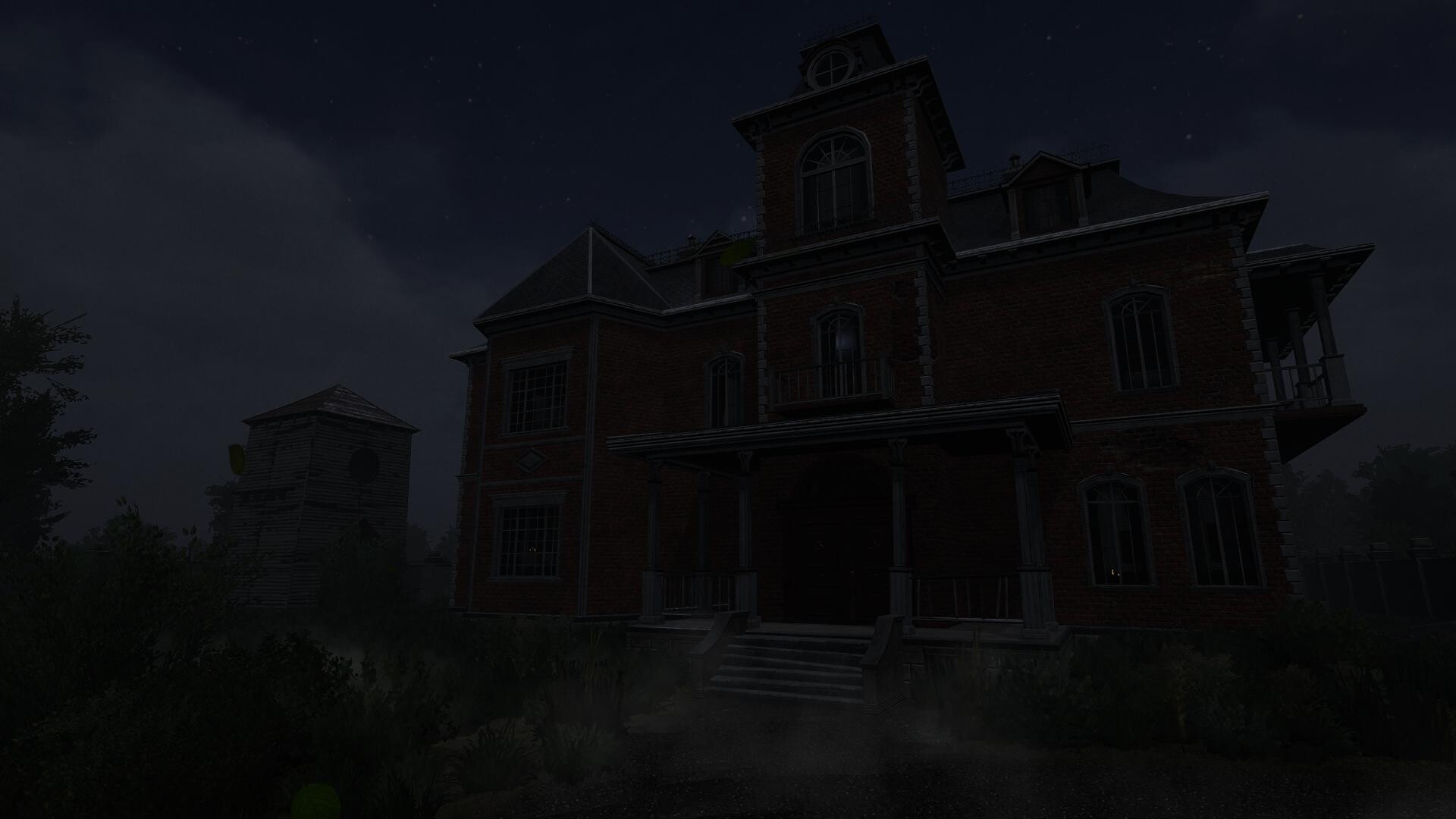
Trace of the Villa (Steam appid 3483660) is an atmospheric mystery adventure released on 28 May, 2026 by Steadyturtle Co., Ltd. Official Steam copy frames the experience around Jin, who has spent years searching for a missing sister and follows a lead to a remote, decaying mansion. Inside, rooms appear preserved mid-routine and the silence is described as “suffocating”—a setting built for psychological investigation and narrative puzzle design more than constant shocks.
Who this is for
If you prefer slow-burn suspense, environmental storytelling, and piecing together a timeline from physical evidence rather than reactive combat, Trace of the Villa is aimed at you. It suits players who like mansion mysteries, story-rich adventure pacing, and exploration that rewards attentive reading of interiors, logs, and restored systems.
When and where
Trace of the Villa is available on Steam and launched on 28 May, 2026. The title is listed under Action, Adventure, Indie and carries single-player and accessibility-style categories (Color Alternatives, Custom Volume Controls, Playable without Timed Input, Subtitle Options, Family Sharing).
Why environmental dread and silence matter here
The promotional text emphasises a mansion “less abandoned than erased”: furnished rooms with no photographs or names, locked doors hiding hastily secured secrets, and personal belongings left undisturbed. That removal of context—identities, histories, witnesses—creates a persistent uncertainty that nudges the player to invent meaning out of absence. In practice, dread grows from small, consistent inconsistencies in room set dressing and the slow return of systems, not from set-piece frights.
How you progress: reading clues and restoring systems
The Steam description explicitly outlines key progression beats: Jin restores power to the estate, which brings secured systems back online; hidden compartments unlock and safes yield fragments of encrypted documents and suspicious transfer records. Each puzzle solved exposes more of a concealed operation—falsified identities, financial trails, and arrivals without records—so gameplay centers on clue-driven exploration and piecing together a timeline from environmental and forensic evidence.
Compact facts — Trace of the Villa
| Title | Trace of the Villa |
|---|---|
| Steam AppID | 3483660 |
| Release date | 28 May, 2026 |
| Developer / Publisher | Steadyturtle Co., Ltd. |
| Genres | Action, Adventure, Indie |
| Notable categories | Single-player, Color Alternatives, Custom Volume Controls, Playable without Timed Input, Subtitle Options, Family Sharing |
How it compares — short editorial table
Below is a concise editorial comparison on atmosphere, puzzle focus, exploration style, and pacing against nearby titles that share a psychological or investigative bent.
| Title | Genre / Tone | Puzzle focus | Exploration style | Pacing / Story tone |
|---|---|---|---|---|
| Trace of the Villa | Action / Adventure / Indie — mansion mystery, environmental dread | Clue-driven: restore systems, open compartments, decrypt documents | Room-by-room forensic reading of spaces and objects | Slow-burn, investigative, gradually reveals a concealed operation |
| Amnesia: The Dark Descent (2010) | Action / Adventure / Indie — immersive survival horror | Physics and inventory puzzles mixed with sanity systems | First-person immersion focused on atmosphere and hiding | Claustrophobic and tension-heavy with a direct survival element |
| SOMA (2015) | Action / Adventure / Indie — sci-fi existential horror | Puzzles integrated with narrative and exploration systems | Level-based exploration of industrial/undersea environments | Slow, philosophical, and unsettling in a different (tech/noise) register |
| Layers of Fear (2016) | Adventure / Indie — psychological mansion horror | Environmental and light mechanical puzzles tied to narrative | Shifting, surreal rooms that change to reflect the story | Psychological, art-driven, with disorienting pace and presentation |
| Poppy Playtime (2021) | Action / Adventure / Indie — toy-factory horror with puzzles | Tool-based puzzles (e.g., GrabPack) and platform elements | Area-based exploration with scripted sequences | More episodic and shock-oriented, with higher frequency set-pieces |
Player scenarios — who should wishlist this
- Investigative players who enjoy building a timeline from documents, locked safes, and restored systems.
- Atmosphere-first players who prefer slow tension that emerges from objects and empty rooms rather than frequent jump scares.
- Fans of mansion mystery and environmental storytelling who want puzzle design tied to a narrative conspiracy.
Screenshots

YouTube discovery
If you want to see trailers or gameplay fragments, use this YouTube search path (results will vary by upload): Search Trace of the Villa trailers & gameplay on YouTube. This link is provided as a discovery route only; it does not assert that any specific video is an official trailer.
View Trace of the Villa on Steam
Referenced titles and trademarks belong to their respective owners. Comparisons above are editorial discovery only and not endorsements.
Leave a Reply